Write a comprehensive one-page article about "Andrej Karpathy".
Model: sonar-pro
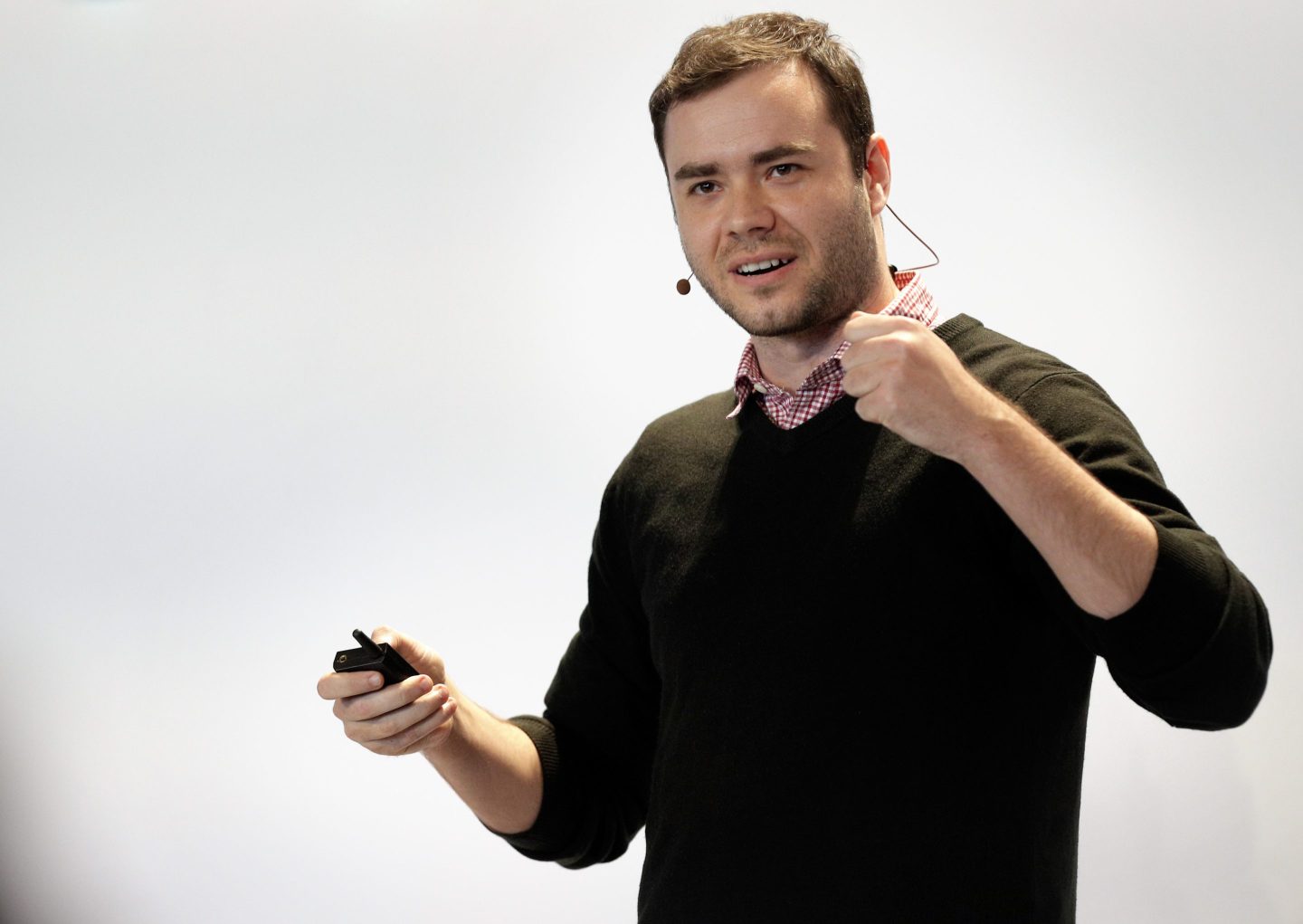
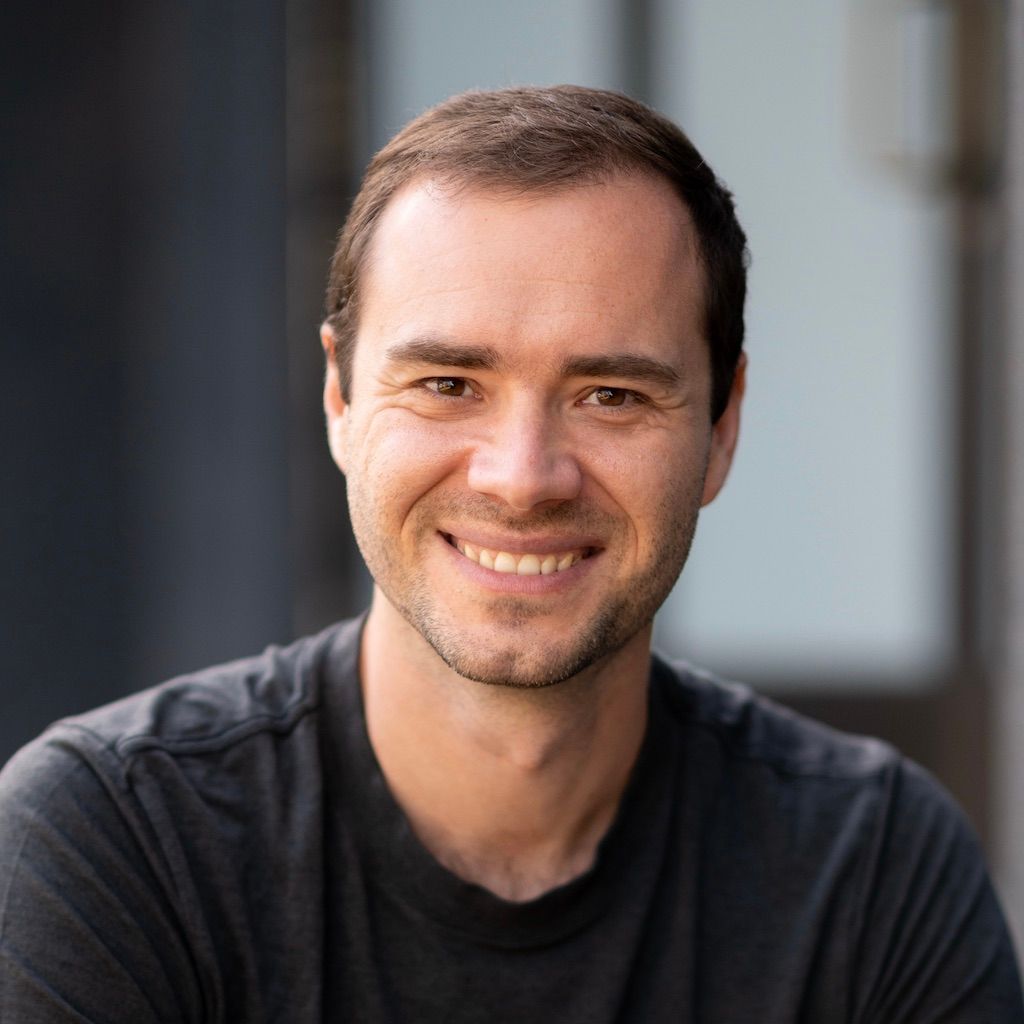
Andrej Karpathy is a renowned computer scientist, widely recognized for his pioneering work in artificial intelligence (AI), particularly in computer vision and deep learning. He is best known for his leadership role as Director of AI and Autopilot Vision at Tesla , as well as being a founding member of OpenAI . Karpathy has played a significant part in advancing AI systems that have shaped industries such as autonomous vehicles and AI-driven research, making his work pivotal to recent innovations in the field.
[b5luyt]
[913gnr]
[kgnf2p]
Main Content
Andrej Karpathy specializes in deep learning—a subset of machine learning focusing on artificial neural networks that imitate the human brain’s ability to learn from large datasets—and computer vision, which enables computers to interpret and understand images and videos. After earning a Bachelor’s degree in Computer Science and Physics from the University of Toronto and a Master’s from the University of British Columbia, Karpathy completed his PhD at Stanford University under Fei-Fei Li. His research particularly focused on the intersection of natural language processing and computer vision, exploring how machines can derive detailed descriptions from images (for example, identifying not just a cat in a photo, but describing its color, pose, and surroundings).
[b5luyt]
[913gnr]
[kgnf2p]
At Tesla, Karpathy led the AI team responsible for building and training neural networks powering Autopilot—Tesla’s driver-assistance and self-driving capabilities. These neural networks process vast amounts of real-world driving data to recognize objects, predict behavior, and make split-second decisions needed for safe vehicle autonomy. Under Karpathy’s guidance, Tesla developed advanced systems that allowed its cars to detect lane boundaries, respond to traffic lights, and avoid obstacles in complex urban environments.
[b5luyt]
[cm4i79]
Beyond his industry achievements, Karpathy's impact on education and open-source AI tools is profound. He was the primary instructor for Stanford's first deep learning course, CS231n: Convolutional Neural Networks for Visual Recognition, which grew rapidly to become one of the university’s largest classes. He also developed open-source libraries like ConvNetJS, making deep learning more accessible for students and practitioners worldwide.
[913gnr]
[kgnf2p]
His straightforward teaching style and public engagement (through blogs, talks, and YouTube channels) have inspired a new generation of AI researchers.
Karpathy's contributions extend to OpenAI, where he worked on generative models and reinforcement learning, further enabling breakthroughs in AI systems that can learn from trial and error and generate imaginative outputs. Karpathy has been publicly recognized, being named an Innovator Under 35 by MIT Technology Review in 2020.
[913gnr]
Influence on Technology Trends
As of the mid-2020s, Karpathy’s influence continues to resonate throughout the AI research and technology sectors. The adoption of deep learning in real-world applications—particularly autonomous vehicles and intelligent assistants—has accelerated, with Tesla, OpenAI, and academic collaborations standing out as leaders in the space.
[b5luyt]
[kgnf2p]
Karpathy’s former course at Stanford and his educational resources have become foundational training for students, professional engineers, and researchers alike.
[913gnr]
[kgnf2p]
Recent trends include the expansion of AI-driven decision-making in safety-critical contexts, continued improvements in neural network architectures, and increased open collaboration between academia and industry. The public release of advanced language and vision models has been shaped by initiatives Karpathy helped champion at OpenAI, creating ripple effects in both technology and policy.
Looking forward, experts anticipate that Karpathy's foundational work on deep learning and computer vision will continue to influence the evolution of fully autonomous vehicles, more capable AI assistants, and new forms of human-computer interaction. Scalable data-driven AI approaches, combined with increased computational power, are expected to drive future breakthroughs—pushing the boundaries of what intelligent systems can achieve responsibly and safely.
Conclusion
Andrej Karpathy stands as a transformative figure in modern artificial intelligence, blending research insight with practical impact on technologies shaping everyday life. As AI technologies evolve, his legacy in engineering both minds and machines will continue to inspire innovation across disciplines.