


Developmental Psychology
Defining and Describing Developmental Psychology
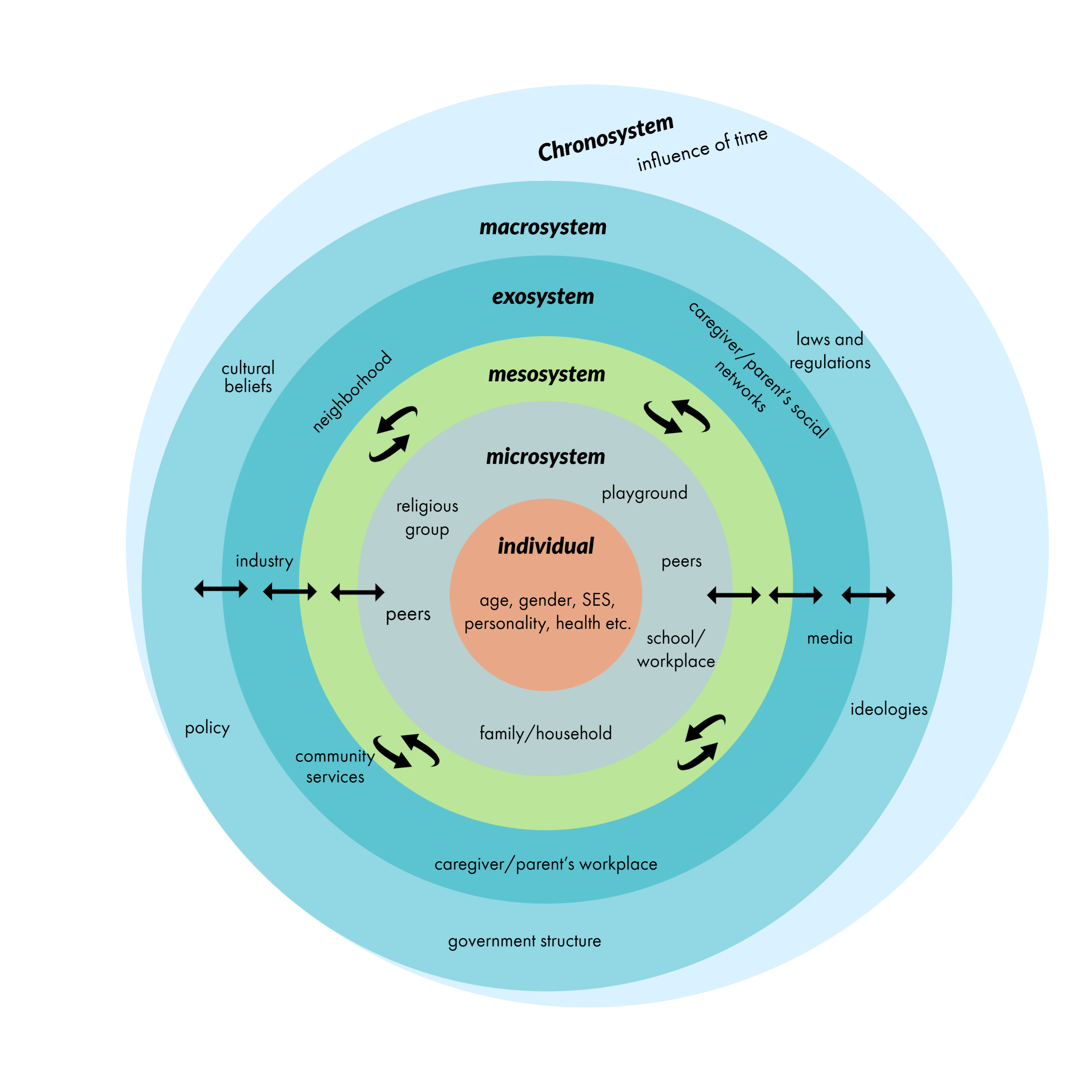
Developmental psychology is the scientific study of how humans change across the lifespan—cognitively, emotionally, socially, and physically—and how those change-patterns can be described, explained, and optimized.
[3xjz8y]
[ekoa6c]
For innovation work, the term applies whenever you are making decisions that depend on age-related or stage-related differences in how people perceive, learn, decide, relate to others, or use technology—for example, designing products for adolescents vs. older adults or constructing onboarding that fits novice vs. expert minds.
[3xjz8y]
[ekoa6c]
[gwu6yk]
It does not apply to every kind of “personal development” or “mindset coaching”; it is a research-based branch of psychology focused on systematic developmental change rather than generic self-improvement.
[ekoa6c]
[w0rlmn]
Innovation consultants care because developmental psychology offers evidence-backed models of how thinking, motivation, risk perception, and social behavior evolve over time, which in turn shape product adoption curves, organizational change dynamics, and how different cohorts of employees and customers respond to new technologies.
[ekoa6c]
[gwu6yk]
Disambiguation
Primary sense — the innovation-consulting sense
Tight definition
In innovation and organizational contexts, developmental psychology refers to the research-based body of theories and findings about how human cognition, emotion, motivation, and social behavior systematically change over the lifespan—and how those changes can be used to better design products, services, and workplaces.
[3xjz8y]
[ekoa6c]
[gwu6yk]
[w0rlmn]
Scope, usage, and boundaries
- Developmental psychology is a branch of psychology that “studies human development and changes across the lifespan, including physical, cognitive, social, intellectual, perceptual, personality, and emotional growth.” [gwu6yk] Its core goals are “to describe, explain, and optimize development.” [ekoa6c]
- The field historically focused on children, but has expanded to cover “adolescence, adulthood, and the aging process, covering the full spectrum of human existence,” [ekoa6c] and is now defined as “the branch of psychology concerned with the changes in cognitive, motivational, psychophysiological, and social functioning that occur throughout the human life span.” [w0rlmn]
- For innovation work, developmental psychology is most useful for:
- Designing education, onboarding, and training to match users’ “zone of proximal development” (what they can do with guidance vs. alone), a concept introduced by Lev Vygotsky. [gwu6yk]
- This sense is not:
Other senses
1. Academic discipline within psychology
Developmental psychology is also used in a more narrowly academic sense to mean the university subfield, including departments, journals, and degree programs specializing in lifespan development research.
[3xjz8y]
[w0rlmn]
[7p0r6t]
- Academic developmental psychologists often specialize in domains such as cognitive development (learning, memory, language), psychosocial development (identity, relationships), or physical development (brain maturation, motor skills), and publish in dedicated journals and conferences. [ekoa6c] [w0rlmn] [ldf9j6]
2. Professional career path
The term also denotes career roles (e.g., developmental psychologist) in settings such as research institutions, schools, healthcare, and policy.
[3xjz8y]
[ekoa6c]
[7p0r6t]
- Career overviews define developmental psychologists as professionals who “study how people grow, the developmental changes they experience, and how they adapt at different life stages,” including “intellectual development, emotional development, and psychosocial development, along with physical and personality growth.” [gwu6yk]
- They work in areas like early-childhood interventions, educational design, gerontology, and public policy, applying research to “help individuals reach their full potential and navigate the inevitable hurdles of life.” [ekoa6c]
- For innovation work, this is relevant when partnering with subject-matter experts (e.g., for edtech, eldercare tech, parenting apps, or workforce development platforms) or when hiring developmental psychologists onto product or research teams.
Etymology and Origin
- Its migration into business and innovation vocabulary is largely through the diffusion of developmental theories—e.g., stage models (Piaget, Erikson), social learning and socio-cultural theories (Bandura, Vygotsky)—into fields like education, organizational behavior, HR, and user-experience design, which then inform product and organizational innovation. [ekoa6c] [gwu6yk] [w0rlmn] [f8cv3y]
Adjacent Vocabulary
- Synonyms
- Human development – Broader, can include economic and social development of populations, but in psychology contexts refers to the same core subject as developmental psychology: “how human beings grow, develop, and adapt at different life stages.” [gwu6yk]
- Antonyms
- Adjacent terms
- Cognitive psychology – Overlaps when studying thinking and learning, but not specifically focused on developmental change.
- Educational psychology – Applies developmental findings to teaching, curriculum, and learning environments.
- Organizational behavior – Draws on developmental ideas when analyzing how employees at different career stages behave in organizations.
- User Research – Often implicitly uses developmental insights when segmenting users by age, digital literacy, or learning patterns.
- Behavioral Economics – Intersects on topics like changing risk preferences and decision-making across the lifespan.
- Learning theory – Many foundational learning theories (e.g., Vygotsky’s zone of proximal development) are core to developmental psychology and highly relevant to product onboarding and training design. [gwu6yk]
Usage in Practice
- A Grow Therapy article, citing the American Psychological Association, notes that “developmental psychology studies human development and changes across the lifespan, including physical, cognitive, social, intellectual, perceptual, personality, and emotional growth,” and adds that by understanding how we develop “we can understand our thoughts, feelings, and behaviors” and respond more compassionately to ourselves and others. [gwu6yk]
- A review of the field explains that developmental psychology “seeks to understand the biological, social, emotional, and cognitive processes that change (or remain the same) over time,” with the goal that “professionals can help individuals reach their full potential and navigate the inevitable hurdles of life.” [ekoa6c]
- Describing its practical scope, one overview states that developmental psychology “is the study of human growth and change throughout a lifetime,” examining everything “from motor skills in toddlers to neuroplasticity in the elderly” and including physical, cognitive, and psychosocial development. [ekoa6c] [ldf9j6]
- A definition from Florida Tech emphasizes that developmental psychology “explores how emotional, social, biological and cognitive processes change throughout our lives,” highlighting the holistic view of a person as they move from newborn to older adult. [3xjz8y]
- A research-starter article characterizes developmental psychology as focusing on “the intellectual, social, and emotional growth of children from infancy through adolescence,” while noting that later work extended this focus beyond childhood to the entire lifespan. [7p0r6t]
- A methodological overview explains that developmental psychology involves “comprehensive research across the human lifespan on growth, maturity, learning, and adaptation,” helping professionals understand how people “adapt at different life stages” and how development is shaped by both biological and environmental factors. [ekoa6c] [lmytn1]
Common Misuses
- Equating developmental psychology with generic “personal development” or self-help.Better term: personal development or self-improvement. Developmental psychology refers to a scientific discipline studying systematic changes across the lifespan, not any activity labeled “development.” [ekoa6c] [gwu6yk]
- Describing any age-based marketing segmentation as “developmental psychology.”Better term: demographic segmentation or generational marketing. Developmental psychology involves theory- and evidence-based accounts of how cognition, emotion, and social behavior change with development, not just grouping users by age brackets. [ekoa6c] [gwu6yk]
- Calling generic UX tweaks for older adults “developmental psychology-informed” without referencing actual theories or evidence.Better term: age-friendly design or accessibility improvements unless changes are explicitly grounded in documented developmental findings (e.g., age-related changes in working memory, processing speed, or sensory acuity). [ekoa6c] [gwu6yk] [ldf9j6]