Write a comprehensive one-page article about "Data Catalogs".
Model: sonar-pro
A data catalog is a centralized, searchable inventory of an organization’s data assets—serving as a critical tool that helps users discover, understand, and govern their data.
[012m2r]
[11n8dc]
[ykwm3q]
In today’s world of distributed and often complex data environments, data catalogs matter because they streamline access to trusted information, improving operational efficiency and empowering smarter, data-driven decisions.
[012m2r]
[11n8dc]
[ykwm3q]
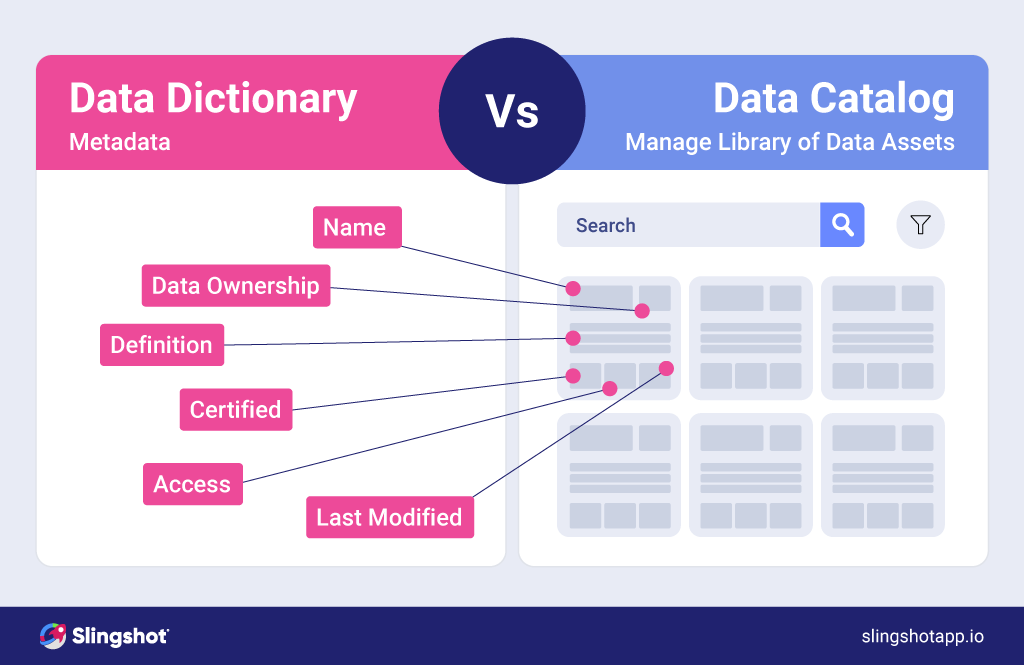
At its core, a data catalog works like a library catalog for data: it inventories all available datasets, tables, files, and related assets, providing metadata (information about data), data lineage (where data comes from and how it moves), quality indicators, business glossaries, and usage policies—all in a single, easy-to-navigate platform.
[11n8dc]
[3crn3x]
[82dq6t]
This enables a wide range of users such as data analysts, business leaders, and compliance officers to rapidly discover the data they need, understand its context, and use it appropriately.
[x2loep]
[012m2r]
[kv38cd]
Practical examples highlight the utility of data catalogs. In a retail company, for example, analytics teams can leverage a data catalog to find the most recent sales figures without sifting through multiple systems. Meanwhile, compliance teams can use catalogs to identify all datasets containing personal identifiable information (PII) and ensure proper security and governance policies are applied.
[3crn3x]
In banking, data catalogs are used for regulatory reporting—quickly locating relevant data for audits and ensuring policy compliance.
[3crn3x]
Benefits of data catalogs are substantial:
Faster data discovery: Users can swiftly find and access the right data, reducing time spent searching and repeating requests.
[x2loep]
[3crn3x]
[cqz9qe]
Improved data quality and trust: By centralizing metadata and lineage, organizations can ensure data is understood and used correctly, elevating trust and suitability for analytics.
[012m2r]
[11n8dc]
[ym0d67]
Enhanced governance and regulatory compliance: Data catalogs provide policy enforcement, access controls, and traceability, helping organizations comply with regulations such as GDPR and HIPAA.
[012m2r]
[3crn3x]
Operational efficiency: Catalogs minimize duplication by showing what data already exists, promoting data reuse and reducing repetitive work.
[11n8dc]
[44syg7]
[82dq6t]
However, challenges remain. Maintaining up-to-date metadata can require significant effort, especially as systems and datasets proliferate.
[44syg7]
[82dq6t]
Success further depends on data quality, buy-in from users, and seamless integration across diverse platforms to avoid silos or outdated catalog entries.
[11n8dc]
[82dq6t]
Current adoption of data catalogs is rapidly expanding. With increased focus on data governance, privacy, and analytics, businesses across industries are investing in catalog solutions.
[ykwm3q]
Leading technologies include Informatica, Alation, Collibra, and cloud-native catalogs such as AWS Glue, Microsoft Purview, and Google Cloud Data Catalog.
[11n8dc]
[ykwm3q]
Recent trends include the integration of AI-driven metadata automation—helping keep catalogs current and relevant—and the move toward real-time, self-service data access for business users.
[012m2r]
[ykwm3q]
Recent developments focus on automated data discovery, semantic search, and collaborative features, such as usage tracking and sharing curated datasets.
[82dq6t]
[ykwm3q]
[cqz9qe]
These capabilities make catalogs more user-friendly and embedded in daily workflows, supporting the democratisation of data access.
[012m2r]
[ykwm3q]
Looking forward, data catalogs are set to become more intelligent and more tightly woven into digital business platforms. AI-powered automation will further reduce manual maintenance, while tighter integration with governance frameworks will make data security and compliance seamless.
[ykwm3q]
As hybrid and multi-cloud environments proliferate, catalogs will be crucial in providing a unified, organization-wide view of data assets, driving agility and competitive advantage.
[012m2r]
[ykwm3q]
A robust data catalog is now indispensable for organizations striving to be data-driven. As technologies advance, data catalogs will play an even more central role in how enterprises manage, govern, and unlock the power of their most valuable asset—data—with unprecedented speed and trust.
[012m2r]
[ykwm3q]