Write a comprehensive one-page article about "Data Governance".
Model: sonar-pro
Data Governance: Managing Information as a Strategic Asset
Introduction
Data governance is a systematic framework that defines how organizations manage, protect, and use data throughout its entire lifecycle, from collection to retirement
[d9sg6n]
. It establishes clear policies, roles, responsibilities, and procedures to ensure data quality, security, and compliance across all business units. In today's data-driven world, effective data governance has become essential for organizations seeking to leverage information as a strategic asset while maintaining regulatory compliance and operational efficiency.
Main Content
At its core, data governance operates as both an organizational process and structure
[d9sg6n]
. It transforms how organizations collect, maintain, and use data by breaking down silos and fostering collaboration across departments. Rather than treating data as a compliance burden, governance frameworks help organizations recognize data as valuable intellectual property. This shift in perspective enables teams to work together toward common data standards, reducing redundancies and improving the consistency of information across systems
[3jz5yr]
[g9htvj]
.
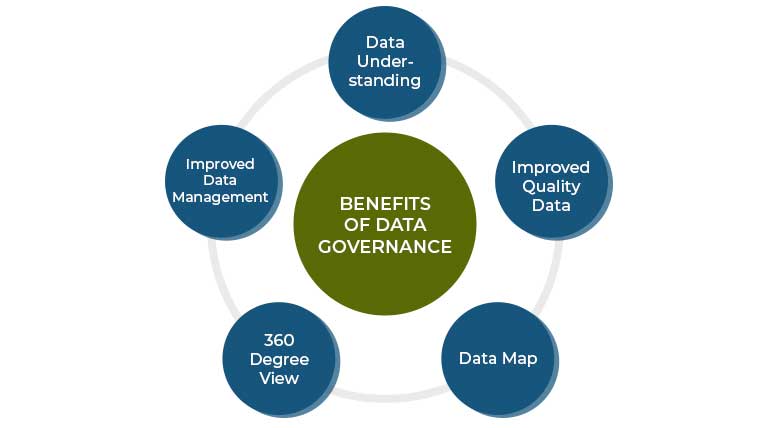
The practical implementation of data governance delivers tangible benefits that directly impact business operations. Organizations gain improved data accuracy through validation and cleansing processes, enhanced security via clear access protocols, and better regulatory compliance
[3jz5yr]
. By establishing consistent definitions and standards across departments, governance ensures that all stakeholders "speak the same data language," eliminating confusion and making analyses more reliable
[94dou3]
. For example, a healthcare organization might implement data governance to standardize patient information across multiple locations, ensuring accurate diagnoses and improving treatment outcomes. Educational agencies use governance frameworks to integrate student data from various sources, enabling longitudinal tracking that informs policy improvements beyond mere compliance reporting
[d9sg6n]
.
Data governance also delivers significant operational and financial advantages. Organizations experience increased efficiency through streamlined data processes, reduced costs by eliminating duplicate efforts, and faster access to information through standardized procedures
[98ao0l]
. Clear role definition prevents duplication of work, while centralized data management reduces the burden on individual departments
[g9htvj]
[uwro4w]
. These improvements create a foundation for better decision-making: when leaders have access to high-quality, trustworthy data, they can allocate resources more strategically and develop more effective policies. Additionally, data governance supports digital transformation initiatives and enables organizations to safely adopt emerging technologies like artificial intelligence without exposing sensitive information
[uwro4w]
.
Current State and Trends
Data governance has evolved from a niche concern into a mainstream organizational priority. As regulations like GDPR and HIPAA become increasingly stringent, organizations across industries—from healthcare to finance to education—recognize governance as essential. Modern data governance frameworks emphasize not just compliance but strategic alignment, ensuring that data practices support broader business objectives
[3jz5yr]
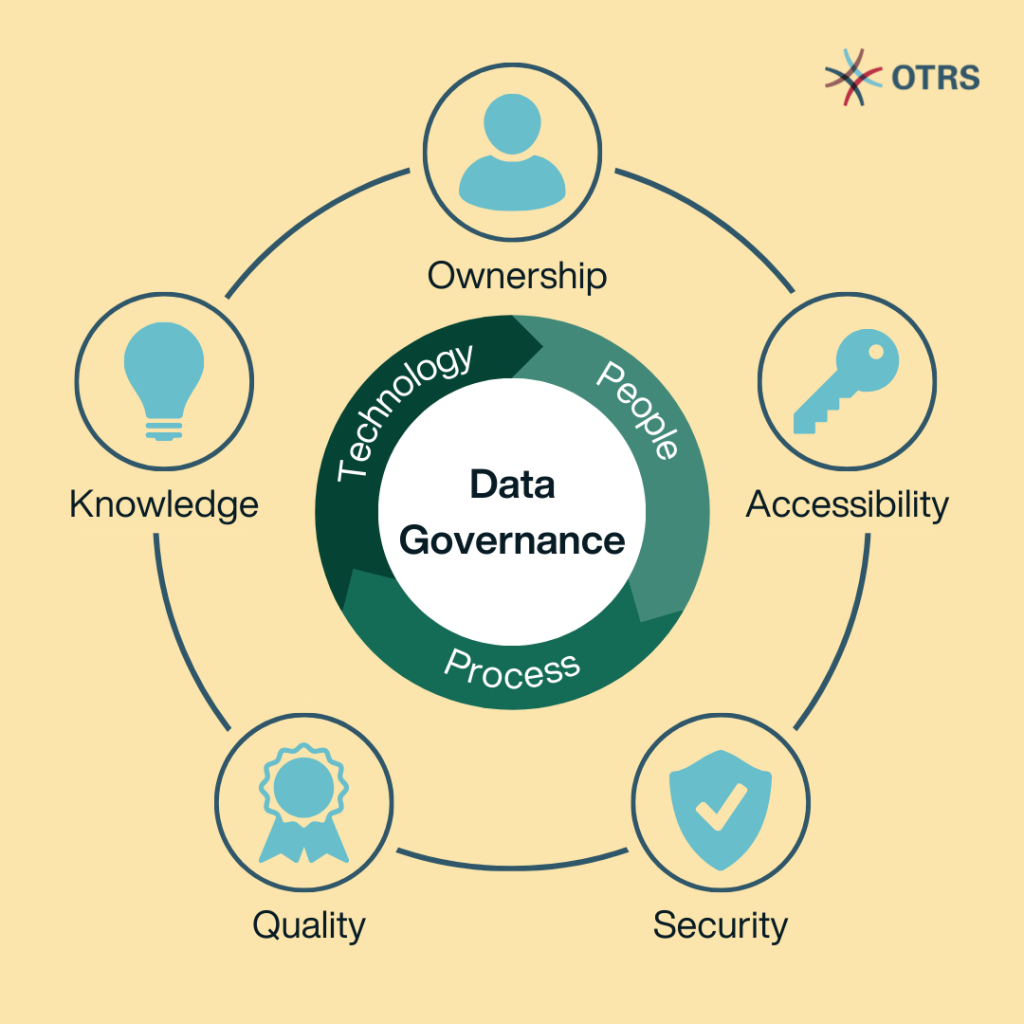
. Current adoption shows organizations investing in comprehensive governance programs that address data quality, security, transparency, and accessibility simultaneously. The trend is moving toward integrated approaches that connect data governance with emerging technologies, enabling organizations to implement governance at scale across cloud environments, multiple applications, and increasingly complex data ecosystems.
Future Outlook
Looking ahead, data governance will likely become even more critical as organizations grapple with exponential data growth and increasingly sophisticated security threats. The future will see governance frameworks evolving to address AI and machine learning challenges, ensuring that training data is reliable and that algorithmic outputs can be trusted. Organizations will need more automated governance solutions that can enforce policies dynamically across distributed systems, and governance will increasingly intersect with privacy, ethics, and sustainability considerations as stakeholders demand greater accountability.
Conclusion
Data governance transforms data management from a fragmented, compliance-driven activity into a strategic discipline that creates competitive advantage. As organizations continue navigating complex regulatory environments and harnessing data for innovation, robust governance frameworks will remain fundamental to success, enabling businesses to maximize data value while protecting organizational and stakeholder interests.



.jpeg)