Write a comprehensive one-page article about "Copyleft".
Model: sonar-pro
Copyleft: Freedom Through Reciprocity
Introduction
Copyleft is a licensing strategy that uses copyright law to ensure software and creative works remain free for anyone to use, modify, and distribute, while requiring derivative works to carry the same freedoms.
[5ilse6]
[micsw2]
Coined by Richard Stallman in the 1980s as a playful inversion of "copyright," it powers the open-source movement by preventing proprietary lock-in and fostering collaborative innovation.
[vmv95n]
[micsw2]
In an era of Big Tech dominance, copyleft matters because it democratizes access to knowledge, ensuring that improvements benefit everyone rather than a select few.
[5ilse6]
[czr533]
Explainer
At its core, copyleft grants the four essential freedoms outlined in the Free Software Definition: to run the program for any purpose, study and modify its source code, redistribute copies, and distribute modified versions.
[5ilse6]
Unlike permissive licenses (e.g., MIT), which allow re-licensing under restrictive terms, copyleft is "reciprocal" or "viral"—any combined or derivative work must be released under the same license when distributed.
[vmv95n]
[micsw2]
This is enforced through copyright: the original work is copyrighted, but distribution terms inseparably bundle the freedoms with the code.
[rhoxd0]
[micsw2]
A prime example is the GNU General Public License (GPL), the flagship copyleft license from the Free Software Foundation (FSF). The Linux kernel, while permissively licensed, often pairs with GPL-licensed modules; if a company modifies and ships GPL code (like in embedded devices), they must share their source code publicly.
[5ilse6]
[vmv95n]
Another is the AGPL, which extends copyleft to network use—perfect for web services like NextCloud, where modifications must be shared even if accessed remotely.
[vmv95n]
These apply beyond software to documents, art, and patents, as seen in copyleft fonts or scientific data repositories.
[5ilse6]
[n3phs0]
The benefits are profound: copyleft eliminates "wasteful" duplication of effort, accelerates innovation through community contributions, and rejects proprietary silos that stifle cooperation.
[qjvp0c]
[micsw2]
For enterprises, it builds robust, scrutinized codebases, as with the GNU Project's tools underpinning Unix-like systems. Challenges include the "viral" risk—linking proprietary code with strong copyleft like GPL can force entire projects open, scaring companies into avoiding it or using weaker "weak copyleft" like LGPL (which allows proprietary linking).
[vmv95n]
[cxlyg4]
Compliance demands vigilance, with audits revealing risks in supply chains.
Current State and Trends
Copyleft thrives in open-source ecosystems, with GPL-family licenses powering ~65% of FSF-endorsed free software.
[5ilse6]
Key players include the FSF, Linux Foundation, and projects like GNOME desktop environment (GPL) and WordPress plugins under GPL. Adoption spans enterprises via Red Hat's GPL-based distributions and cloud tools like TiDB (discussing copyleft risks).
[czr533]
Recent developments include GPL v3's anti-tivoization clauses (2007) and rising AGPL use in AI/ML amid SaaS growth, plus EU debates on open-sourcing AI models under copyleft to counter closed systems like those from OpenAI.
[vmv95n]
Future Outlook
As AI, IoT, and decentralized tech explode, copyleft could reshape industries by mandating openness in foundation models and hardware firmware, potentially birthing "copyleft commons" for climate data or biotech.
[n3phs0]
[czr533]
Expect hybrid licenses and court battles over "derivative works" in containerized environments, amplifying its role in antitrust fights against proprietary gatekeepers.
Conclusion
Copyleft flips copyright from restriction to liberation, ensuring shared progress through reciprocal freedom.
[micsw2]
As digital creation proliferates, embracing copyleft will empower communities to build a more equitable tech future.



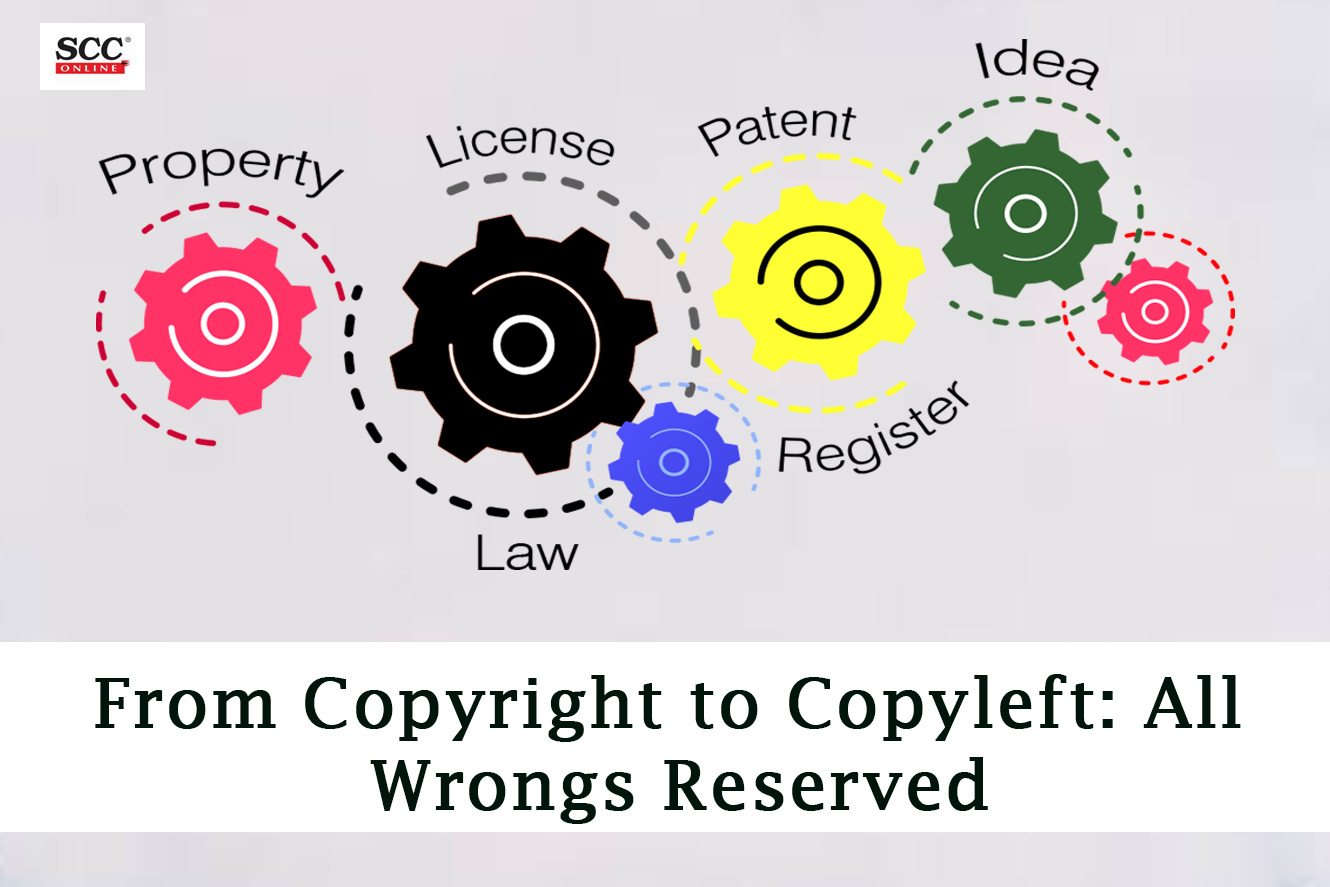 For enterprises, it builds robust, scrutinized codebases, as with the GNU Project's tools underpinning Unix-like systems. Challenges include the "viral" risk—linking proprietary code with strong copyleft like GPL can force entire projects open, scaring companies into avoiding it or using weaker "weak copyleft" like LGPL (which allows proprietary linking).
[vmv95n]
[cxlyg4]
Compliance demands vigilance, with audits revealing risks in supply chains.
For enterprises, it builds robust, scrutinized codebases, as with the GNU Project's tools underpinning Unix-like systems. Challenges include the "viral" risk—linking proprietary code with strong copyleft like GPL can force entire projects open, scaring companies into avoiding it or using weaker "weak copyleft" like LGPL (which allows proprietary linking).
[vmv95n]
[cxlyg4]
Compliance demands vigilance, with audits revealing risks in supply chains.