Chip Producers
Defining and Describing Chip Producers
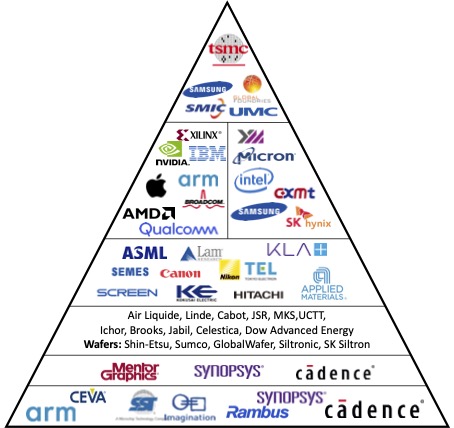
Chip producers are organizations that design and/or manufacture integrated circuits (chips) and sell them into downstream hardware, cloud, and device markets, forming the core supply base for most modern digital products and AI infrastructure.
In an innovation-consulting context, chip producers typically refers to semiconductor firms that either design chips (e.g., Nvidia, AMD, Qualcomm), manufacture them as foundries (e.g., TSMC), or do both as integrated device manufacturers (IDMs) such as Intel and Samsung.
[dd4700]
[mtfrf2]
[620vau]
The term applies when a company’s primary economic role is creating general-purpose or application-specific chips (CPUs, GPUs, ASICs, memories, RF, etc.) that other firms embed in products or cloud services.
[dd4700]
[h33vy1]
[620vau]
It does not usually cover generic electronics contract manufacturers (EMS/ODMs) that merely assemble boards around chips designed by others. Innovation consultants care about chip producers because these firms shape feasibility, performance, cost curves, and geopolitical risk for everything from AI startups to automotive and industrial IoT platforms.
[mtfrf2]
[620vau]
[z547af]
Disambiguation
Primary sense — the innovation-consulting sense
Chip producers (semiconductor firms) are companies that design and/or fabricate integrated circuits and sell them as components or platforms into broader technology ecosystems.
- This sense explicitly excludes generic electronics manufacturers and OEMs (like Foxconn or consumer device brands) whose main business is assembling finished products rather than producing semiconductor dies; those firms are customers or integrators of chip producers, not chip producers themselves. [620vau]
- Policymakers and consultants often treat chip producers as a strategic industry because regions compete to attract fabs and design centers, such as India’s government-backed “India Semiconductor Mission” aimed at building domestic chip design and manufacturing capacity. [h33vy1]
Other senses
1. “Chip producers” as AI-accelerator ecosystem players
In AI and cloud discussions, chip producers is sometimes used narrowly for firms providing high-performance compute (HPC) and AI accelerators (GPUs, TPUs, custom ASICs) that power training and inference.
- In this sense, the term points primarily to companies like Nvidia, AMD, and certain hyperscalers’ in-house silicon groups (e.g., custom accelerators manufactured by external foundries), because they define the performance frontier for AI workloads and influence model architecture choices. [dd4700] [mtfrf2] [z547af]
2. “Chip producers” in policy and industrial strategy
Policy documents and economic reports use chip producers broadly to mean all semiconductor manufacturers and designers relevant to national competitiveness, export controls, and supply-chain resilience.
- In this lens, consultants advise governments on how to attract fab investments, mitigate concentration risk in regions like Taiwan (home to TSMC, which controls more than half of global foundry capacity), and design incentives for domestic chip design ecosystems. [620vau]
Adjacent Vocabulary
- Synonyms
- Semiconductor manufacturers – Slightly narrower; emphasizes fabrication and may exclude purely fabless design houses that never operate their own fabs. [620vau]
- Antonyms
- Fabless-only customers / chip buyers – System integrators, OEMs, and cloud providers that consume chips but do not design or fabricate them at scale. [620vau]
- Legacy hardware assemblers – EMS/ODM firms whose core value is assembly and logistics, not semiconductor IP creation or wafer fabrication. [620vau]
- Adjacent terms
- Chip Architectures – Processor and accelerator design styles that chip producers implement in silicon.
- Chip Designers – Fabless firms and internal teams that create chip IP and collaborate with foundries.
- Fabrication Nodes – Process technologies (e.g., 3 nm, 5 nm) that determine performance and cost and are set by leading foundries. [620vau]
- Supply Chain Resilience – Risk management around geographic concentration and geopolitical exposure in chip production. [620vau] [z547af]
- AI Infrastructure – Stacks of hardware and software built atop chips from leading producers to deliver AI services. [dd4700] [mtfrf2] [z547af]
Usage in Practice
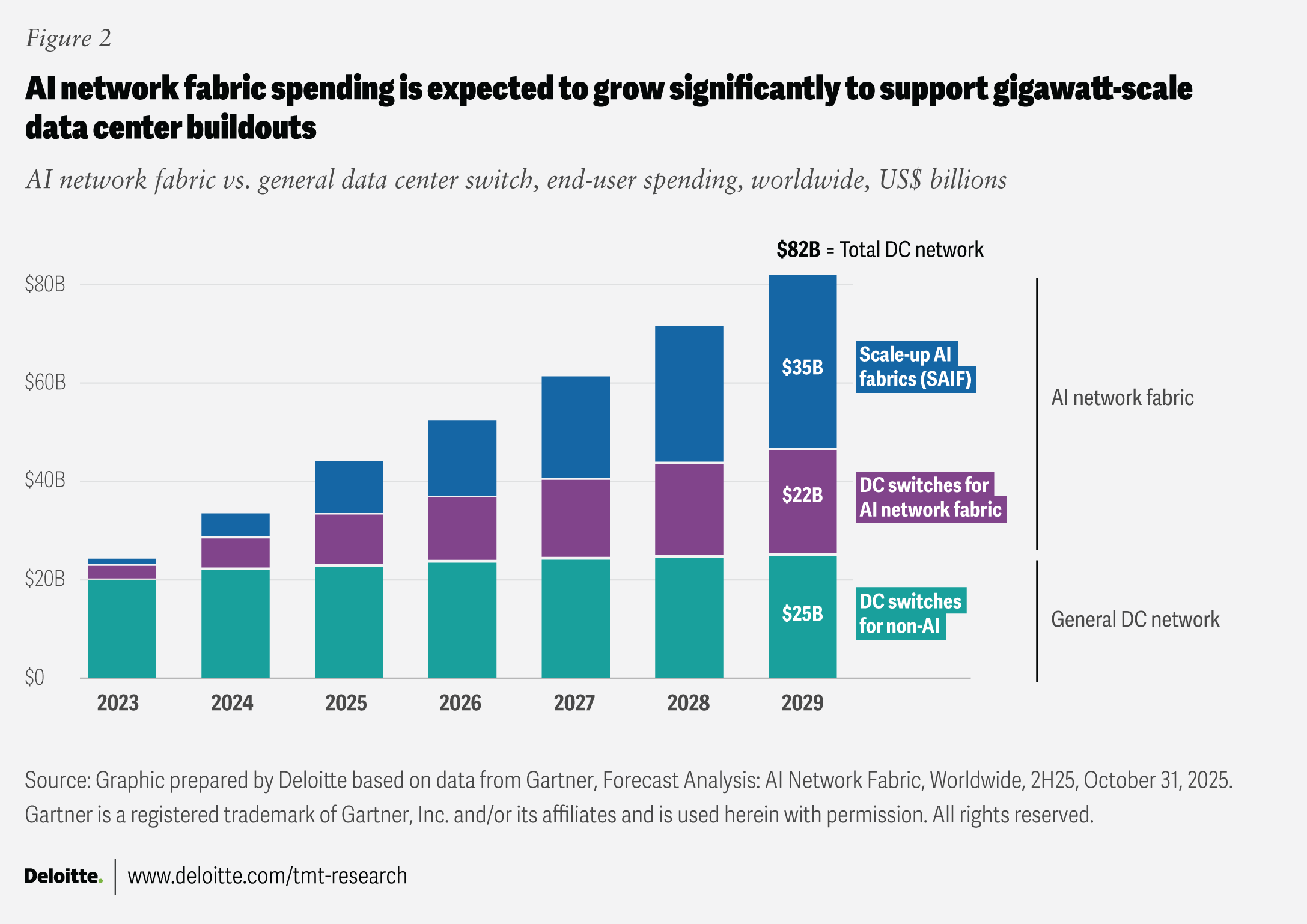
- Trade and consulting analysis often talk about “chip companies” or “chipmakers” when ranking economic power; for example, Deloitte notes that “as of mid-December 2025, the combined market capitalization of the top 10 global chip companies was US$9.5 trillion,” highlighting the outsized weight of chip producers in capital markets and innovation leverage. [z547af]
- Industry commentary emphasizes Nvidia’s role as a dominant chip producer: one analysis describes Nvidia as “the most valuable semiconductor company in the U.S.” and “the largest chipmaker by market capitalization,” underlining how a fabless design-centric producer can define an entire AI era. [dd4700] [mtfrf2]
- Global industry profiles describe how “Taiwan stands as the global leader in chip fabrication, home to the Taiwan Semiconductor Manufacturing Company (TSMC),” indicating how a single foundry-type chip producer can concentrate a critical manufacturing capability for worldwide startups and incumbents. [620vau]
- Regional innovation narratives highlight policy-driven ambitions: coverage of India’s strategy explains that its government launched a “$10.2 billion India Semiconductor Mission” to “incentivize chip manufacturing,” explicitly aiming to grow local chip producers and reduce dependence on foreign suppliers. [h33vy1]
Common Misuses
- Calling any electronics company a “chip producer”Many articles and pitches use “chip producer” to describe consumer-electronics brands or generic hardware assemblers; the more accurate term is OEM or electronics manufacturer, reserving “chip producer” for semiconductor design/fab firms. [620vau]
- Labeling cloud providers as chip producers when they only specify designsHyperscalers that specify custom chips but rely entirely on third-party foundries are sometimes called chip producers; in most innovation analyses, it is more precise to call them chip specifiers or systems companies with custom silicon, leaving “chip producer” for the entities actually operating the semiconductor business model and supply chain. [620vau] [z547af]
- Using “chip producer” when “AI infrastructure provider” is meantIn AI discourse, commentators occasionally conflate chip producers with cloud platforms that resell compute; in those cases, AI cloud provider or infrastructure provider is the more accurate term, while “chip producer” should be reserved for the upstream semiconductor firm like Nvidia or AMD. [dd4700] [mtfrf2] [z547af]
- Equating local PCB or module assembly with national chip productionPolicy narratives sometimes claim a country has strong “chip producers” when it has only board assembly or packaging operations; the better term here is electronics manufacturing or OSAT/packaging provider, not full-fledged chip producer with leading-edge design or fab capabilities. [620vau]