




software-development/developer-experience/devtools/bazel
(2025-11-20T14:02.541Z)
Perplexity Query
(2025-11-20T14:02
.541Z)
Question:
Write a comprehensive one-page article about "Bazel".
Model: sonar-pro
Bazel is an advanced open-source build and test system developed by Google, designed to automate the building, testing, and packaging of software projects—especially those with large codebases or complex dependencies. Its significance lies in its ability to handle the scale and complexity of modern software development, offering consistent and reproducible builds across multiple languages and platforms.
[xfsd6f]
[vl3akn]
Main Content
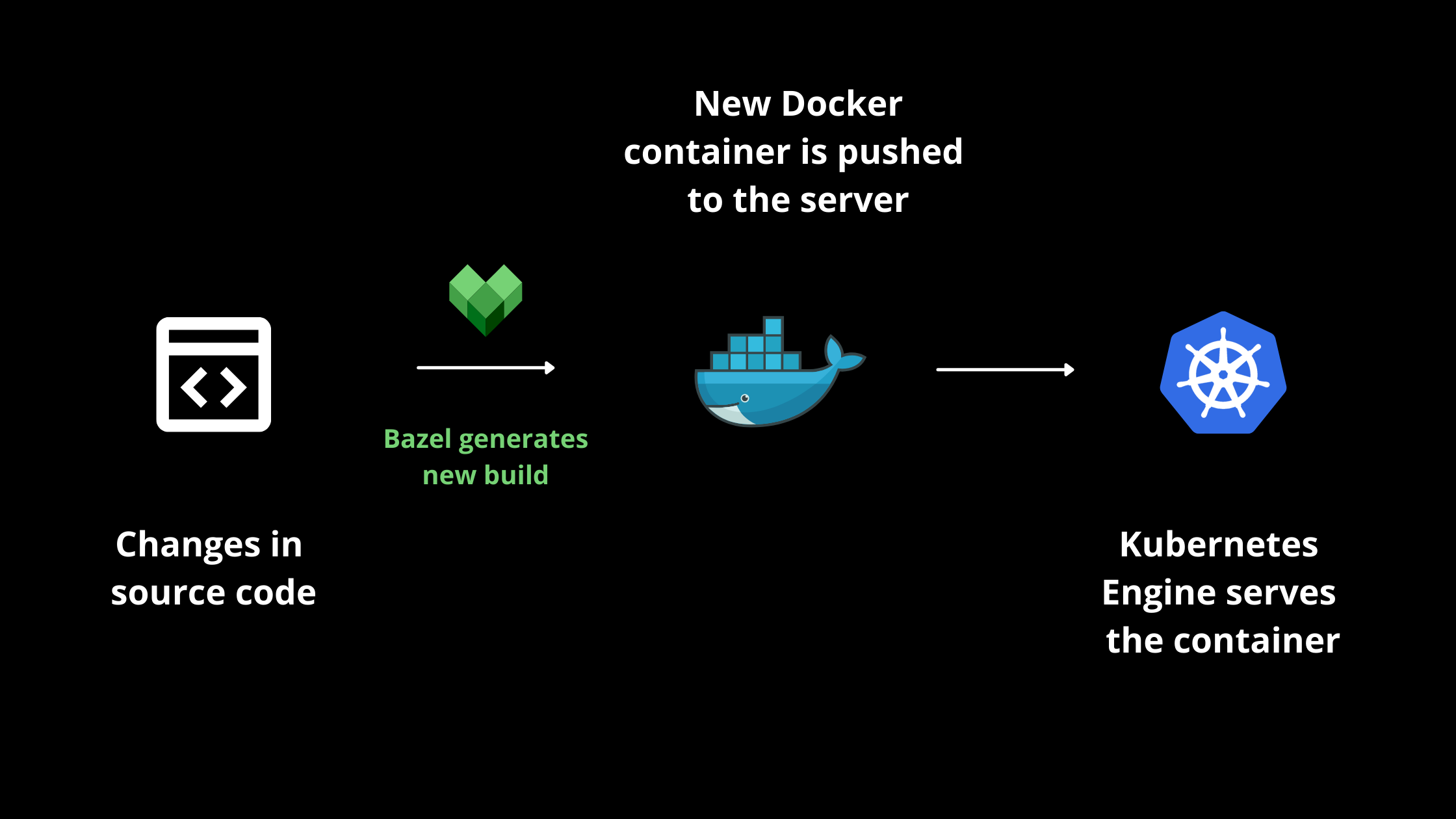
At its core, Bazel orchestrates the complete build process, from compiling source code to running automated tests and assembling final deliverables—much like earlier tools such as Make, Maven, or Gradle, but with higher scalability and performance.
[xfsd6f]
[vl3akn]
What sets Bazel apart is its declarative approach: developers describe build rules and dependencies using Starlark, a Python-like configuration language, enabling precise control and ensuring deterministic results.
[xfsd6f]
[db85yq]
For example, in a complex project with both C++ and Python components, Bazel can manage compilation and testing across languages within a single unified workflow. In practice, Google uses Bazel to manage gigantic monolithic repositories (“Monorepos”) that serve thousands of engineers.
[xfsd6f]
Other organizations use Bazel to facilitate cross-platform builds—for instance, configuring different toolchains for Linux and Windows, or targeting diverse device architectures in embedded systems.
[db85yq]
Practical Examples and Use Cases
- Enterprise Monorepos: Bazel enables tech giants like Google, Stripe, and Dropbox to support large codebases with many interdependent components without compromising speed or reliability. [xfsd6f]
Benefits
- High Performance and Scalability: Leveraging parallel execution and advanced caching, Bazel achieves rapid build and test cycles—even in massive repositories. [xfsd6f]
- Remote Caching and Execution: Bazel supports distributed builds across many machines or cloud infrastructure, accelerating feedback for large teams. [xfsd6f]
Challenges or Considerations
Despite its strengths, Bazel can have a steep learning curve. Mastering its configuration syntax, understanding dependency graphs, and integrating with legacy systems or smaller projects can require substantial upfront investment.
[xfsd6f]
[db85yq]
The strictness that enables reproducibility can also demand explicit definitions and up-front restructuring of existing build processes.
Current State and Trends
Bazel is increasingly adopted by large tech companies and growing open-source communities, thanks to its performance and flexibility benefits.
[xfsd6f]
[vl3akn]
Key players leveraging Bazel include Google, Stripe, LinkedIn, and Dropbox. The growing ecosystem is supported by community-driven extensions and a growing library of pre-built rules for various languages and frameworks.
[xfsd6f]
[vl3akn]
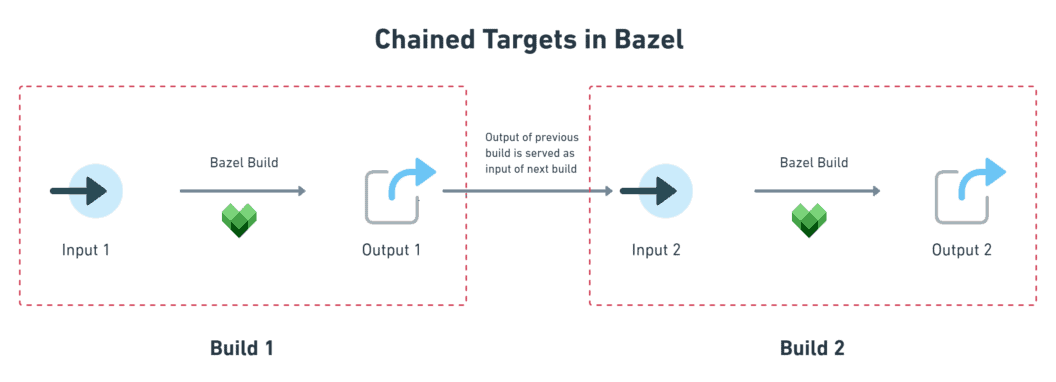
Recent developments focus on usability improvements, better integration with cloud-based CI/CD platforms, and richer support for additional programming languages and platforms. The trend toward monorepos and microservices architectures, which demand both scale and flexibility, furthers Bazel's adoption in complex development environments.
[xfsd6f]
[vl3akn]
Future Outlook
As software projects continue to grow in size and complexity, Bazel’s role is expected to expand—not just within big tech, but also in enterprises embracing automation, distributed development, and multi-platform delivery. Continued improvements in usability and integration, along with broader community participation, will likely cement Bazel as an industry-standard foundation for consistent and scalable software builds.
[xfsd6f]
[vl3akn]
[db85yq]
Conclusion
Bazel represents a transformative approach to building and testing software, offering scalable, reproducible, and efficient solutions for projects of any size. As development demands accelerate, Bazel will remain vital for teams seeking high-quality, reliable, and fast build automation.
Citations
[xfsd6f] 2025, Nov 13. How to use Bazel for build and testing automation - Graphite. Published: 2025-11-13 | Updated: 2025-11-13
[vl3akn] 2025, Oct 24. Bazel build system – Spacetime Knowledge Base - Aalyria. Updated: 2025-10-24
[db85yq] 2025, Nov 19. Bazel Build System for Embedded Projects - Interrupt - Memfault. Published: 2023-05-30 | Updated: 2025-11-19
[6]: 2025, Aug 08. . Published: 2025-07-09 | Updated: 2025-08-08