The Balanced Scorecard
The Balanced Scorecard
An enduring strategy classic that turned “measurement” from a backward-looking finance exercise into a whole-organization system for executing strategy across customers, processes, and learning and growth.
The Balanced Scorecard is primarily a management framework and strategy performance management tool introduced by Robert S. Kaplan and David P. Norton in the early 1990s, most visibly through their 1992 Harvard Business Review article “The Balanced Scorecard—Measures that Drive Performance” and the 1996 book The Balanced Scorecard: Translating Strategy into Action.
[mzh015]
[dylwq3]
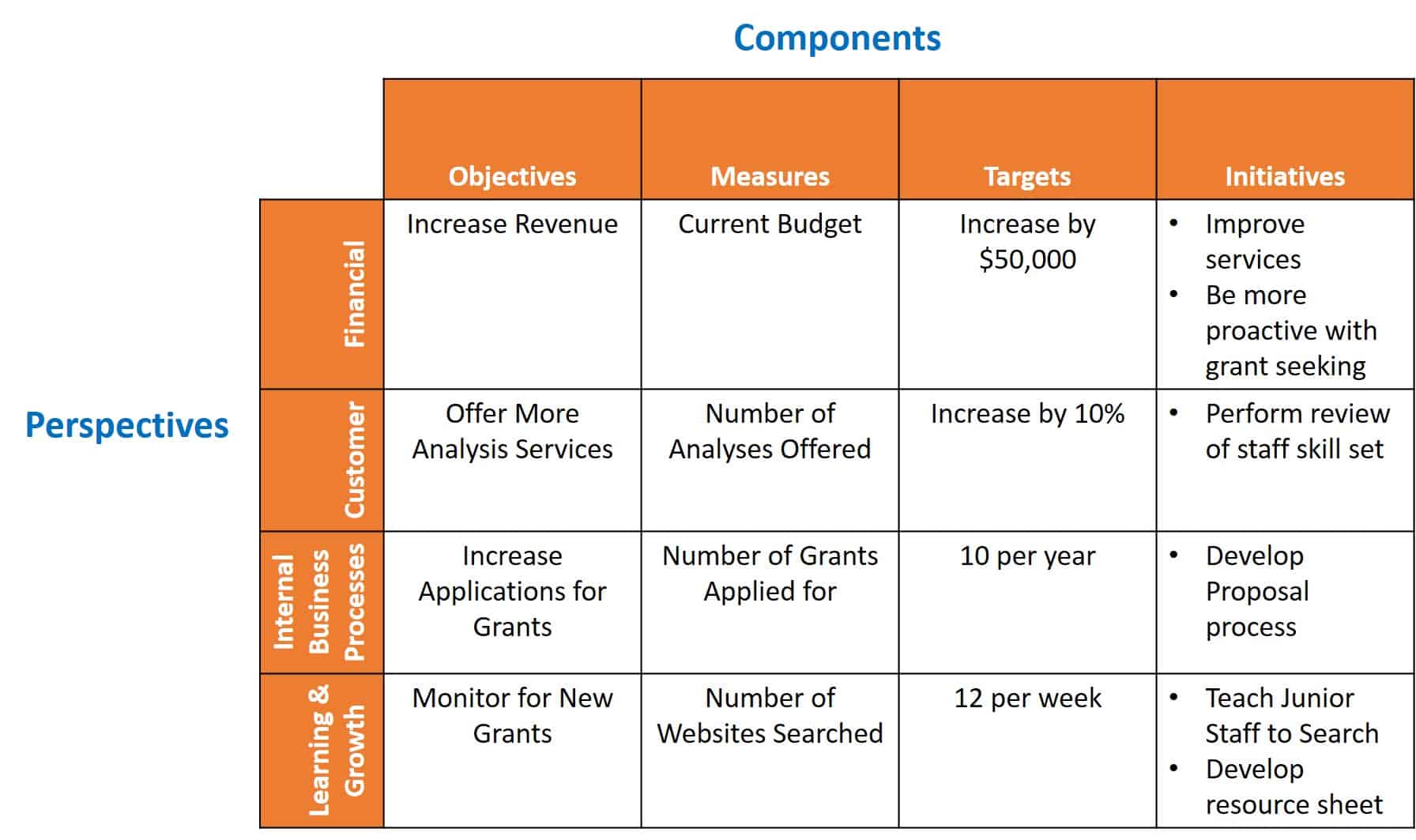
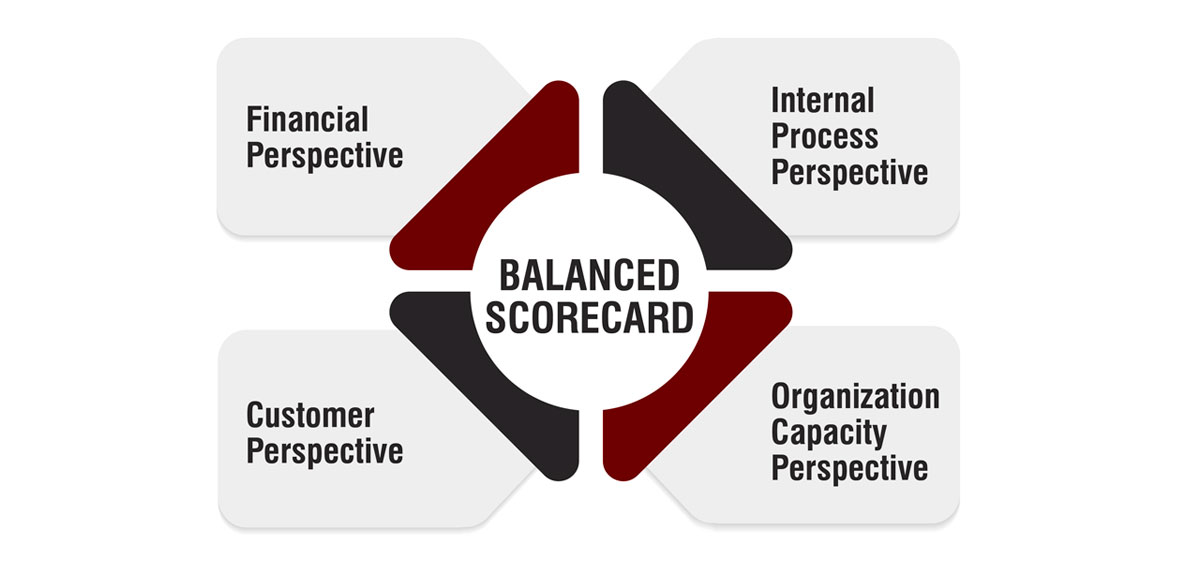
It expands performance measurement beyond traditional financial metrics to include customer, internal process, and learning-and-growth perspectives.
[48feky]
[n0f4we]
[dylwq3]
Innovation consultants return to it because it provides a simple but robust way to connect long-term strategy to concrete objectives, KPIs, and initiatives across an organization.
[48feky]
[n0f4we]
[dylwq3]
Type and Format
- Format details (Book):
- The core text is The Balanced Scorecard: Translating Strategy into Action by Robert S. Kaplan and David P. Norton, first published in 1996 by Harvard Business School Press. [dylwq3]
- Where it lives:
- Google Books — canonical Google Books entry for The Balanced Scorecard: Translating Strategy into Action by Kaplan and Norton (Harvard Business School Press). [dylwq3]
- Harvard Business Review – “The Balanced Scorecard—Measures that Drive Performance” — original 1992 article that launched the concept. [mzh015]
The People Behind It
- Robert S. Kaplan
- Kaplan has coauthored multiple books extending the Balanced Scorecard concept into strategy execution and organizational alignment. [dylwq3]
- David P. Norton
- Norton is a coauthor on the foundational Balanced Scorecard books that popularized the approach globally. [dylwq3]
Catalog of Notable Works
Key items here are the seminal article, the main book, and the core conceptual extensions of the Balanced Scorecard framework.
- “The Balanced Scorecard—Measures that Drive Performance” — 1992 — Robert S. Kaplan & David P. Norton — Harvard Business Review article that first defined the Balanced Scorecard as a set of measures across financial, customer, internal process, and learning and growth perspectives to “drive performance.” [mzh015] [dylwq3]
- The Balanced Scorecard: Translating Strategy into Action — 1996 — Robert S. Kaplan & David P. Norton — book that turns the initial measurement concept into a full strategy execution system for linking objectives, measures, targets, and initiatives. [dylwq3]
- Key arguments / elements in the book (chapter-level themes and core ideas):
Why It Matters to Innovators
- By requiring explicit cause-and-effect logic via strategy maps, it forces teams to articulate hypotheses like “if we invest in learning and growth (skills, tech, culture), we improve processes, which improves customer outcomes, which drives financial performance,” embedding a testable systems-thinking mental model. [48feky] [n0f4we]
- For corporate innovation leaders, it is a practical tool to integrate innovation metrics (e.g., pipeline health, experimentation rate, time-to-learn) into mainstream management dashboards, reducing the risk that innovation remains a side-show disconnected from core performance. [48feky] [5a4nfp] [dylwq3]
- Public-sector and non-profit innovators can adapt the framework’s Customer/Stakeholder and Organizational Capacity perspectives to track social impact and capability building rather than only financials, aligning with Impact Measurement and mission-driven strategy. [48feky] [dylwq3]
Best Starting Points
- “The Balanced Scorecard—Measures that Drive Performance” — Concise, accessible introduction to the core idea and the original four perspectives; ideal first read for understanding the concept’s intent. [mzh015] [dylwq3]
- Google Books – — The foundational book that shows how to build and use a Balanced Scorecard as a full strategy management system, including examples and implementation guidance. [dylwq3]
- Balanced Scorecard Basics – Balanced Scorecard Institute — Clear practitioner-oriented overview of what the Balanced Scorecard is, how it evolved, and its four perspectives, with simple language suitable for briefing stakeholders. [48feky]
- HBS Online – “What Is a Balanced Scorecard?” — A modern explainer that pairs the Balanced Scorecard with strategy maps and walks through a step-by-step process to create one, useful if you want an actionable how-to. [n0f4we]
- Mooncamp – Balanced Scorecard: The Complete Guide — Contemporary guide that situates Balanced Scorecard among other goal-setting systems (OKRs, KPIs) and offers examples relevant to digital-era organizations. [5a4nfp]
Adjacent Sources
- Robert Kaplan – The Strategy Focused Organization — Extends the Balanced Scorecard into a broader framework for strategy-focused enterprises, deepening the execution side built on the same logic. [dylwq3]
- Robert Kaplan – Activity Based Costing — Earlier performance measurement innovation by Kaplan that complements the Balanced Scorecard on the cost/financial insight side. [dylwq3]
- OKRs – Measure What Matters — An alternative but compatible goal-setting system; many organizations blend OKRs with a Balanced Scorecard strategy map. [5a4nfp] [hjx5w5]
- Blue Ocean Strategy — Another strategy framework emphasizing value innovation; Balanced Scorecard can be used to execute and monitor a blue ocean move. [dylwq3]
- Innovation Metrics — Concept node tying together how innovators design non-financial measures across the customer, process, and learning perspectives in a Balanced Scorecard. [48feky] [n0f4we] [5a4nfp]