


Vendor Management Systems
(2025-11-26T11:19.772Z)
Perplexity Query
(2025-11-26T11:19
.772Z)
Question:
Write a comprehensive one-page article about "Vendor Management Systems".
Model: sonar-pro
A Vendor Management System (VMS) is a comprehensive software solution that enables organizations to efficiently oversee and optimize their interactions with external vendors and service providers.
[y894kq]
[g47izv]
[ww607m]
As companies expand and diversify their vendor networks, the complexity of managing information, contracts, compliance, risk, and performance increases, making VMS essential for maintaining control and driving strategic value.
[y894kq]
Main Content
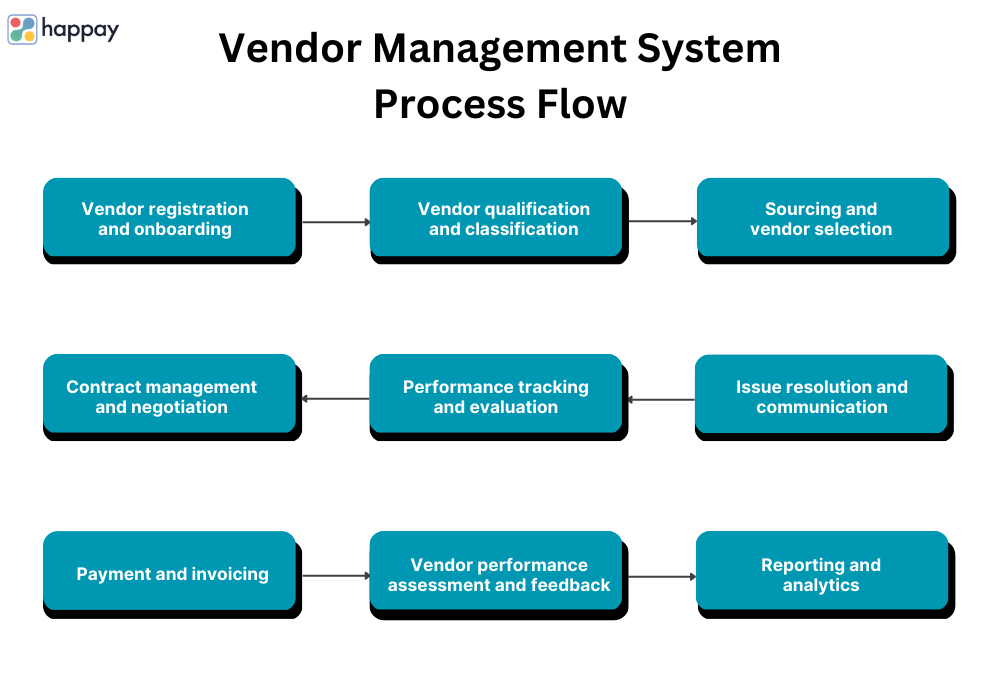
Modern Vendor Management Systems centralize all vendor-related information—such as contracts, certifications, performance metrics, and communications—within a single digital platform.
[y894kq]
[w5d391]
This centralization brings consistency to every stage of the vendor lifecycle, from selection and onboarding to ongoing evaluation and payment processing.
[ww607m]
A practical example of VMS deployment is in large manufacturing organizations that work with hundreds of suppliers worldwide. Here, a VMS automates the onboarding process, verifies certifications for compliance, tracks contract renewals, and monitors supplier performance in real time. This allows procurement teams to compare vendors, negotiate better terms, and respond quickly to underperforming suppliers or emerging risks.
[w5d391]
In the staffing industry, companies use VMS to source, evaluate, and manage contingent workers, streamlining the hiring process and ensuring compliance with labor regulations.
[zjaj60]
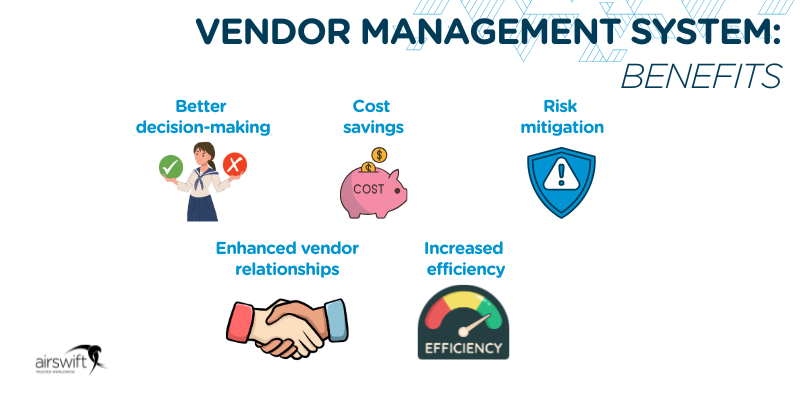
The benefits of implementing a VMS are numerous:
- Enhanced data-driven decision making: Real-time analytics and comprehensive reporting help organizations monitor vendor performance and uncover trends for continual improvement. [w5d391]
However, organizations considering VMS adoption should also weigh certain challenges:
- Change management: Transitioning to an automated system requires organizational buy-in and training.
- Integration complexity: Aligning VMS with existing ERPs or procurement systems may demand technical investment.
Current State and Trends
Today, VMS adoption is widespread across industries such as manufacturing, healthcare, finance, and IT services.
[ww607m]
Leading VMS providers include SAP Fieldglass, Coupa, Oracle, Workday, and NetSuite.
[zjaj60]
[ww607m]
These platforms offer advanced features such as AI-powered analytics, mobile access, and integration with other business systems.
Recent trends include the use of artificial intelligence for predictive analytics, enhanced compliance monitoring (especially for global operations), and increased focus on total workforce management—integrating both vendors and contingent labor into a unified dashboard.
[zjaj60]
Companies are leveraging VMS to drive innovation in supplier collaboration and sustainability initiatives by monitoring environmental and social compliance metrics.
[y894kq]
Future Outlook
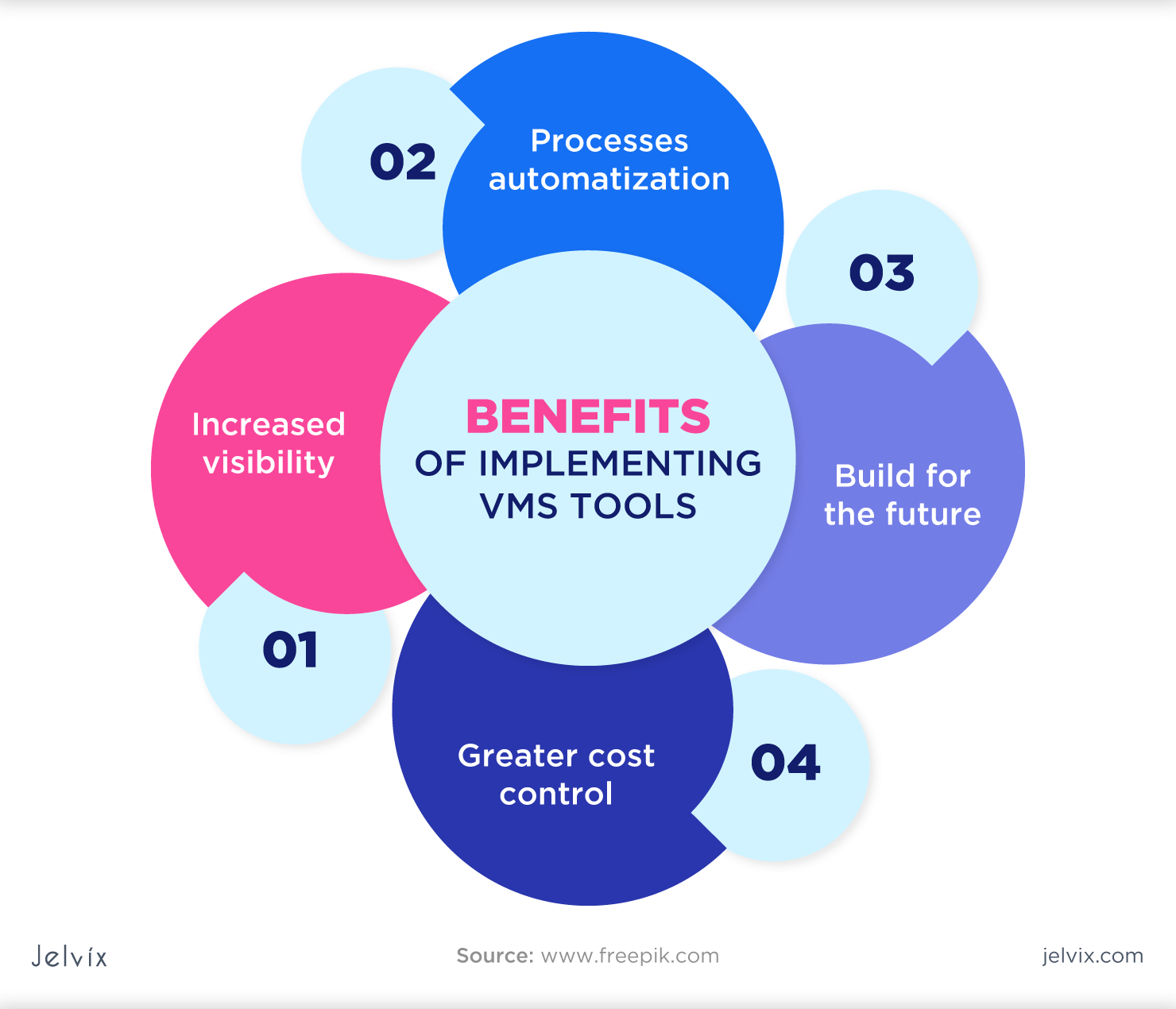
The future of Vendor Management Systems will likely feature deeper automation, smarter data analytics for risk prediction, and greater integration with enterprise resource planning (ERP) platforms. As global supply chains become increasingly complex and regulatory scrutiny intensifies, VMS will play a pivotal role in ensuring operational resilience and competitive agility. The technology’s expanding scope—potentially encompassing artificial intelligence-driven procurement and real-time compliance verification—could dramatically reshape how businesses manage their vendor ecosystems.
[y894kq]
[zjaj60]
Conclusion
Vendor Management Systems have become essential tools for efficient, transparent, and strategic vendor oversight and relationships. Looking ahead, continued innovation in VMS will further empower organizations to unlock greater value and resilience from their ever-evolving vendor networks.
Citations
[y894kq] 2025, Nov 25. What Is a Vendor Management System (VMS) & Why Do You Need It?. Published: 2024-10-24 | Updated: 2025-11-25
[g47izv] 2025, Nov 25. Vendor Management System: Definition & Business Benefits | EnKash. Published: 2025-07-04 | Updated: 2025-11-25
[ww607m] 2025, Nov 26. What Is a Vendor Management System? - NetSuite. Published: 2025-09-07 | Updated: 2025-11-26
[zjaj60] 2025, Nov 26. What is a vendor management system (VMS)? - SAP. Published: 2025-11-25 | Updated: 2025-11-26
[w5d391] 2025, Oct 27. Understanding VMS: A Guide to Vendor Management Systems. Published: 2024-01-09 | Updated: 2025-10-27
[6]: 2025, Nov 26. What Is a Vendor Management System (VMS)? | Benefits, Features .... Published: 2021-04-01 | Updated: 2025-11-26
[7s4qb9] 2022, Dec 01. 7 Benefits of a Vendor Management System - Bizagi. Published: 2022-12-01
[8]: 2025, Oct 11. 9 Benefits Of Vendor Management Software Vs Manual Tracking. Published: 2020-05-28 | Updated: 2025-10-11
[9]: 2025, Nov 26. What is vendor management? | Definition & Process - SAP Taulia. Published: 2025-11-10 | Updated: 2025-11-26