


Urban Air Mobility
(2025-11-16T09:17.471Z)
Perplexity Query
(2025-11-16T09:17
.471Z)
Question:
Write a comprehensive one-page article about "Urban Air Mobility".
Model: sonar-pro
Urban Air Mobility (UAM) is an emerging transportation system using electric vertical takeoff and landing (eVTOL) aircraft and drones to move passengers and cargo within cities efficiently and sustainably[1][2][4]. As urban populations soar and ground transportation faces bottlenecks, UAM offers a revolutionary solution to urban congestion and limited mobility, promising faster, cleaner movement in dense metropolitan areas[3][6].
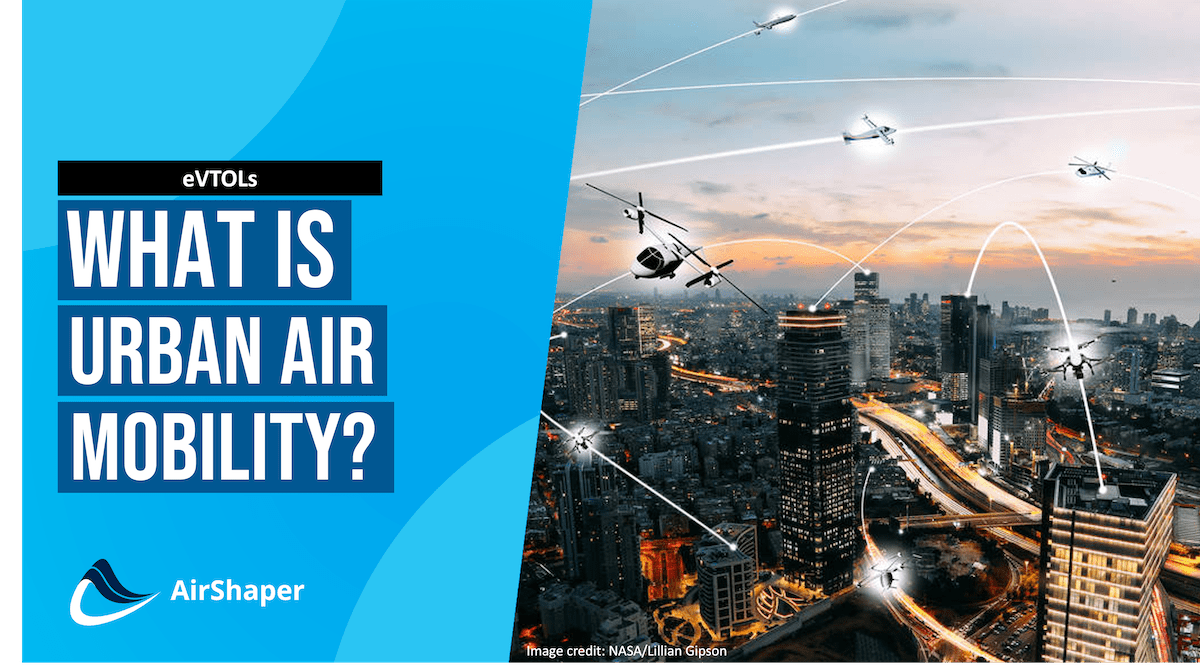
What is Urban Air Mobility?
Urban Air Mobility is defined as the use of small, highly automated aircraft—mainly electric-powered VTOL vehicles—to transport people or goods at low altitudes within urban and suburban environments[2][4]. Typical UAM systems comprise:
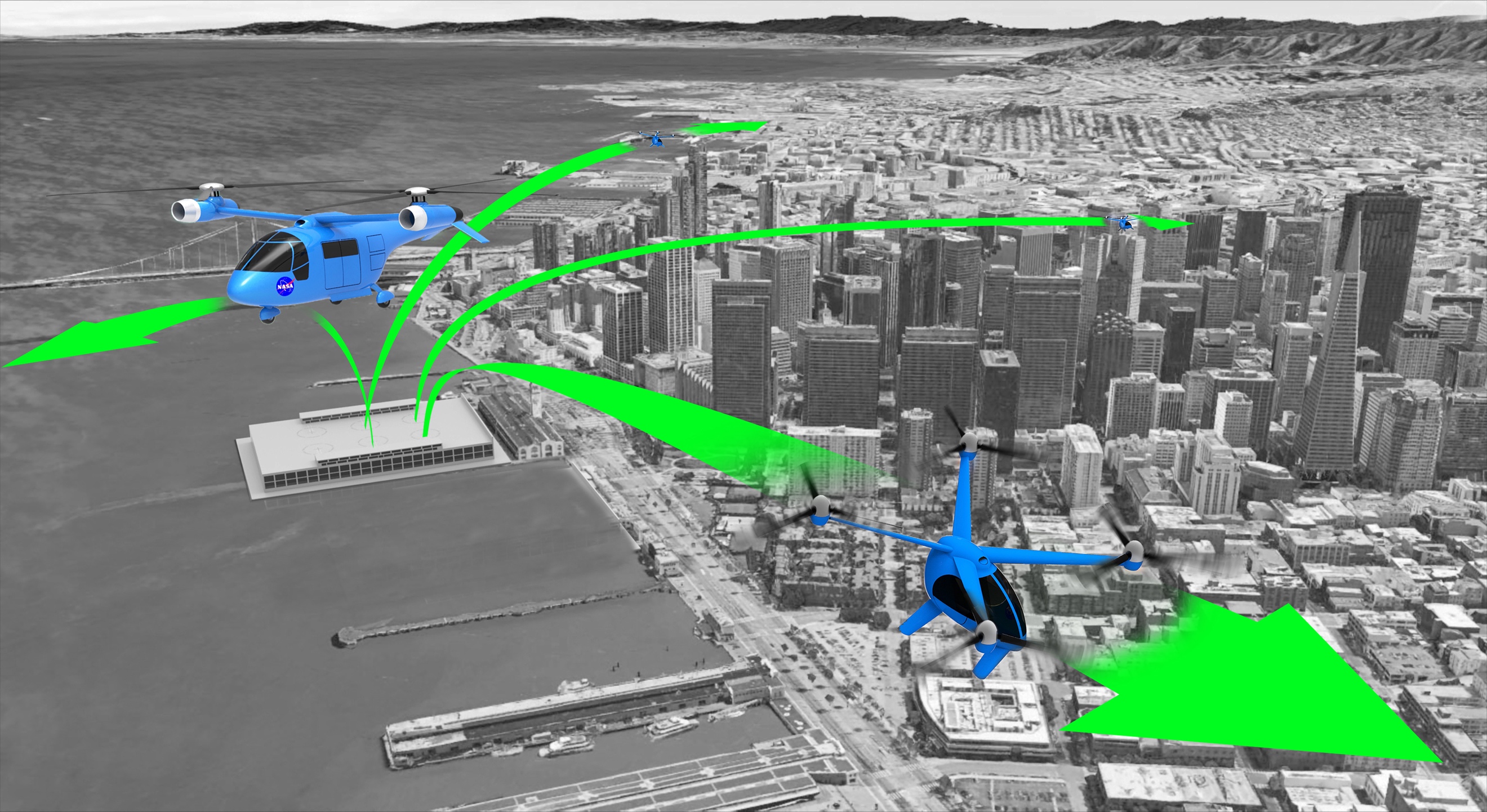
- eVTOL aircraft: Electric vehicles that take off and land vertically, eliminating traditional runway requirements and enabling flexible deployment on rooftops or compact urban sites[1][6].
- Vertiports: Specialized urban hubs designed for arrivals, departures, charging, and maintenance[1].
- Advanced air traffic management: Integrates new airborne vehicles with existing aviation infrastructure, ensuring safety and efficiency amid dense populations and myriad obstacles[1][2].
Most UAM vehicles leverage automation, electric propulsion, and fly-by-wire controls to maximize safety, minimize noise, and lower emissions[2][4].
Practical Examples and Use Cases
Real-world UAM applications range from air taxis and medical emergency transport to cargo delivery[4][6]:
- In cities such as Los Angeles and Paris, pilot programs are underway for air taxi services connecting downtown districts to major airports, shrinking travel times from over an hour to 15 minutes[4].
- Medical missions use drones and eVTOLs to deliver urgent supplies—such as blood or organs—across traffic-choked city streets, cutting response times by more than 70%[4].
- Logistics companies are exploring UAM for rapid parcel and goods transport in congested areas[3][6].
Benefits and Potential Applications
UAM promises several compelling advantages for cities and citizens[1][4][6]:
- Reduced traffic congestion: UAM operations bypass ground-level bottlenecks, enhancing mobility.
- Shorter travel times: Air taxis can save 15–40 minutes on average city commutes.
- Environmental sustainability: Most UAM craft run on electricity; they emit no local CO₂ and produce less noise compared to helicopters[4].
- Economic productivity: Streamlined travel boosts urban efficiency, with time savings translating to increased economic output[1][6].
- Enhanced emergency response: Fast, flexible airborne transport improves outcomes in medical and disaster scenarios.
Potential use cases extend to sightseeing, inter-city links, freight delivery, and new forms of public transport[3][5].
Challenges and Considerations
Despite strong promise, UAM faces key hurdles:
- Infrastructure needs: Cities must build and maintain vertiports, charging stations, and control systems[2].
- Safety and regulation: Integrating automated aircraft safely with existing airspace and urban environments requires robust regulation, certification, and continuous monitoring[4][8].
- Social acceptance: Public concerns about noise, privacy, and visual impact must be addressed for widespread adoption[3][6].
- Cost and business models: While eVTOLs led by commercial operators offer taxi-like services, achieving affordability and efficiency remains a challenge[2][3].
Current State and Trends
The UAM market has transitioned from concept to rapid development. Cities in Europe and the United States are running pilot projects for passenger air taxi and drone delivery services[4]. Commercial operations—with piloted vehicles—are anticipated to begin in the EU around 2025, initially focusing on goods delivery and short-range passenger flights[4][6]. Established aviation leaders (Airbus, Boeing) and innovative startups (Joby Aviation, Volocopter, Lilium) are advancing eVTOL technologies, while regulatory authorities such as the FAA and EASA are updating frameworks for safe integration[4][5].
Global forecasts project exponential growth, especially as urbanization intensifies[3]. Infrastructure development—especially vertiports and digital air traffic management—is central to scaling solutions and accommodating higher traffic densities[2][9].
Recent milestones include first flights of full-scale eVTOLs, expanded urban testing corridors, and initial commercial drone operations for logistics and emergency response[6].
Future Outlook
UAM is poised to evolve from niche pilots to large-scale deployment. By 2030, more than five billion city dwellers are expected worldwide, creating immense demand for efficient new mobility options[3]. As vehicle technologies mature and regulations harmonize, seamless urban air networks could supplement, and in some cases partially replace, surface transit. Widespread adoption promises to reshape city design, foster economic resilience, and redefine what rapid mobility means in the “third dimension” of urban space[3][4].

Urban Air Mobility stands ready to transform urban life, delivering cleaner, faster, and more resilient mobility as cities meet the challenges of the 21st century. The coming decade will be decisive in turning the skies into the world’s newest urban thoroughfare.
Citations
[1]: 2025, May 09. UAM: Transforming Urban Traffic for a Better Tomorrow. Published: 2024-09-17 | Updated: 2025-05-09
[3]: 2025, Mar 27. Urban Air Mobility: Mobility concepts for the (near) future. Published: 2023-07-14 | Updated: 2025-03-27
[5]: 2025, Oct 22. Urban Air Mobility (UAM) Concept of Operations. Published: 2023-08-31 | Updated: 2025-10-22