


Software Engineering Management
Defining and Describing Software Engineering Management
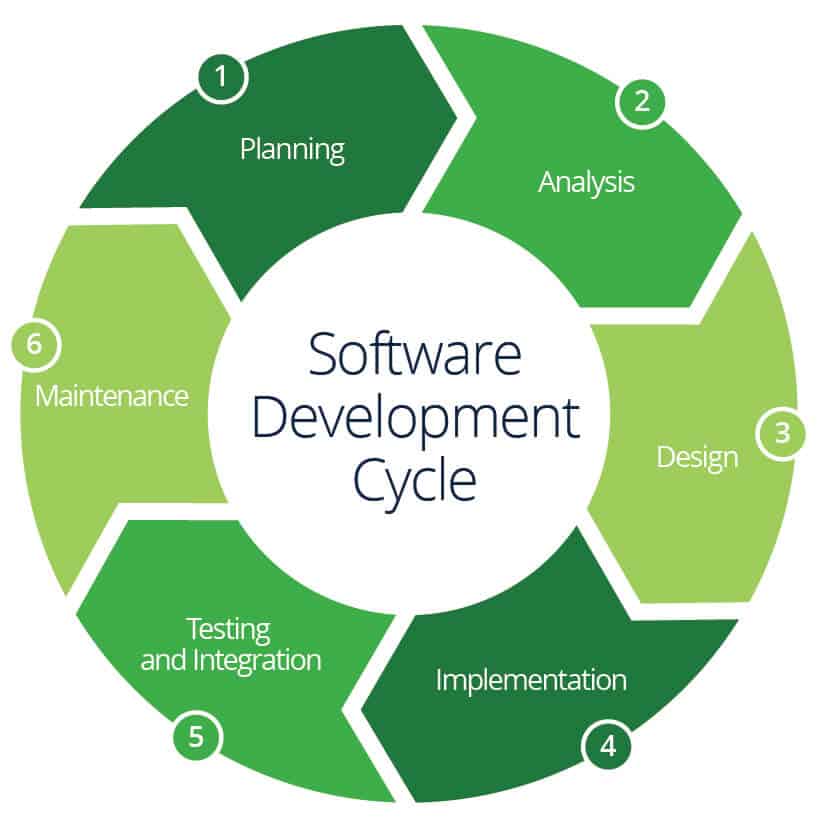
Software engineering management is the practice of leading software developers and shaping socio‑technical systems so teams reliably ship valuable software, improve over time, and align with business strategy.
In an innovation context, the term applies when someone is accountable both for people (teams, culture, hiring) and systems (process, architecture trade‑offs, delivery practices) in software‑intensive organizations, from seed‑stage startups to scaled product companies.
[p4lylk]
[ogue38]
It does not refer to generic project management or HR‑only supervision; it is specifically about managing engineering work as a product engine—shipping code, maintaining quality, and evolving the codebase and processes.
[p4lylk]
[ogue38]
Innovation consultants care because the leverage point for faster iteration, better developer experience, and successful AI/tool adoption is often how software engineering is managed—not just which technologies are chosen.
[giha91]
[p4lylk]
[ogue38]
Disambiguation
Primary sense — the innovation-consulting sense
Definition:Software engineering management (primary sense) is the discipline and role of leading software engineering teams and practices so they execute, learn, and innovate in line with product and business goals.
[p4lylk]
[ogue38]
- In modern tech companies, strong software engineering management is framed around a set of foundational skills: execution, team, ownership, and alignment, plus growth skills like taste, clarity, navigating ambiguity, and working across timescales. [p4lylk] This moves beyond status reporting into actively shaping how teams ship and improve the socio‑technical system.
- This sense covers engineering managers, heads of engineering, VPs of Engineering, and CTOs when they are directly responsible for how software teams plan, build, test, deploy, and operate products. [p4lylk] [ogue38] It overlaps with “software engineering leadership,” which explicitly ties leadership behavior to delivery, team health, and business results. [ogue38]
- It is not limited to people management; contemporary writing stresses that good engineering management includes architecture/product judgment (“taste”), system design trade‑offs, and orchestrating AI/tooling/workflows to remove bottlenecks and manual work. [giha91] [p4lylk] Engineering leaders in AI‑enabled teams explicitly focus on introducing workflows and tools that “eliminate a manual process… and almost do that thing for us and report back to us.” [giha91]
- In AI‑heavy environments, software engineering management includes helping engineers “utilize the AI tools as like a junior engineer,” managing quality and workflows rather than doing all the manual coding or bug triage themselves. [giha91] This is highly relevant for innovation consulting around developer‑tool adoption, productivity, and organizational change.
Other senses
1. Academic/programmatic “Software Engineering and Management”
- Some universities use “Software Engineering and Management” as the name of degree programmes that combine advanced technical software engineering coursework with management skills such as project management, quality management, and innovation in software development. [w5ouvj]
- For example, the Master’s Programme in Software Engineering and Management at the University of Gothenburg “offers a unique combination of advanced technical knowledge and management skills within software development.” [w5ouvj] Graduates are prepared for roles like project manager, developer, tester, and quality manager, and learn to “understand industrial practices and current and future trends in technology development” and “innovating software development practices and improving performance.” [w5ouvj]
- Innovation relevance: these programmes supply the talent pipeline for the primary sense—people who can span code and management—so consultants often encounter this label in CVs, curricula, and capability assessments, but the term here denotes a curriculum, not the practice itself. [w5ouvj]
- Also used in library science and educational cataloging to describe course categories or subject headings that bundle software engineering with management topics; not directly relevant to innovation‑consulting practice.
Etymology and Origin
(Section omitted: the phrase “software engineering management” is a transparent combination of plain-English terms “software engineering” and “management,” which emerged organically as organizations formalized engineering leadership roles, rather than being a coined term with a single originator.)
Adjacent Vocabulary
- Synonyms
- Software engineering leadership – emphasizes influence and direction (vision, culture, strategy) over formal reporting lines; often used when focusing on how leadership “drives delivery, team health, and business results.” [ogue38]
- Engineering people management – stresses the people‑ops side (hiring, performance, coaching) of managing engineers; narrower than the full socio‑technical remit described in the primary sense. [p4lylk]
- Antonyms
- Dysfunctional engineering management – environments where teams lack alignment, ownership, and execution discipline, leading to poor delivery and morale—the implicit opposite of the core and growth skills outlined for good engineering management. [p4lylk]
- Adjacent terms
Usage in Practice
- Will Larson (ex-Stripe, ex-Digg) describes the skill set behind effective engineering management: “Having been and worked with engineering managers for some time, I think there are eight foundational engineering management skills… core skills that are essential to operate in all roles… and growth skills whose presence–or absence–determines how far you can go in your career.” [p4lylk] This frames software engineering management as a distinct discipline with its own canon of skills.
- In discussing the shift brought by AI tools, engineering leader Jess Madhavan notes that “being an engineering leader now comes with understanding your team, where the bottlenecks are and how we can improve those by introducing workflows” and automation, rather than relying on manual bug investigation and testing. [giha91] This highlights management’s role in process and tooling innovation.
- Madhavan also characterizes the new human–AI division of labor: engineers are “utilizing the AI tools as like a junior engineer… managing like what’s being done, reviewing it… orchestrating how the coding tools are doing what we need to do,” while engineering managers focus on choosing and integrating those tools into workflows. [giha91] This is software engineering management as orchestration of both humans and AI.
- On how leaders should respond to AI, she advises that it “goes into just understand your team and the bottlenecks… what are the things… slowing down or taking up your engineer’s time… and then doing a bit of research into what can actually speed that up or what workflows could you introduce or what tooling is there out there that you could use.” [giha91] Here, management is explicitly about diagnosing constraints and designing workflows.
- The University of Gothenburg describes its Software Engineering and Management programme as preparing students to “judge and improve software quality, methods, and tools; sustain software systems over long times; and innovating software development practices and improving performance.” [w5ouvj] This curricular description mirrors the practical expectations placed on software engineering managers in industry.
Common Misuses
- Treating software engineering management as pure project management.Misuse: equating the role with scheduling tasks, running stand‑ups, and tracking tickets only.Better term: project management or delivery management. Software engineering management also entails architectural judgment, team building, and shaping developer workflows and tooling. [p4lylk] [ogue38]
- Using the term for HR‑only people supervision.Misuse: calling someone a software engineering manager when they only handle performance reviews and approvals, with no responsibility for delivery, quality, or technical direction.Better term: people manager or line manager. The primary sense assumes accountability for engineering outcomes and the socio‑technical system. [p4lylk] [ogue38]
- Labeling any senior engineer as “doing software engineering management.”Misuse: assuming that because a senior or staff engineer influences peers, they are engaging in software engineering management.Better term: technical leadership or staff engineering. Formal software engineering management combines that influence with responsibility for team outcomes, hiring, performance, and process design. [p4lylk] [ogue38]
- Using academic programme names as if they describe a role.Misuse: treating “Software Engineering and Management” (degree title) as a standardized job function or industry role.Better term: software engineering graduate or master’s in software engineering and management. The programme name denotes a curriculum, not a specific organizational position. [w5ouvj]