Write a comprehensive one-page article about "Sales Cycles".
Model: sonar-pro
A sales cycle is the repeatable series of steps a business follows to convert potential buyers into paying customers—a process fundamental to revenue generation and sustainable growth.
[637a9m]
[82yj4x]
[7sm31x]
Organizations rely on well-defined sales cycles to forecast sales accurately, identify bottlenecks, and ensure consistent success. For companies of every size, mastering the sales cycle is key to closing deals efficiently and maximizing profits.
[8dqbbn]
[q5h8iz]
Understanding the Sales Cycle
At its core, the sales cycle outlines the stages from initial contact with a potential customer through to a closed deal and post-sale follow-up.
[637a9m]
[82yj4x]
[7sm31x]
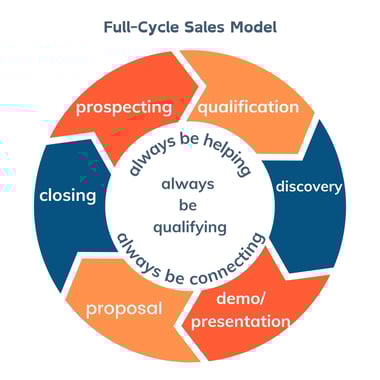
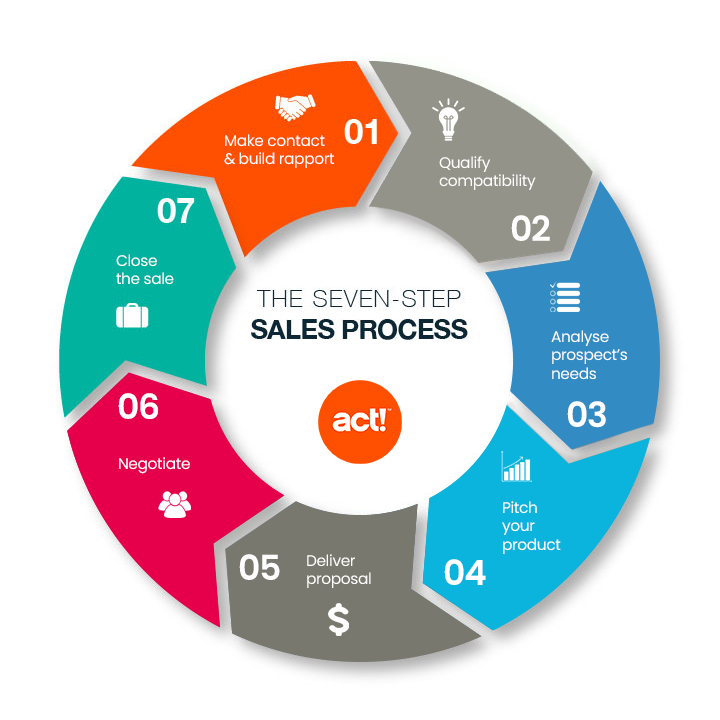
While details vary by industry and company, a standard sales cycle typically includes the following phases:
[82yj4x]
[8dqbbn]
[q5h8iz]
Prospecting: Identifying leads who are likely to benefit from the product or service.
Connecting: Initiating contact and building rapport.
Qualifying: Assessing whether the prospect has the need, authority, and budget.
Presenting: Demonstrating value through sales presentations or product demos.
Handling Objections: Addressing hesitations or concerns raised by the prospect.
Closing: Reaching an agreement or finalizing the deal.
Follow-Up: Ensuring customer satisfaction and cultivating long-term relationships.
For example, a software company might identify target businesses (prospecting), schedule demo calls (connecting), assess needs during discovery (qualifying), and then deliver tailored product demonstrations (presenting). Objections about pricing or technical fit are addressed (handling objections), leading up to contract negotiation (closing), and, ultimately, onboarding support and periodic check-ins (follow-up).
[82yj4x]
[7sm31x]
[q5h8iz]
Benefits and ApplicationsA clearly structured sales cycle empowers sales teams to:
Forecast revenue accurately by tracking the duration and conversion rates at each stage.
[637a9m]
[82yj4x]
Pinpoint weaknesses in the process—such as deals stalling at the objection stage—and implement targeted improvements.
[637a9m]
[7sm31x]
Reduce wasted effort, focusing on qualified leads more likely to convert.
[8dqbbn]
[q5h8iz]
Train new staff consistently, as new hires have a defined roadmap to follow.
[jgv7n4]
Practical applications abound: In retail, rapid sales cycles enable high-volume transactions, while in B2B sectors like real estate, longer cycles with complex qualification and negotiation stages are standard.
Challenges and ConsiderationsImplementing a sales cycle is not without obstacles. Misaligned stages, poor qualification, or lack of follow-up can cause deals to stall or be lost.
[637a9m]
[7sm31x]
Sales cycles can also be too rigid, failing to adapt to different customer behaviors or market changes. Monitoring and optimizing each step—using metrics like average time-to-close and drop-off rates—is crucial for ongoing success.
[q5h8iz]
Current State and Trends
Most modern organizations adopt some form of the sales cycle, with adoption nearly universal among B2B companies and rapidly increasing in e-commerce and SaaS.
[7sm31x]
[a0wn6l]
Technologies such as CRM (Customer Relationship Management) platforms, sales automation tools, and AI-driven analytics are reshaping sales cycle management by streamlining repetitive tasks and providing data-driven insights for process improvement.
[637a9m]
[8dqbbn]
Leading players like Salesforce, HubSpot, and Zoho offer integrated solutions that track prospects through each cycle stage.
Recent trends emphasize shortening the cycle through personalized engagement and digital touchpoints, as well as leveraging automation for prospecting and follow-up.
[82yj4x]
[8dqbbn]
There is also a move toward omnichannel approaches, allowing sales teams to interact with clients across email, social media, chat, and phone seamlessly.
Future Outlook
Looking ahead, AI and machine learning will play larger roles in sales cycle optimization, from qualifying leads based on behavioral data to personalizing nurture campaigns automatically. Improved integration between marketing and sales data will further align these departments, enabling rapid adaptation to shifting customer demands. As remote and digital buying behaviors proliferate, expect sales cycles to become more dynamic, data-driven, and customer-centric.
In sum, a well-defined sales cycle remains a cornerstone of effective sales strategy, driving both efficiency and growth as organizations embrace technology and evolving customer expectations. Those who invest in optimizing this cycle will be best positioned for future success.