


Robotics-as-a-Service
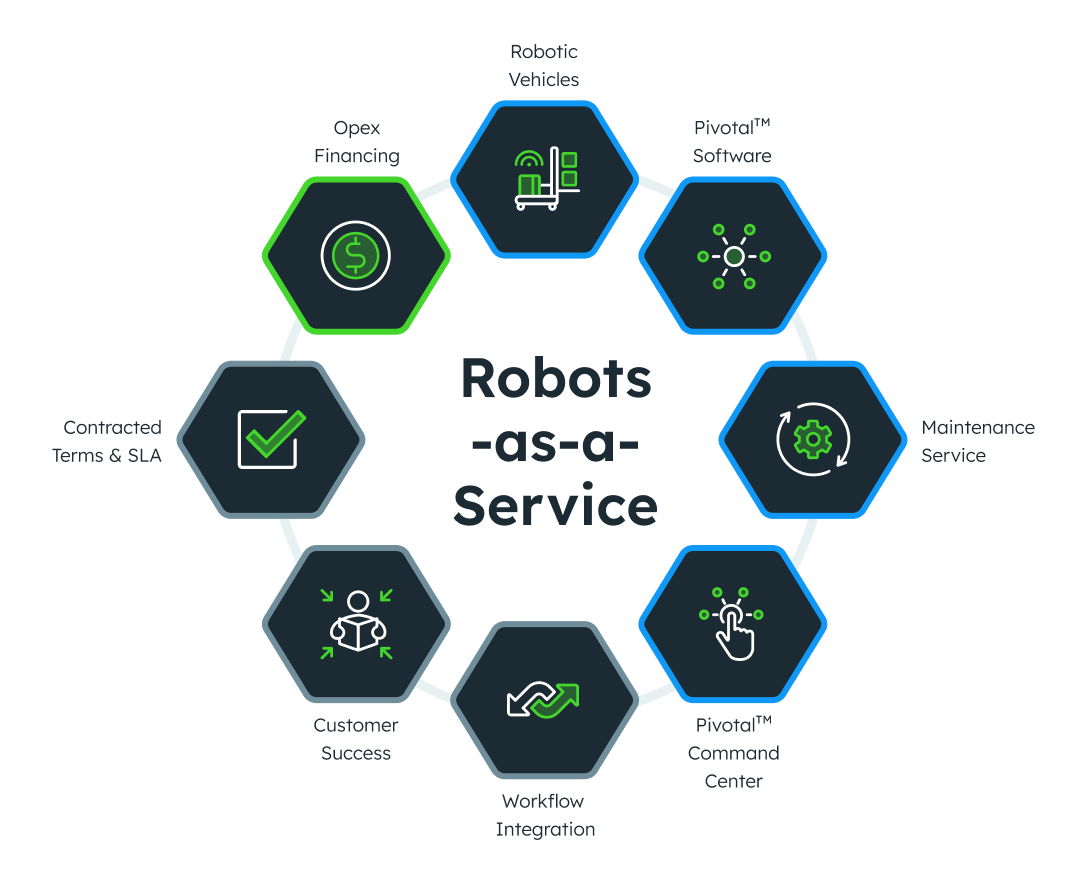
Defining and Describing Robotics-as-a-Service
Uses in Context
- In logistics and manufacturing, RaaS deploys autonomous mobile robots (AMRs) or forklifts via pay-per-use plans that include maintenance and upgrades, allowing scalable automation tied to demand. [eoiaj1]
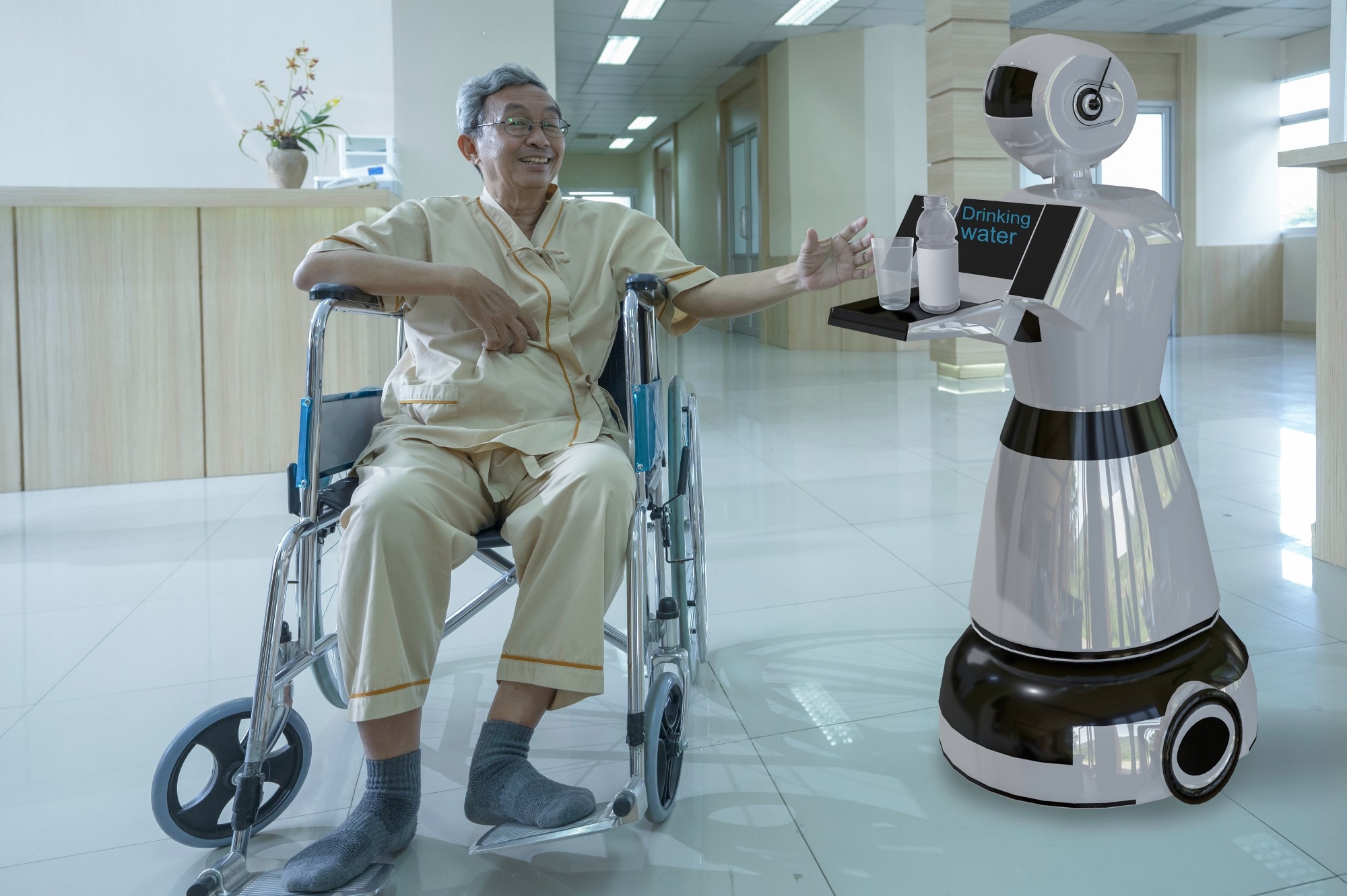
- For service industries like hospitality, it enables "robotic vacuums in hotels" through time-based or task-based leases, reducing ownership risks while addressing labor needs. [fn0xn9]
- In security, RaaS delivers "ground robots or aerial drones bundled with expert support, cloud connectivity, and integration services," focusing on outcomes like surveillance without hardware purchases. [1e3l9l]
- Welding automation uses RaaS for "subscription model[s] for intelligent welding cells," where manufacturers pay ongoing fees instead of buying equipment outright. [0se50f]
- Broadly, RaaS facilitates "seamless integration of robot and embedded devices into Web and cloud computing," treating robots as a "cloud computing unit" with service-oriented architecture for discovery and access. [j3aba8]
- It avoids "the headaches of ownership" by handling setup, optimization, and repairs through yearly or monthly fees, akin to Software-as-a-Service but for physical robots. [duq7hp]
History of Use
Origins
- The term "Robot as a service" or "robotics as a service (RaaS)" originated as a "cloud computing unit that facilitates the seamless integration of robot and embedded devices into Web and cloud computing environment," drawing from the Software-as-a-Service (SaaS) model popularized in enterprise software. [j3aba8]
- It was framed in terms of service-oriented architecture (SOA), including services for functionality, directories for discovery, and clients for direct access, with manufacturers providing remote monitoring and swaps. [j3aba8]
Evolution
- By the early 2010s, RaaS expanded from cloud integration to practical subscriptions for physical robots, emphasizing leases over purchases to lower costs and enable remote services. [j3aba8]
Best Real-World Examples
- Autonomous mobile robots (AMRs) from Interlake Mecalux via RaaS subscriptions with pay-per-use and maintenance. [eoiaj1]
Case Studies
Asylon Robotics pioneered security-focused RaaS by bundling ground robots and aerial drones with expert support, cloud connectivity, and integration services, launched in the early 2020s to address high costs of standalone security assets. Customers subscribe rather than purchase, gaining ongoing monitoring and performance without ownership risks; this shifted security operations from capex-heavy investments to opex scalability, demonstrating RaaS's value in outcome-driven sectors like perimeter surveillance where providers manage adaptations to site-specific needs.
[1e3l9l]
Path Robotics introduced RaaS for welding automation around 2020–2022, allowing manufacturers to subscribe to intelligent welding cells instead of buying expensive equipment outright. The model includes hardware, software updates, and support, enabling rapid deployment and scaling based on production demands; it reduced barriers for small-to-mid manufacturers, proving RaaS accelerates adoption in precision tasks by tying payments to usage and outcomes like welds completed.
[0se50f]
Interlake Mecalux adopted RaaS for autonomous mobile robots (AMRs) and cobots in material handling, offering on-demand subscriptions with recurring fees, maintenance, and remote assistance starting in the mid-2020s. Companies scale fleets dynamically without upfront purchases, outsourcing upkeep to focus on core operations; this case shows RaaS's flexibility in fast-changing logistics, converting initial outlays to predictable opex and supporting demand fluctuations.
[eoiaj1]