


Relationship Systems Models
(2025-11-26T14:01.979Z)
Perplexity Query
(2025-11-26T14:01
.979Z)
Question:
Write a comprehensive one-page article about "Relationship Systems Models (RSMs, like Graphon)".
Model: sonar-pro
Understanding Relationship Systems in Networks
IntroductionRSMs are a powerful mathematical framework for representing and analyzing complex relationship systems, such as social networks, biological interactions, and technological infrastructures. At their core, graphons are symmetric, measurable functions that capture the probability of connections between entities in a network, providing a continuous and scalable way to model relationships. Their significance lies in their ability to generalize and simplify the study of large, intricate networks, making them invaluable for both theoretical research and practical applications.
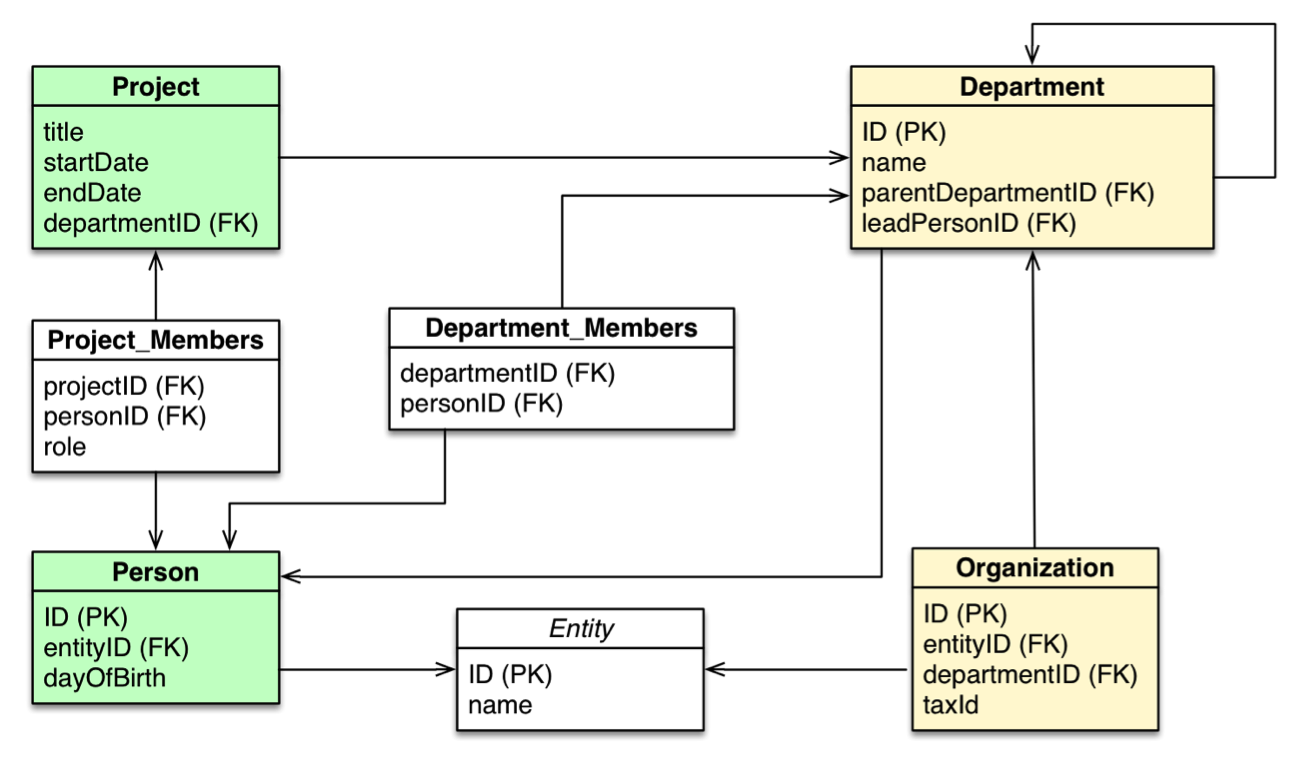
Main ContentA graphon is formally defined as a symmetric measurable function ( W: [0,1]^2 \to [0,1] ), where each value ( W(x,y) ) represents the probability of a connection between two entities (nodes) in a network. This approach allows for the modeling of networks of any size, from small groups to massive systems, by treating the network as a limit of increasingly large graphs. For example, in a social network, a graphon can represent the likelihood of friendship between any two individuals, capturing patterns such as clustering, community structure, and overall connectivity.
Graphon models are particularly useful because they are nonparametric, meaning they do not rely on predefined assumptions about the network's structure. This flexibility enables them to represent a wide range of network phenomena, including those found in stochastic block models, where nodes are grouped into communities with similar connection patterns. In practice, graphons can be used to generate synthetic networks that mimic real-world systems, making them valuable for simulations, hypothesis testing, and predictive modeling.
One practical example of graphon models is in the analysis of social networks. By estimating a graphon from observed friendship data, researchers can identify underlying community structures and predict how new connections might form. Another use case is in biological networks, such as protein-protein interaction networks, where graphons can help uncover functional modules and pathways. In both cases, graphon models provide a clear, interpretable way to understand the complex web of relationships that define these systems.
The benefits of graphon models include their scalability, interpretability, and ability to capture both local and global network properties. They are also model-agnostic, meaning they can be applied to a variety of network types without requiring specific assumptions about the data. However, there are challenges to consider, such as the computational complexity of estimating graphons from large datasets and the need for careful interpretation of results to avoid overfitting.
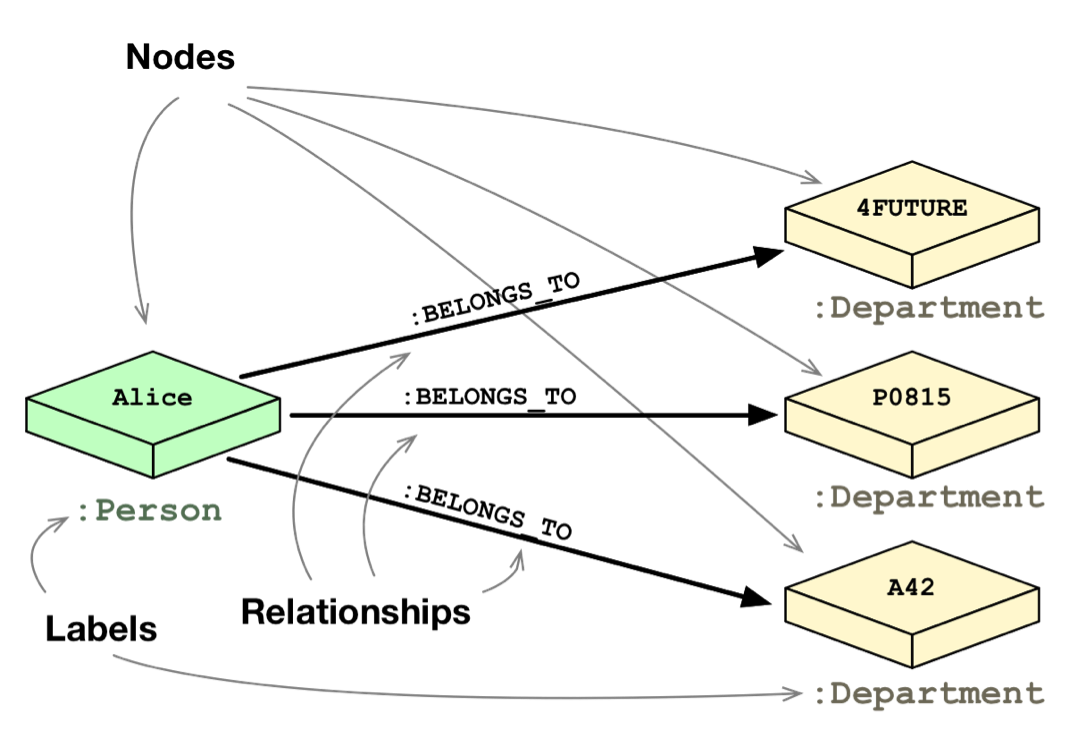
Current State and TrendsGraphon models are gaining traction in both academic research and industry applications. In academia, they are used to study network limits, community detection, and the dynamics of complex systems. In industry, graphon models are being applied to areas such as social media analysis, recommendation systems, and cybersecurity. Key players in this field include researchers at universities and technology companies, as well as open-source projects that provide tools for graphon estimation and analysis.
Recent developments have focused on improving the efficiency and accuracy of graphon estimation algorithms, as well as extending the framework to handle dynamic and heterogeneous networks. For example, new methods have been developed to estimate graphons from streaming data, allowing for real-time analysis of evolving networks. Additionally, there is growing interest in combining graphon models with machine learning techniques to enhance predictive capabilities and automate the discovery of network patterns.

Future OutlookThe future of graphon models looks promising, with ongoing research aimed at making them more accessible and applicable to a wider range of problems. Advances in computational methods and the integration of graphon models with other data science techniques are expected to drive further adoption and innovation. As networks continue to grow in size and complexity, graphon models will play an increasingly important role in understanding and managing the relationships that shape our world.
ConclusionGraphon models offer a powerful and flexible way to represent and analyze relationship systems in networks. Their ability to capture complex patterns and scale to large datasets makes them a valuable tool for researchers and practitioners alike. As the field continues to evolve, graphon models are poised to become even more central to the study of complex systems and the development of data-driven solutions.
Citations
[3]: 2025, Nov 23. What Are Relationship Graphs? All You Need To Know. Published: 2025-05-16 | Updated: 2025-11-23
[4]: 2024, Apr 09. Graphon Models for Network Data - Estimation, Extensions .... Updated: 2024-04-09
[5]: 2025, Nov 26. Graph Models, Structures and Knowledge Graphs. Published: 2023-04-11 | Updated: 2025-11-26