Write a comprehensive one-page article about "Product Analytics".
Model: sonar-pro
Product Analytics: Unlocking Growth Through Data-Driven Insights
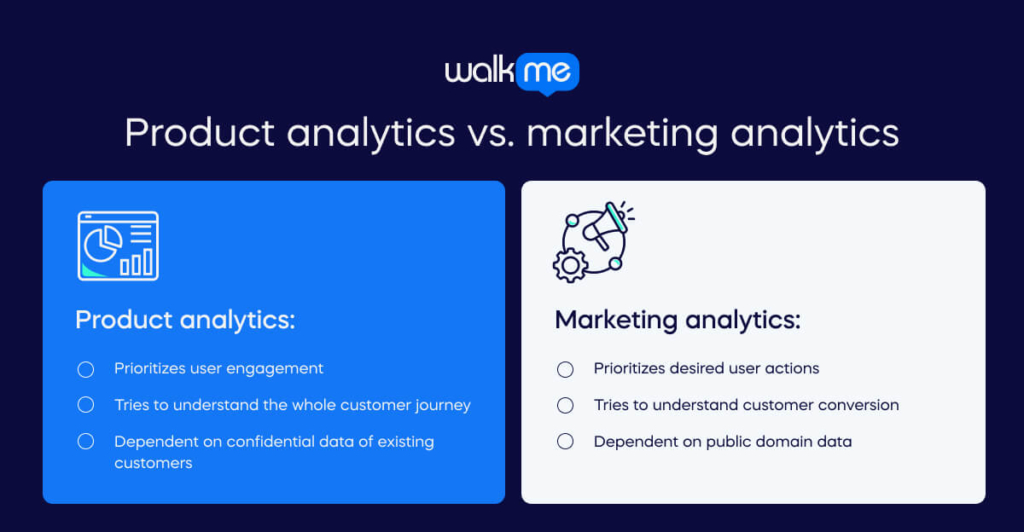
Product analytics is the practice of collecting, measuring, and analyzing data about how users interact with digital products or services. By revealing where, how, and why users engage—or struggle—with a product, it empowers companies to build better user experiences, optimize features, and fuel business growth.
[low5l5]
[p1zbq5]
As modern products compete for user attention and loyalty, product analytics has become essential for organizations seeking to meet evolving customer needs and outperform competitors.
[x39r9m]
[p1zbq5]
Understanding Product Analytics
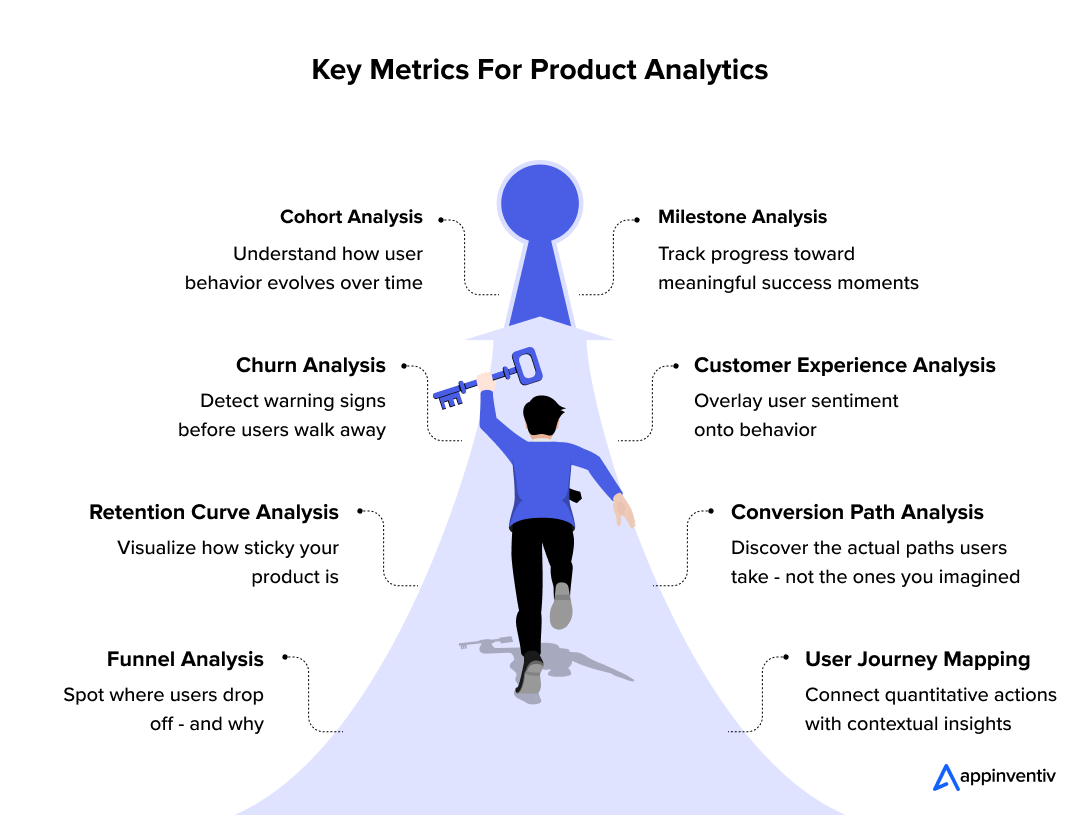
At its core, product analytics tracks and examines every user action within a digital product—whether that means clicks, feature usage, navigation flows, retention rates, or drop-off points.
[low5l5]
[p1zbq5]
[taa16c]
Tools like Amplitude, Heap, and Countly allow teams to monitor these metrics in real time and generate actionable insights.
[cu3ur0]
[gh7zbs]
For example, a SaaS company may notice that users frequently abandon a process halfway through onboarding. By analyzing session replays and event funnels, product teams can pinpoint the exact steps where friction occurs and then iterate on the onboarding design to improve completion rates.
[low5l5]
[0un27w]
Common use cases of product analytics include:
Identifying popular features and underused ones to guide product development.
[0un27w]
[x39r9m]
Diagnosing user pain points, such as confusing interfaces or error-prone steps, for quick resolution.
[gh7zbs]
[low5l5]
Optimizing marketing campaigns by tracking which user cohorts convert or engage most.
[low5l5]
[gh7zbs]
A/B testing new releases and measuring their impact on user engagement.
[vbi11a]
Personalizing customer journeys, ensuring users see content and features most relevant to their needs.
[cu3ur0]
[x39r9m]
A mobile banking app, for instance, might measure how many users successfully complete money transfers versus those who drop off, informing both design improvements and customer support training. Meanwhile, e-commerce platforms analyze purchase funnels to identify exactly where shoppers abandon their carts, enabling targeted interventions that increase conversions.
Organizations from early-stage startups to global enterprises rely on product analytics to:
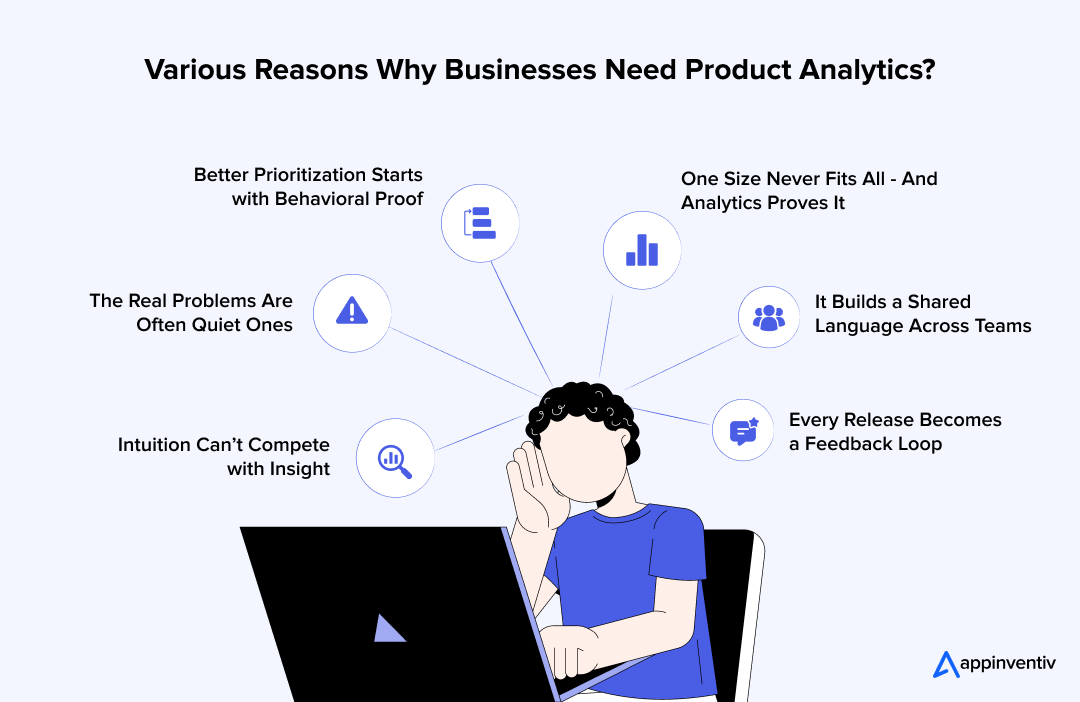
Drive higher revenue through improved engagement and smarter growth strategies
[p1zbq5]
[low5l5]
Maintain a competitive advantage by quickly iterating on product offerings
[gh7zbs]
[low5l5]
However, using product analytics effectively requires addressing certain challenges. Companies must ensure data accuracy and privacy, avoid analysis paralysis from overly complex dashboards, and foster a culture where actionable insights—not just raw numbers—drive decisions.
[x39r9m]
[0un27w]
Current State and Trends
The adoption of product analytics has surged in recent years, as businesses recognize that success in the digital age hinges on understanding and serving customers at a granular level. Leading tools such as Amplitude, Heap, Mixpanel, Pendo, and Countly offer advanced capabilities like session replays, behavioral cohorting, and predictive analytics, allowing teams to connect every touchpoint along the user journey.
[cu3ur0]
[gh7zbs]
[low5l5]
Modern product analytics platforms integrate seamlessly with other business intelligence tools, making it easier for data analysts, marketers, developers, and executives to collaborate and make informed choices.
[low5l5]
[gh7zbs]
Recent trends include the rise of artificial intelligence and machine learning features that can surface hidden patterns, automate insight generation, and even suggest next-best actions.
[gh7zbs]
[cu3ur0]
At the same time, organizations must meet stringent privacy and compliance requirements as customers demand greater transparency about their data.
Future Outlook
Looking forward, product analytics will become even more intelligent, automated, and essential. Expect more real-time, AI-driven insights that identify emerging user needs, predict churn, and tailor digital experiences on the fly. As the Internet of Things and new digital platforms proliferate, the scope and value of analytics—in products from wearable tech to enterprise SaaS—will only expand, empowering organizations to deliver hyper-personalized, seamless experiences at scale.
In summary, product analytics is transforming how organizations build, measure, and improve digital products. Businesses that effectively harness these insights will not only deliver better user experiences but also secure lasting competitive advantages in an increasingly data-driven world.