Write a comprehensive one-page article about "Free and Open Source Software".
Model: sonar-pro
Free and Open Source Software
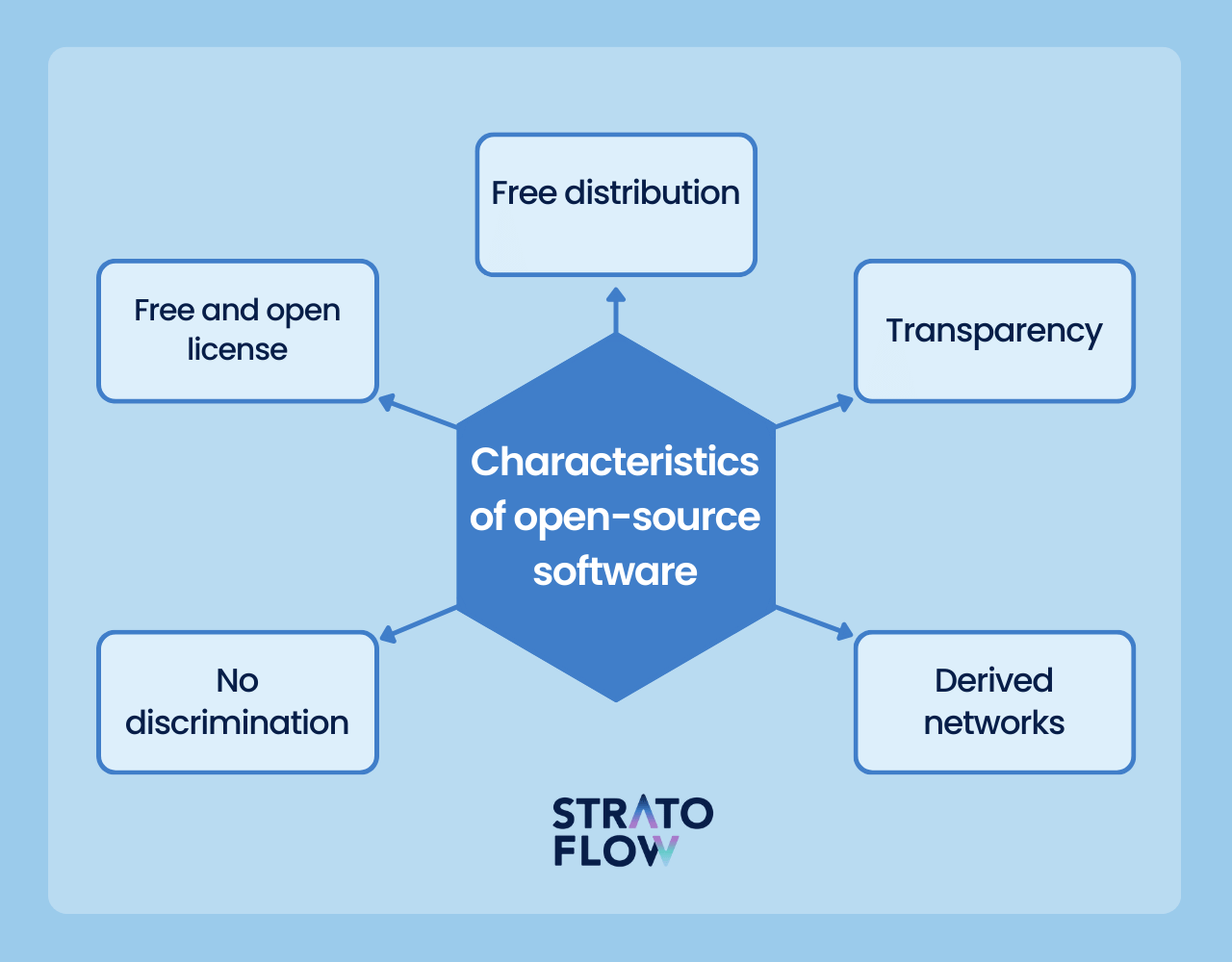
Free and Open Source Software (FOSS) refers to software that grants users the freedom to access, modify, and share its source code without restrictive licensing barriers.
[wqgdl2]
[c8o5ve]
This model is increasingly significant in the digital era because it democratizes technology, empowers collaboration, and drives innovation across industries.
[jf5dhe]
[4mxdst]
Understanding Free and Open Source Software
FOSS is built on transparency and community involvement. The core idea is that anyone can inspect, modify, and redistribute software, either for personal use or for broader adoption.
[c8o5ve]
With licenses such as GNU General Public License (GPL) or MIT, FOSS removes the financial and legal constraints associated with proprietary software, allowing both individuals and organizations to adapt solutions as needed.
[4mxdst]
[2le5nr]
In practical terms, many technologies we interact with daily depend on FOSS. The Linux operating system powers much of the world’s web infrastructure, from cloud data centers to smartphones (via Android).
[e0ku7x]
[c8o5ve]
Key web servers like Apache and Nginx run a significant portion of the internet, while foundational software such as the Python and R programming languages enable scientific computing, data analysis, and artificial intelligence research.
[e0ku7x]
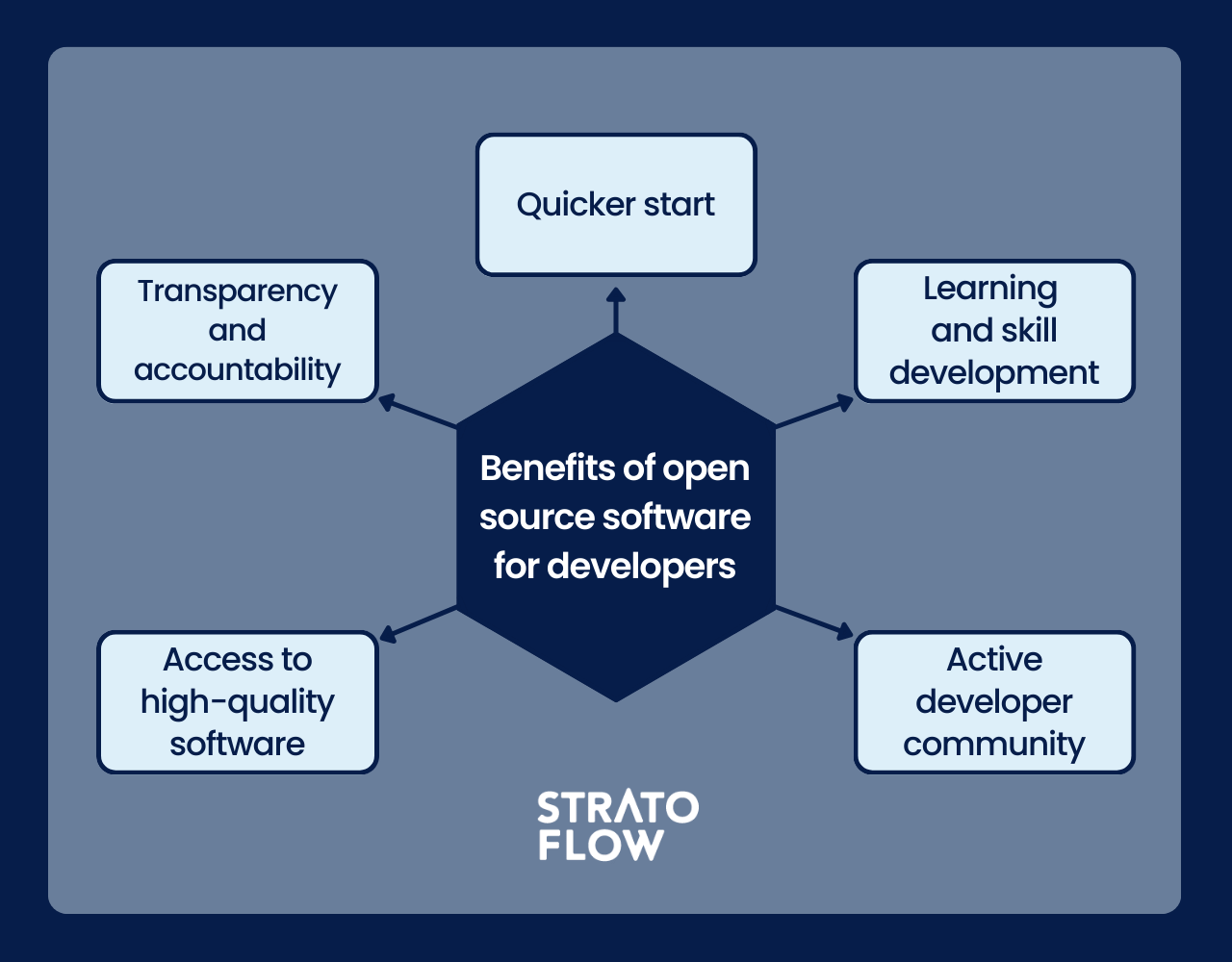
Customization: Users and organizations can adapt or extend functionality to fit unique needs.
[jf5dhe]
[2le5nr]
Community support: Large, global communities foster rapid development, provide technical help, and ensure software longevity by enabling ‘forks’ if a project stalls or development priorities shift.
[e0ku7x]
[2le5nr]
Security: Open review enables quicker detection and resolution of vulnerabilities, with many eyes examining code for flaws.
[jf5dhe]
[e0ku7x]
Innovation: Open collaboration often leads to faster technological advancements and cross-pollination of ideas.
[jf5dhe]
[4mxdst]
Use cases range from powering web infrastructure (servers, routers), enabling scientific research (OpenFOAM for computational fluid dynamics), managing business operations (enterprise platforms like Odoo and ERPNext), to supporting personal productivity (LibreOffice, GIMP).
[e0ku7x]
Challenges and Considerations
While FOSS brings significant advantages, it also presents challenges:
Professional support may be less comprehensive compared to commercial products, making troubleshooting dependent on community resources.
[2le5nr]
Compatibility and user experience can lag behind polished proprietary software, especially for non-technical users.
[2le5nr]
Security risks exist if proper maintenance and oversight are lacking—public code can be exploited if vulnerabilities remain unpatched.
[2le5nr]
Documentation and onboarding are often less formalized than in commercial offerings, potentially slowing adoption by new users.
[2le5nr]
Current State and Trends
FOSS adoption has become mainstream; nearly every major tech company, including Google, IBM, and Microsoft, both uses and contributes to open source projects.
[c8o5ve]
FOSS is integral to cloud platforms (like Kubernetes and Docker), modern web development frameworks, and the foundations of artificial intelligence research.
[e0ku7x]
Today, vast collaborative ecosystems—epitomized by sites like GitHub—fuel the development and proliferation of FOSS worldwide. Major projects, such as Mozilla Firefox, VLC Media Player, and the WordPress content management system, are widely used by both individuals and organizations.
[e0ku7x]
Recent trends highlight an increased focus on security management and governance models within open source projects, as well as the growing adoption of FOSS in sectors like government, education, and healthcare.
[e0ku7x]
[c8o5ve]
Projects increasingly blend community oversight with corporate investment and structured quality control.
Future Outlook
The future of FOSS looks promising. As digital transformation accelerates, the demand for adaptable, interoperable, and affordable technology will intensify. Expect FOSS to expand into emerging domains like quantum computing, edge AI, and digital sovereignty, shaping the next generation of accessible global digital infrastructure.
[jf5dhe]
[e0ku7x]
[c8o5ve]
Conclusion
Free and Open Source Software has reshaped modern computing by unlocking collaboration, innovation, and accessibility. As its adoption grows, FOSS will remain a catalyst for technological progress and digital equity.