Write a comprehensive one-page article about "FP&A Software".
Model: sonar-pro
Financial Planning & Analysis (FP&A) Software: Driving Strategic Decisions in Modern Business
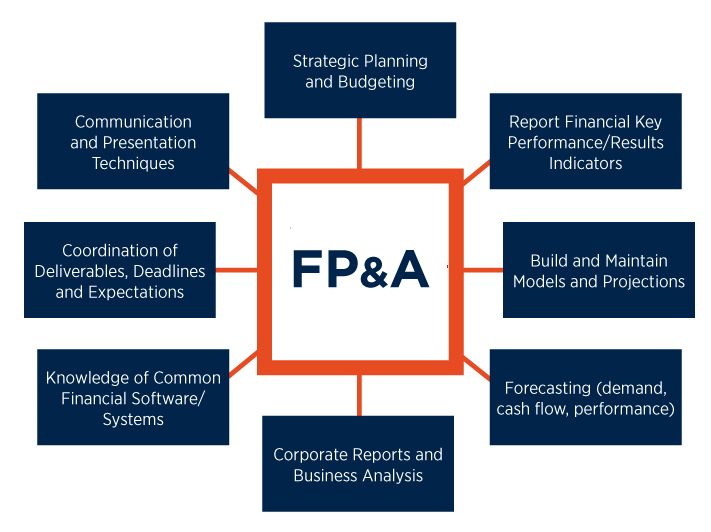
Financial Planning & Analysis (FP&A) software refers to a category of digital tools designed to automate, streamline, and enhance processes related to budgeting, forecasting, reporting, and performance analysis. These platforms have become essential for organizations seeking to improve strategic decision-making and maintain agility amid rapid economic and market changes.
[qmmdy1]
[0nij5j]
As businesses grow in complexity, FP&A software empowers finance teams to shift from manual, error-prone tasks to impactful, data-driven insights that drive long-term success.
[2k1d2g]
Understanding FP&A Software: Concepts and Applications
At its core, FP&A software consolidates financial data, market analytics, and operational metrics into a unified platform for holistic planning and analysis.
[qmmdy1]
[ar9nyy]
Unlike traditional spreadsheets, which are often siloed and labor-intensive, leading FP&A systems offer the following practical capabilities:
Automation of budgeting, forecasting, and reporting processes: Routine tasks such as consolidating data, updating budgets, and generating compliance reports are automated, reducing manual errors and freeing staff for higher-value analysis.
[hjd9fz]
[2k1d2g]
Real-time scenario analysis: Advanced platforms allow organizations to model complex "what-if" scenarios, test assumptions, and adjust forecasts dynamically in response to market or internal shifts.
[0nij5j]
Integration of multiple data sources: Modern FP&A solutions import information directly from source systems—ERP, CRM, sales, and operations—ensuring that financial plans reflect current business realities.
[hjd9fz]
[dnwg38]
Intuitive analytics and dashboards: Finance professionals and managers can explore performance in real time, pinpointing gaps and opportunities without deep technical expertise.
[hjd9fz]
[ar9nyy]
Practical use cases include annual budgeting cycles, rolling forecasts, revenue modeling, cost structure analysis, and board reporting. For instance, a SaaS business might use FP&A software to model subscription growth, analyze churn risk, and align staffing plans with revenue projections, instantly adjusting assumptions based on live data.
Benefits and Potential Applications
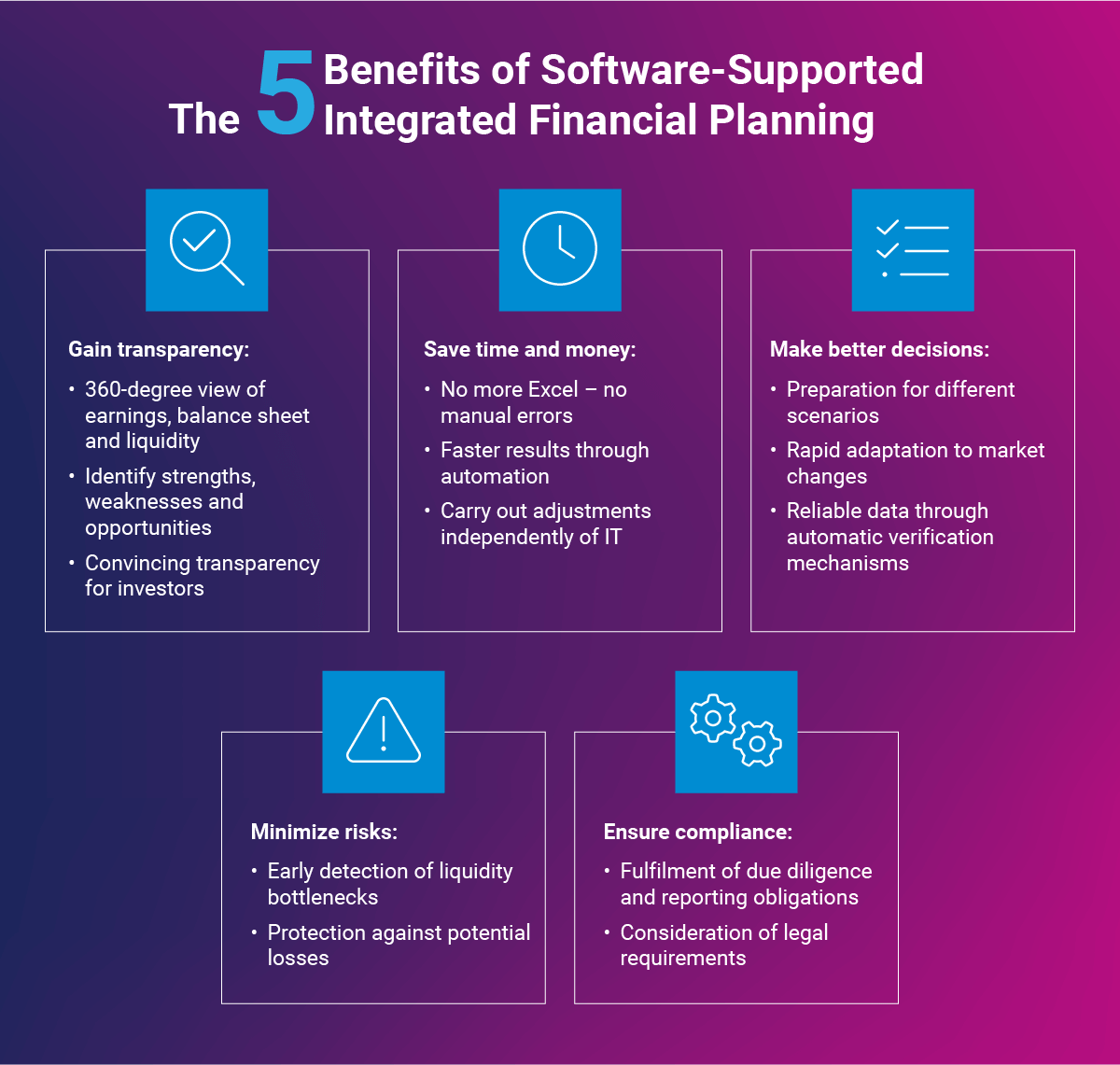
Organizations leveraging FP&A software report a range of transformative advantages:
Time savings and efficiency: Automation reduces hours spent on manual consolidation and error-checking, letting teams focus on analysis.
[hjd9fz]
[2k1d2g]
Improved accuracy: Automated calculations and data integrity checks minimize the risks associated with spreadsheets.
[dnwg38]
[2k1d2g]
Better visibility: By unifying financial and operational data, managers gain a comprehensive view of business performance, supporting timely and informed decisions.
[ar9nyy]
[19p6ea]
Optimized resource allocation: Robust modeling helps prioritize investments, control costs, and identify profitable growth opportunities.
[qmmdy1]
[ar9nyy]
Challenges and Considerations
Despite its promise, FP&A software adoption comes with potential challenges:
Implementation complexity: Integrating multiple data sources and customizing workflows can require significant upfront effort.
User adoption: Teams accustomed to spreadsheets may need training to leverage new systems’ full potential.
[hjd9fz]
Data quality: Effective analysis depends on accurate, timely input data—a persistent challenge in dynamic organizations.
[ar9nyy]
Current State and Trends
Adoption of FP&A software is accelerating across industries, as organizations recognize the need for agility and deeper analytical capability.
[dnwg38]
[ogzo0c]
Key market players include Oracle, SAP, Planful, Prophix, Jedox, and Workday Adaptive Planning, each offering specialized features for different business needs.
[dnwg38]
[0nij5j]
[ar9nyy]
Many platforms now emphasize extended planning & analysis (xP&A), linking financial planning with other organizational domains—such as sales, HR, and operations—for a truly enterprise-wide approach.
[dnwg38]
Recent developments focus on AI-powered predictive analytics, real-time collaboration, and cloud-based accessibility, making advanced FP&A capabilities available to smaller and mid-sized companies, not just large enterprises.
[dnwg38]
Future Outlook
In the coming years, FP&A software is expected to further integrate artificial intelligence, machine learning, and advanced Data Visualization, offering increasingly accurate, proactive, and strategic insights.
[dnwg38]
This evolution will help organizations move from reactive planning to true business partnering, where finance teams play a central advisory role in shaping business growth and resilience.
Conclusion
FP&A software has evolved into a cornerstone of modern business strategy, delivering efficiency, accuracy, and insight to finance and leadership teams. As technology continues to advance, these platforms will become even more integral—empowering organizations to adapt, optimize, and thrive in an ever-changing economic landscape.
[2k1d2g]
[dnwg38]