Write a comprehensive one-page article about "Graph Databases".
Model: sonar-pro
Graph Databases
Introduction
Graph databases are specialized databases that store data as nodes (entities) and edges (relationships), enabling efficient exploration of complex connections between data points.
[uicm0q]
[q5u392]
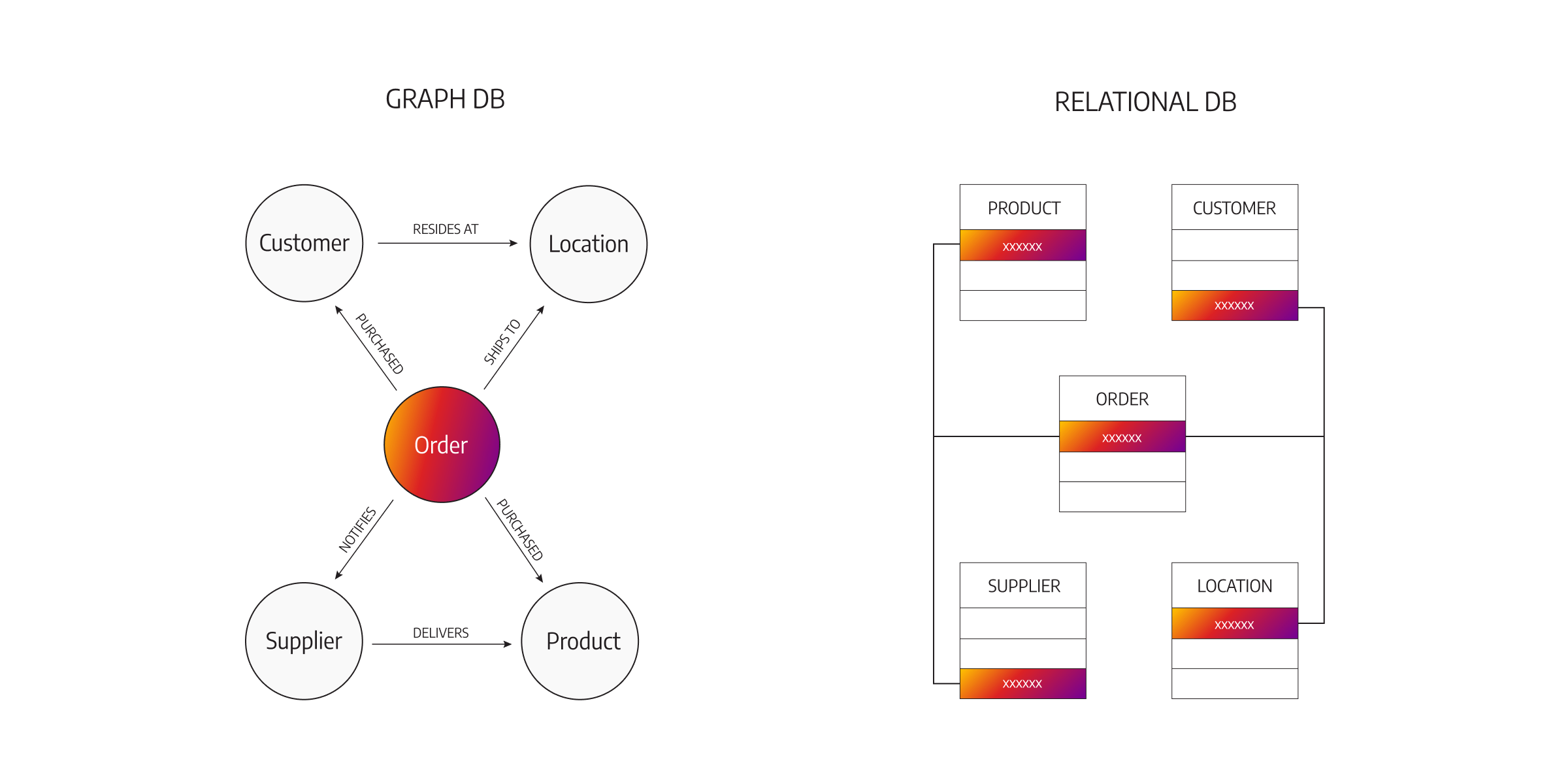
Unlike traditional relational databases relying on tables and joins, they excel at handling interconnected data, making them essential for modern applications where relationships drive insights.
[3ym2aq]
[cs87w2]
Their significance lies in powering real-time analysis in areas like social networks, fraud detection, and AI, transforming how organizations uncover hidden patterns and dependencies.
[uicm0q]
[d5u18k]
Main Content
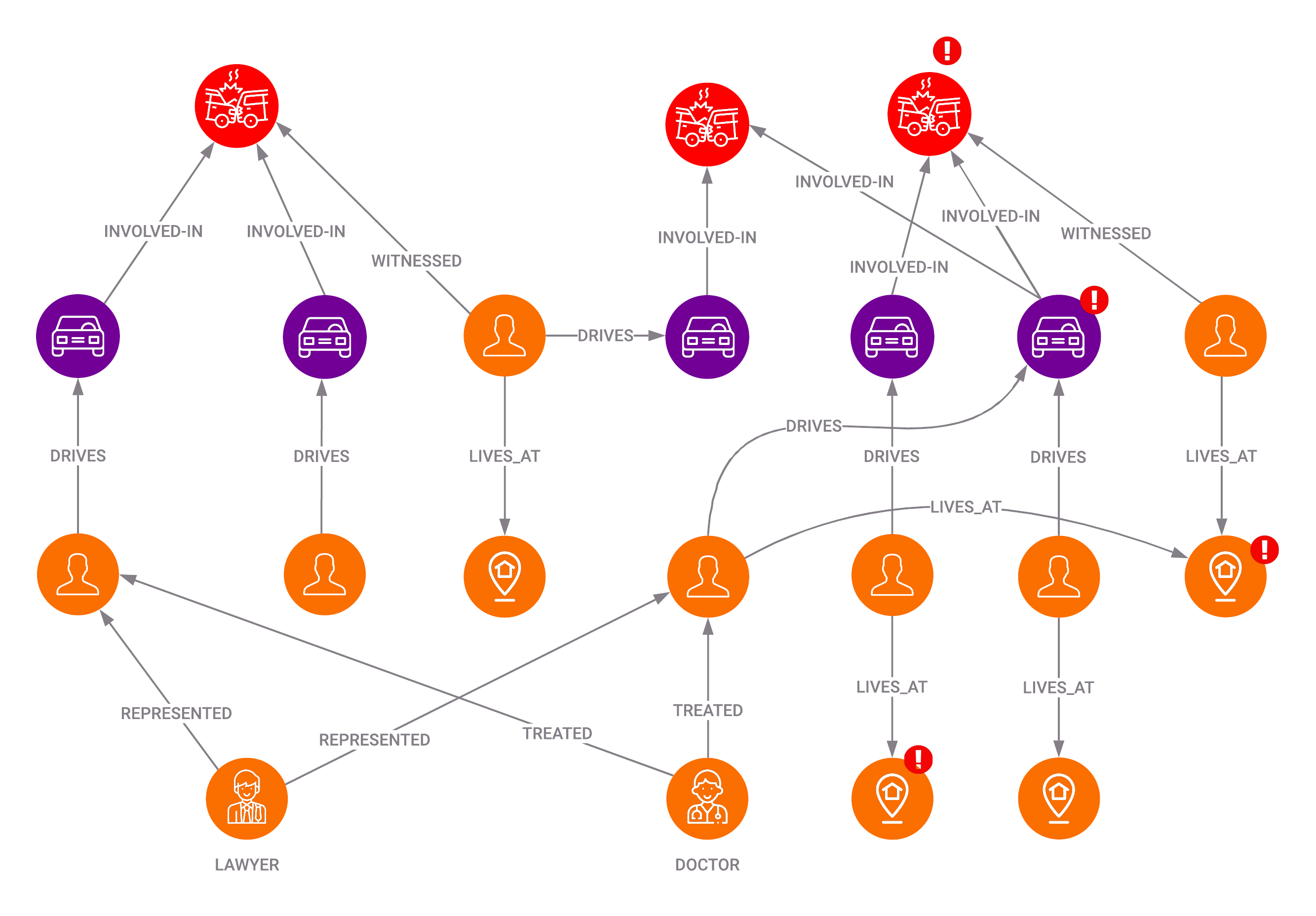
Graph databases model data using a flexible structure of nodes representing entities—like people, products, or locations—and edges defining their relationships, such as "friends with" or "purchased."
[uicm0q]
[q5u392]
[cs87w2]
This native representation avoids the performance bottlenecks of joins in relational databases, allowing queries to traverse vast networks in milliseconds, even with massive datasets.
[3ym2aq]
[4wa3pc]
For instance, in social network analysis, nodes could be users and edges their interactions, enabling quick identification of influencers, communities, or anomalies like bot networks.
[q5u392]
Practical use cases abound. In fraud detection, banks model transactions as graphs to spot suspicious patterns, such as unusual money trails between accounts, reducing financial losses through rapid anomaly detection.
[uicm0q]
[q5u392]
[3ym2aq]
Recommendation systems on e-commerce sites or streaming platforms use graphs to suggest products or content by analyzing user preferences and connections, like "users who bought this also viewed that."
[uicm0q]
[cs87w2]
Healthcare applications, such as New York Presbyterian Hospital's infection tracking, leverage graphs to monitor patient-staff interactions and contain outbreaks proactively.
[d5u18k]
Logistics and routing systems optimize paths by considering dynamic factors like traffic and dependencies.
[uicm0q]
The benefits include superior performance for connected data, flexible schemas that adapt to evolving needs without downtime, and deeper contextual insights from relationship traversal.
[q5u392]
[3ym2aq]
[cs87w2]
They support real-time decision-making in IoT, knowledge graphs, and AI-driven Graph RAG architectures for more accurate outputs.
[uicm0q]
[cs87w2]
However, challenges arise in scenarios with sparse relationships, where relational databases may suffice, and they require expertise in graph query languages like Cypher or Gremlin, plus careful scaling for extremely high-volume graphs.
[3ym2aq]
Current State and Trends
Graph databases are seeing widespread adoption, with key players like Neo4j, Amazon Neptune, Oracle Autonomous Graph, and NebulaGraph leading the market for enterprise solutions.
[uicm0q]
[3ym2aq]
Industries from finance and retail to healthcare and tech giants like Google (using graphs for weather forecasting via DeepMind) rely on them for handling interconnected data in data lakes and warehouses.
[uicm0q]
[d5u18k]
Recent developments include integration with AI and machine learning, where graphs enhance pattern detection in clinical research and network security.
[cs87w2]
[osuxh9]
Market growth is fueled by the explosion of connected data from social media, IoT, and supply chains, with tools emphasizing horizontal scalability and subsecond queries.
[q5u392]
[3ym2aq]
Future Outlook
Looking ahead, graph databases will deepen integration with AI, powering advanced GraphRAG systems and generative models for nuanced predictions in areas like personalized medicine and autonomous systems.
[uicm0q]
[cs87w2]
As data volumes grow, hybrid approaches combining graphs with relational and vector databases will dominate, enabling broader scalability and real-time analytics across edge computing and the semantic web, potentially revolutionizing decision-making, Decision Science in every sector.
[q5u392]
[d5u18k]
Conclusion
Graph databases revolutionize data management by natively capturing relationships for fast, insightful queries in fraud detection, recommendations, and beyond.
[uicm0q]
[3ym2aq]
As interconnected data proliferates, they promise to unlock transformative value across industries.
[cs87w2]