Dynamic Pricing
Defining and Describing Dynamic Pricing
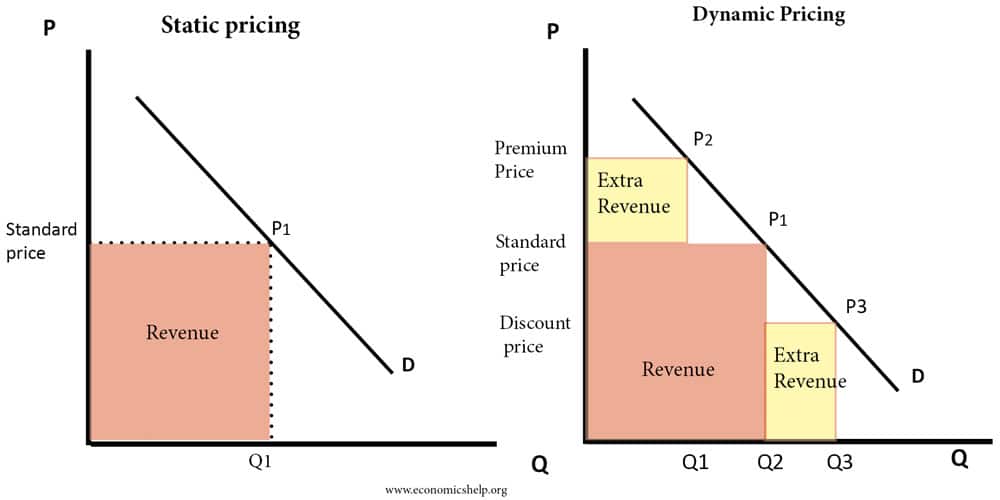
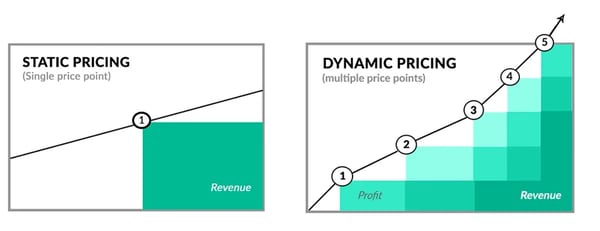
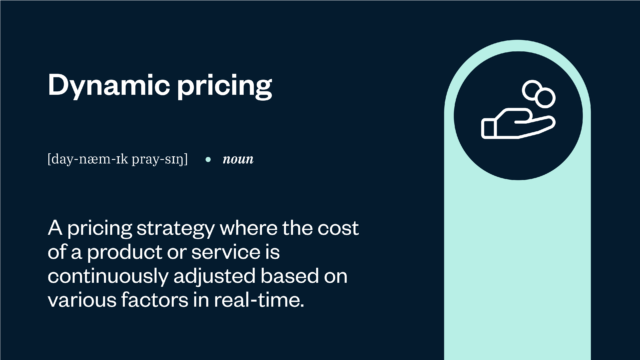
- Dynamic pricing, also called surge pricing or demand pricing, is a revenue management strategy where businesses set flexible prices for products or services based on current market demands, typically raising them during peak periods and lowering during off-peak. [r3ojzh]
- It gained traction with 1990s online commerce, enabling rapid adjustments via digital analytics for factors like supply, demand, competitor prices, and consumer behavior. [gevpk2]
Uses in Context
- In retail and e-commerce, dynamic pricing adjusts prices nearly in real-time based on "dozens of pricing and non-pricing variables" like demand, time, season, location, and weather. [osjg0k]
- Airlines and hospitality employ it for "perishable" inventory like flight seats, raising prices during high demand to maximize capacity use. [5k7wpt]
- Streaming services and subscriptions vary fees by "promotions, location or time of year," while sports tickets shift with "popularity, demand and the resale market." [nec7xm]
- Electricity providers use time-of-use pricing where "rates increase during peak hours and drop during off-peak times." [nec7xm]
- Fast food tests it for "peak dining hours or delivery fees," and gas stations fluctuate based on "oil prices and local competition." [nec7xm]
History of Use
Origins
- Dynamic pricing emerged prominently with the shift to Internet commerce in the 1990s, allowing online retailers to "rapidly change prices in order to maximize profits," moving beyond fixed price tags used in traditional retail. [gevpk2]
- Early adoption involved retailers hiring market analysts to set prices by time or region within a range, rather than predetermined fixed points. [gevpk2]
Evolution
- 2020s: Expanded to real-time autonomous execution across channels, incorporating demand elasticity, inventory, and business guardrails like margin floors. [4t217w]
Best Real-World Examples
Case Studies
Uber popularized surge pricing in the ride-sharing era starting around 2012, algorithmically multiplying fares during demand spikes like bad weather or events to balance supply and incentivize more drivers. This "dynamic pricing" approach, rooted in revenue management from airlines, faced backlash as "price gouging" but boosted efficiency—studies show it reduced wait times by matching supply to peaks, proving the model's welfare benefits in allocating limited resources like driver availability over uniform pricing.
[r3ojzh]
[5k7wpt]
In retail, Competera.ai's dynamic pricing software enables smaller e-commerce players to optimize in real-time using AI on demand elasticity and competitor data, replacing static models with "demand-based pricing" that raises prices during peaks and lowers for slow stock. Adopted by indie retailers since the 2010s, it sustains margins via continuous learning from sales outcomes, demonstrating how startups outpace incumbents by proactively adjusting before shifts, unlike periodic updates in traditional setups.
[osjg0k]
[4t217w]
UK regulators in 2025 examined dynamic pricing across sectors like flights and events, defining it as "prices adjusted rapidly and frequently in response to changing demand conditions," especially for perishable goods. Their project highlighted benefits like better capacity use but called for consumer protections against AI-driven personalization, showing evolution from 1990s online roots to policy scrutiny amid public controversy.
[5k7wpt]