


Database Apps
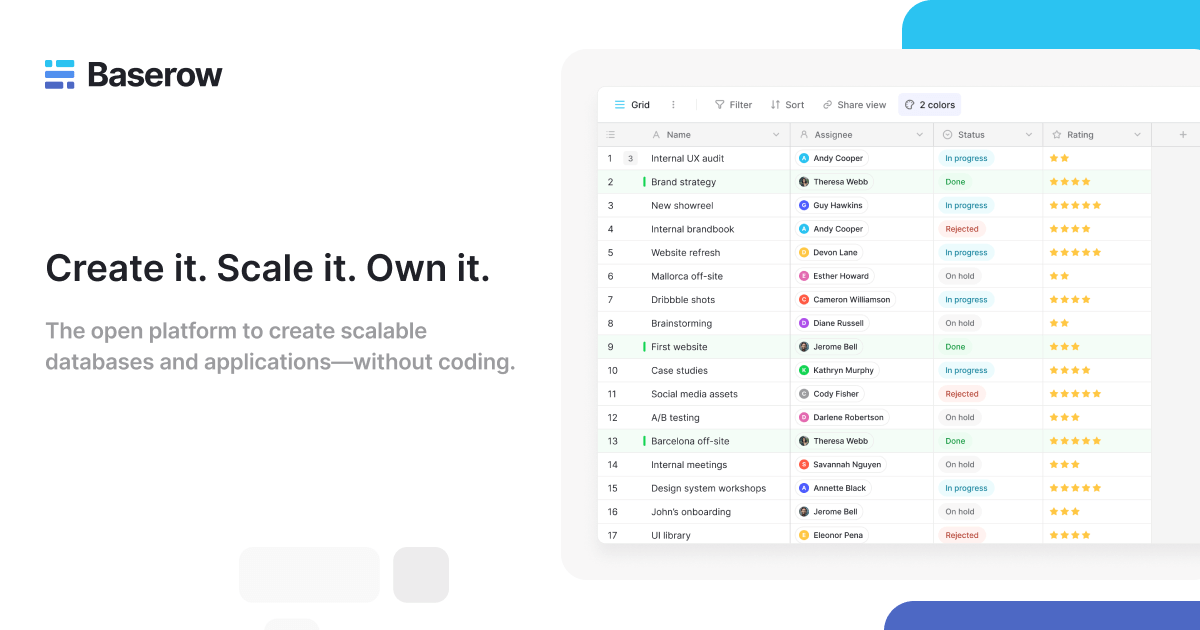

Open source no-code database
baserow.io

NocoDB Cloud
nocodb.com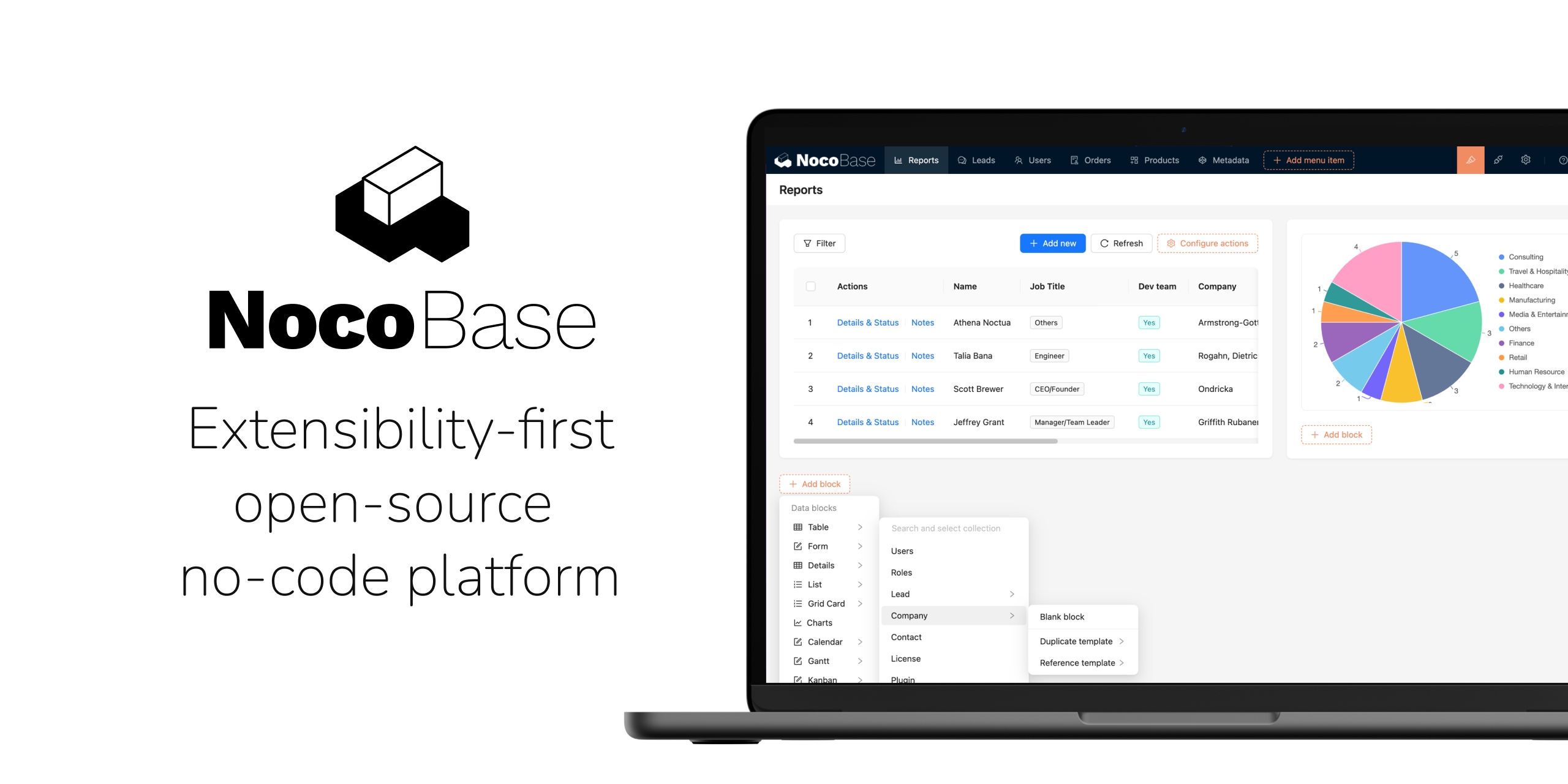

Open source, self-hosted, lightweight no-code & low-code development platform
www.nocobase.com
#1 No Code database builder - Ragic
www.ragic.com
No-Code Database Apps
tadabase.io
.ico)
Low-code backend on Google Cloud and Firebase
www.rowy.ioAirtable-like CMS for Firestore with a low-code platform for Firebase and Google Cloud. Manage Firebase Auth, instant admin panel, build Cloud functions and more. Get started like no-code, fully extensible via code. Rowy is open source and free!
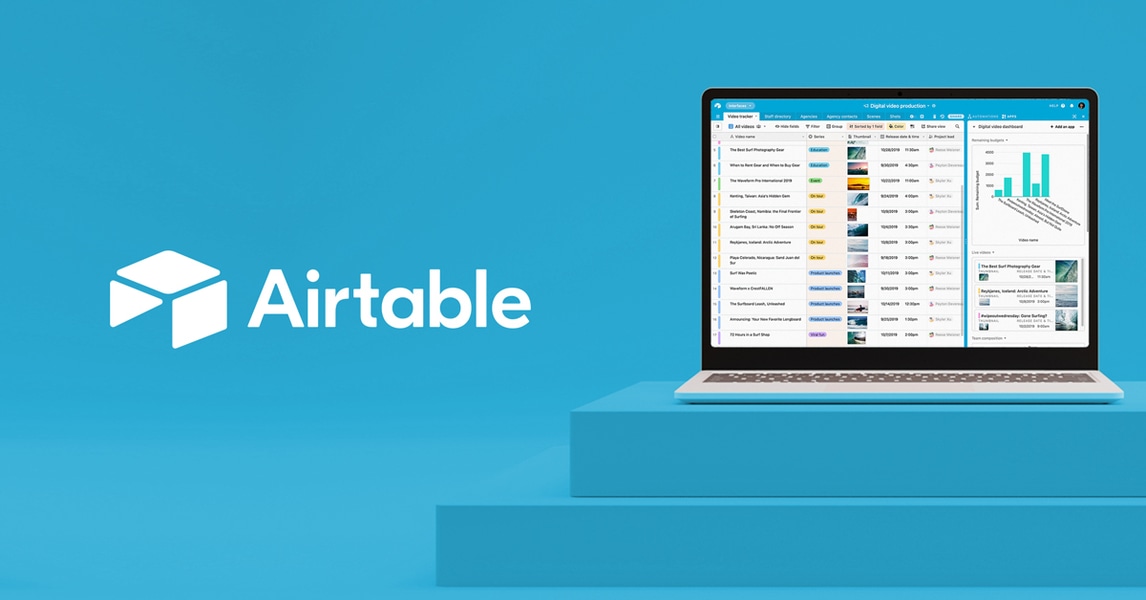
The platform to build next‒gen apps - Airtable
www.airtable.com(2025-12-04T12:00.179Z)
Perplexity Query
(2025-12-04T12:00
.179Z)
Question:
Please explain why Database Apps like Airtable, NocoDB, Baserow, and Tadabase are becoming a default best practice for company building.
Model: sonar-pro
Database Apps as Backend Infrastructure for Rapid Development
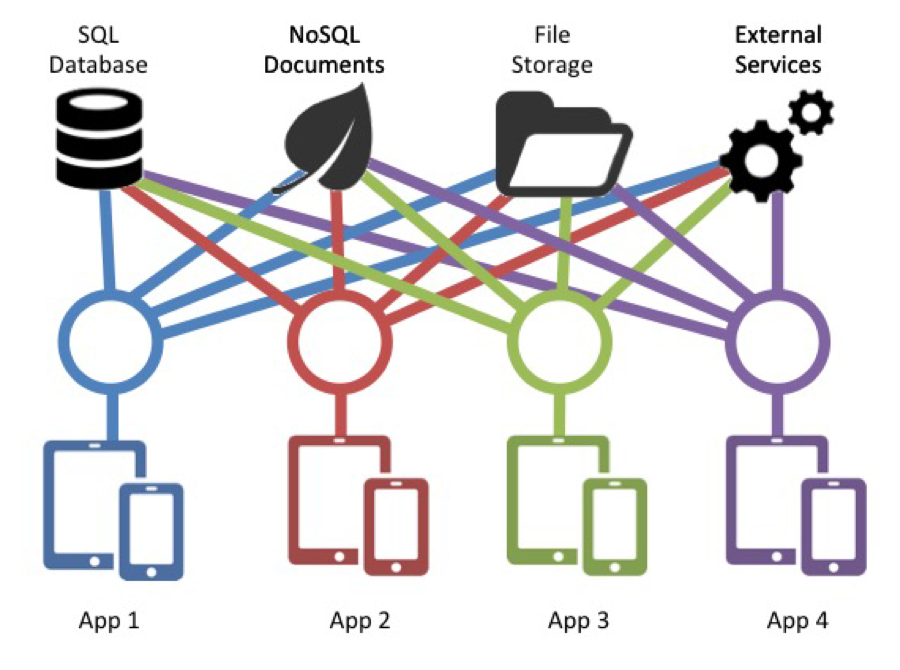
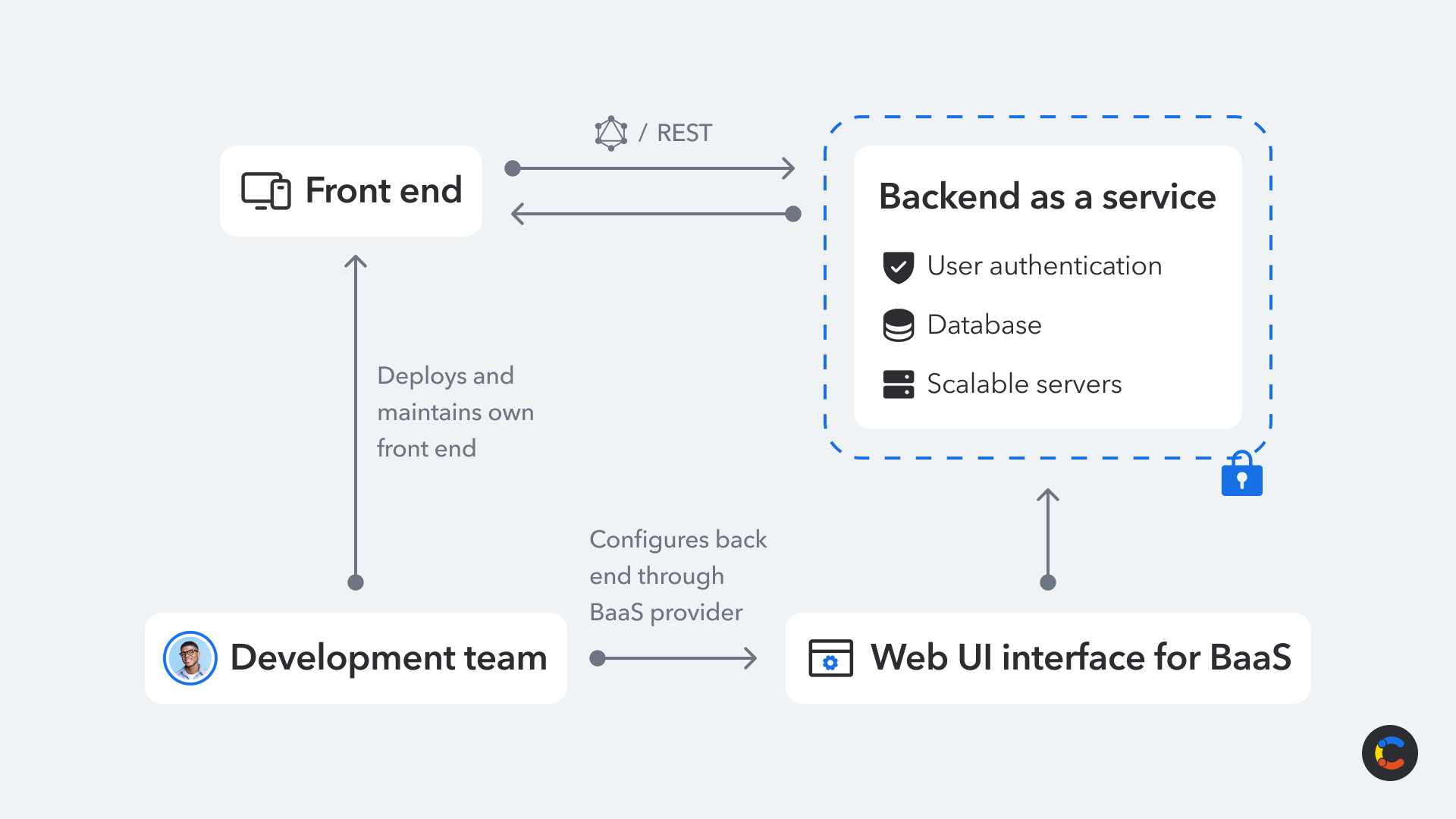
Database applications like Airtable, NocoDB, Baserow, and Tadabase have emerged as pragmatic solutions for early-stage company building because they collapse the traditional separation between frontend and backend development. Rather than requiring teams to architect complex server infrastructure, these tools provide a complete Backend-as-a-Service (BaaS) experience wrapped in an intuitive, visual interface that non-technical stakeholders can also understand and use.
Why Database Apps Have Become Default Practice
Elimination of Backend Complexity
Traditional application development requires developers to handle server configuration, database schema design, authentication systems, and API endpoints—work that diverts attention from building unique product features. Database apps abstract away this entire category of work.
[kgn2px]
By providing prebuilt, managed backend infrastructure, they let teams focus on what actually differentiates their product in the market.
[a2yhjh]
This is particularly valuable for early-stage companies where velocity matters more than architectural perfection.
Speed of Development
The visual, spreadsheet-like interface of database apps removes friction from data modeling. A founder or non-technical product manager can sketch out a data structure without waiting for a backend engineer. The database schema, REST API, and real-time synchronization all materialize instantly—no deployment pipelines, no infrastructure provisioning.
[1e4xht]
This means a team can move from idea to functioning data-driven application in hours rather than days or weeks. For startups operating under time pressure, this acceleration is transformative.
Collaborative Data Management
Database apps are built for teams. Multiple users can collaborate on data, apply permissions, and query information through a centralized interface.
[1e4xht]
This breaks down silos between technical and non-technical team members. Customer success teams can manage data directly, sales can track leads, and founders can monitor metrics—all without requiring database expertise.
Elegant REST APIs and BaaS Capabilities
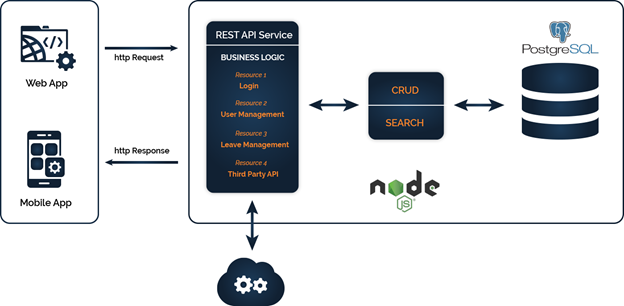
What makes database apps particularly powerful is their sophisticated API layer. Despite their visual simplicity, they expose REST APIs that enable programmatic access to data, making them function as legitimate backend-as-a-service platforms for specific use cases.
[kgn2px]
[1e4xht]
API-First Architecture
Each database app automatically generates REST API endpoints for CRUD operations (create, read, update, delete) on your data. This means frontend developers can build web and mobile applications without ever touching the database directly.
[kgn2px]
Authentication, request validation, and data relationships are all handled through the API layer. Some platforms even support GraphQL, offering more flexible querying than traditional REST.
[kgn2px]
Scalability Within Scope
BaaS platforms handle the operational burden of database management, real-time data synchronization, and storage scaling.
[kgn2px]
For applications processing thousands of requests per day—typical for early-stage companies—these platforms perform admirably. They offer generous free tiers and transparent pricing that scales with usage, eliminating the need for upfront infrastructure investment.
Authentication and Security
Database apps provide built-in user authentication systems, OAuth integration, and role-based access control.
[kgn2px]
This means your application has secure logins and permission hierarchies without developers needing to implement authentication from scratch.
Accelerating Product Development
The practical workflow with database apps typically follows this pattern:
Phase 1: Rapid Prototyping — Sketch your data model in the UI, populate it with test data, and immediately begin building frontend interfaces against the REST API. You have a functional system in days.
Phase 2: MVP Launch — Deploy your web or mobile app connected to the database app's API. Real users interact with your product. No backend team is required.
Phase 3: Iteration — As feedback arrives, modify your data structure and add new features. Changes propagate instantly without deployment complexity. Your frontend team remains unblocked.
This workflow is dramatically more efficient than traditional backend development, where architectural decisions made early often constrain later flexibility. Database apps encourage iterative refinement because the cost of schema changes is minimal.
When to Migrate to Dedicated Backend Infrastructure
Despite their advantages, database apps have genuine boundaries. Companies eventually face scaling limits and feature requirements that demand migration to traditional backend architecture.
Traffic and Throughput Scaling
Database apps typically operate well under moderate load. However, when an application begins handling millions of requests daily, experiences peak traffic patterns that stress the platform's infrastructure, or requires sub-100-millisecond latency globally, the shared infrastructure model of BaaS becomes problematic. Custom backend infrastructure allows you to provision exactly the resources you need and optimize for your specific traffic patterns.
[a2yhjh]
Complex Business Logic
Early in a product's life, most backend operations are simple CRUD work—creating records, querying data, applying permissions. Database apps excel here. But as products mature, backend responsibilities expand. You need background jobs that run asynchronously, complex calculations across millions of records, machine learning model serving, real-time data processing pipelines, or integration with specialized services.
[kgn2px]
At this point, you need serverless functions or custom backend code that can implement arbitrary logic without platform constraints.
Data Complexity and Relationships
Database apps handle basic relational structure well, but excel at storing structured, relatively simple data. If your application evolves to handle deeply nested relationships, graph-like data structures, or requires custom data transformation logic at scale, you'll need more sophisticated database architecture than a managed service typically provides.
Regulatory and Compliance Requirements
Early-stage companies often operate in permissive environments. But regulated industries—healthcare, finance, legal—frequently require data residency guarantees, audit logging, encryption key management, and compliance certifications that BaaS platforms either don't offer or offer at prohibitive cost.
[a2yhjh]
Custom infrastructure allows you to meet these requirements directly.
Economic Efficiency at Scale
BaaS pricing is linear and transparent, which is perfect until you're running at significant volume. At that point, per-request pricing becomes expensive relative to the cost of maintaining dedicated infrastructure. Moving to self-hosted or cloud-native architecture can reduce operational costs significantly.
Vendor Lock-In Concerns
Database apps make it easy to build quickly, but your application becomes dependent on the platform's roadmap, pricing changes, and availability. Companies handling mission-critical workloads often decide that control over their infrastructure is worth the additional complexity.
Practical Migration Path
The transition from database app to dedicated backend doesn't need to be binary. Many companies adopt a hybrid approach: they continue using the database app for certain non-performance-critical workloads while building custom backend services for core functionality. This staged migration reduces risk and allows teams to maintain development velocity while gradually introducing infrastructure complexity only where it's justified.
The rise of database apps reflects a fundamental insight: for most of a young company's life, the biggest bottleneck is product-market fit and validated demand, not technical infrastructure. Database apps remove the infrastructure bottleneck, letting teams focus on the actual constraints. Once those are resolved and the company operates at meaningful scale with specific, predictable workloads, then specialized infrastructure becomes a valuable investment.
Citations
[kgn2px] 2025, Dec 03. What is backend as a service? A guide to developing better apps .... Published: 2025-09-02 | Updated: 2025-12-03
[1e4xht] 2025, Dec 03. restdb.io - Simple online database backend with NoSQL - automatic .... Published: 2016-05-31 | Updated: 2025-12-03
[3]: 2025, Dec 03. What is Backend as a Service (BaaS)? A Beginner's Guide. Published: 2025-02-17 | Updated: 2025-12-03
[a2yhjh] 2025, May 13. What is BaaS? | Backend-as-a-Service vs. serverless - Cloudflare. Published: 2025-01-01 | Updated: 2025-05-13
[5]: 2025, Nov 28. Your Application's Backend, Simplified. Published: 2000-01-01 | Updated: 2025-11-28