Write a comprehensive one-page article about "Customer Satisfaction Score (CSAT)".
Model: sonar-pro
Customer Satisfaction Score (CSAT): Measuring What Matters Most in Customer Experience
Customer Satisfaction Score (CSAT) is a widely used metric that quantifies how satisfied customers are with a company’s products, services, or specific interactions.
[ym9k4y]
[7urwpo]
As a direct reflection of customer sentiment, CSAT scores not only help businesses gauge their service quality but also drive strategic decisions to enhance customer experience and foster loyalty.
[ym9k4y]
[xxuo95]
In a competitive marketplace driven by expectations and reviews, understanding CSAT has become crucial for sustainable growth.
Understanding Customer Satisfaction Score (CSAT)
CSAT is typically measured by posing a simple, direct question to customers—such as "How satisfied were you with your experience?"—immediately following an interaction or purchase.
[f84bqi]
[7urwpo]
Customers respond using a rating scale, usually 1-5 or 1-10, and the average of these responses forms the company’s CSAT score.
[l1q7ss]
[3nqk55]
This approach gives organizations real-time, actionable insight into satisfaction levels at any customer touchpoint. For example, after resolving a support case, a survey might ask: "Rate your satisfaction with the service provided," allowing companies to pinpoint areas where performance excels or lags.
[f84bqi]
[7urwpo]
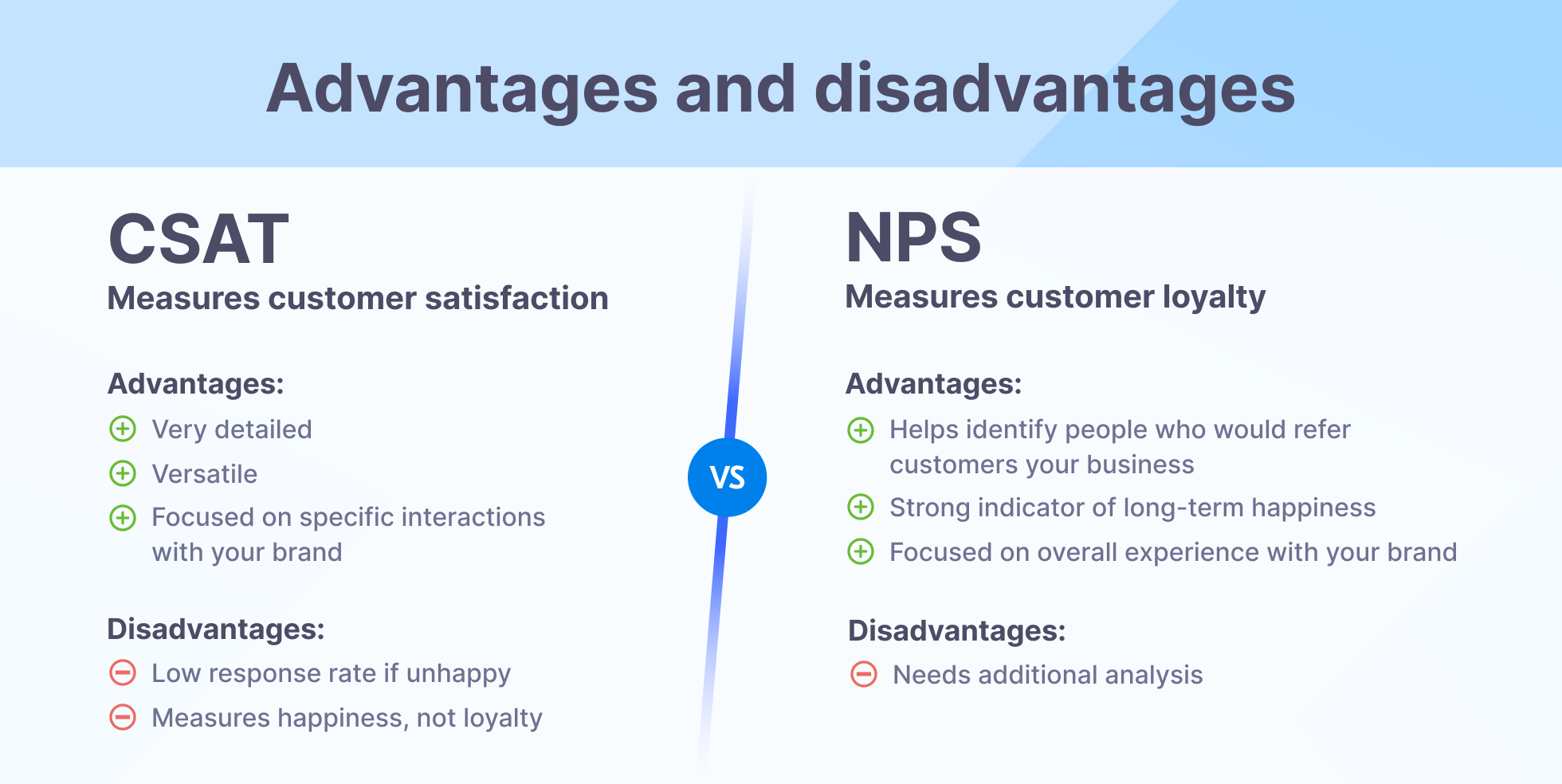
CSAT is valued for its intuitive design and flexibility. Compared to other metrics like Net Promoter Score (NPS) or Customer Effort Score (CES), CSAT can target general impressions or specific experiences, such as product delivery, onboarding, or individual customer service interactions.
[f84bqi]
[7urwpo]
Per-transaction feedback enables companies to track satisfaction trends over time and benchmark against industry standards, facilitating targeted improvements and more personalized customer care.
[xxuo95]
[7urwpo]
Practical Examples and Use Cases
Retailers often use CSAT surveys after a purchase to evaluate checkout speed or product quality. In software companies, CSAT helps monitor user satisfaction following technical support calls, allowing them to refine processes or structure agent training.
[xxuo95]
[f84bqi]
Airlines track CSAT after flight experiences to optimize boarding procedures or inflight services.
High CSAT scores indicate that customers are satisfied and likely to repeat business or recommend the brand; low scores signal friction points that require attention.
[7urwpo]
[xxuo95]
[f84bqi]
For example, if a subscription service sees declining CSAT scores after a policy change, it can revisit the modification or provide additional support, reducing churn and reinforcing loyalty.
Beyond service improvement, CSAT insights can support marketing by revealing what matters most to customers, informing messaging that resonates with the target audience.
[f84bqi]
Segmenting by touchpoints allows granular analysis—identifying whether issues stem from product quality, customer support, or delivery logistics.
Benefits and Applications
Adopting CSAT delivers several benefits:
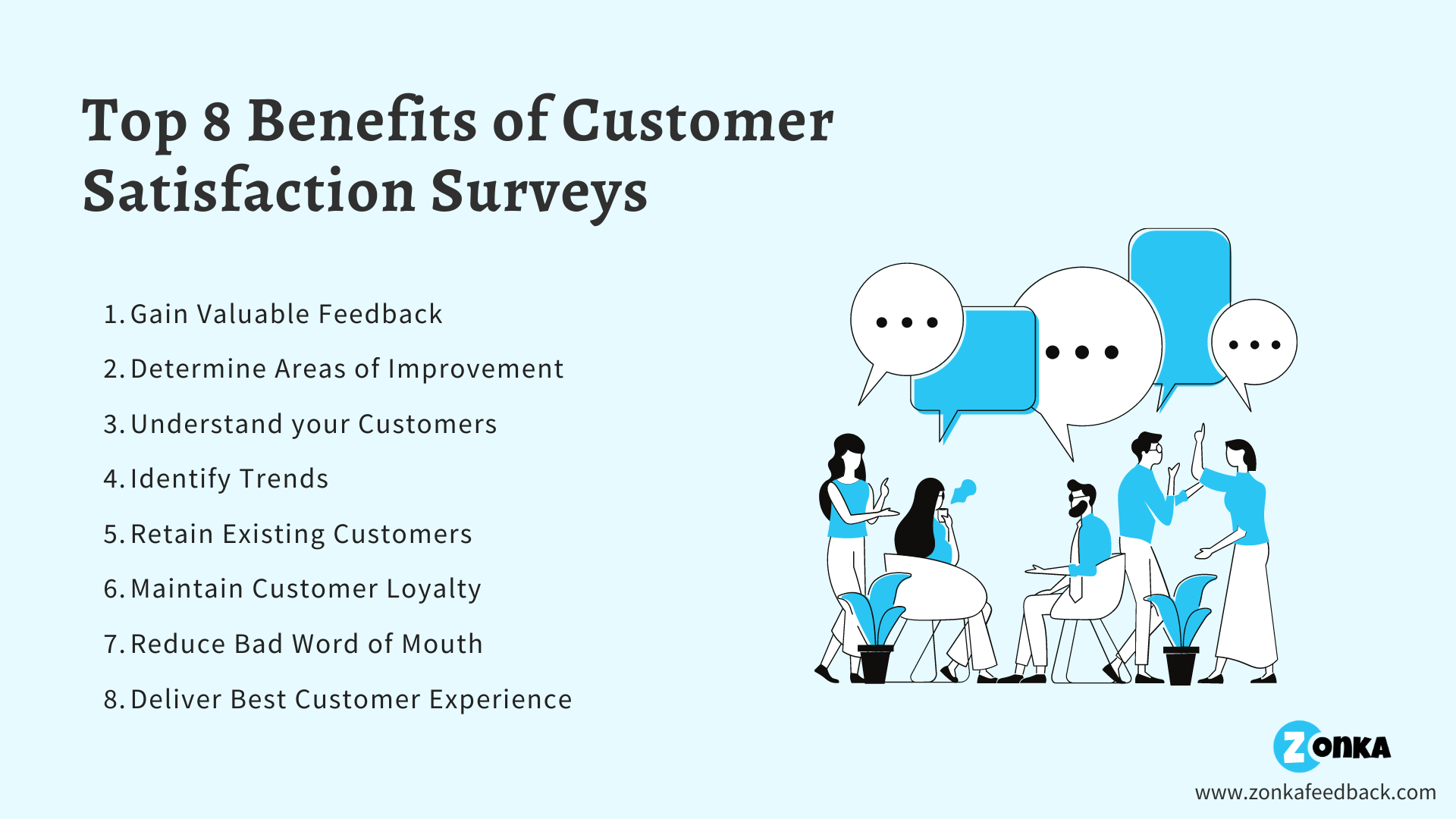
Enhanced Customer Engagement: Proactively tracking satisfaction leads to better service and deeper loyalty.
[ym9k4y]
[xxuo95]
[7urwpo]
Streamlined Operations: Continuous CSAT monitoring enables swift responses to issues, optimizing processes and boosting efficiency.
[xxuo95]
[ym9k4y]
Data-Driven Decision Making: Companies use CSAT data to validate investments, adjust policies, and align interdepartmental priorities.
[xxuo95]
Reduced Churn: Satisfied customers stick around longer, increasing retention and lifetime value.
[7urwpo]
Common applications span industries—retail, telecommunications, hospitality, healthcare, and digital services—where customer experience directly influences reputation and revenue.
[f84bqi]
[7urwpo]
Challenges and Considerations
While CSAT is accessible and powerful, it’s not without limitations. Response bias may affect scores, as dissatisfied customers are often more vocal.
[7urwpo]
Over-reliance on CSAT without context from complementary metrics (like NPS or CES) risks missing deeper causes of dissatisfaction.
[f84bqi]
[xxuo95]
Designing surveys that are clear, relevant, and targeted is essential to avoid misinterpreting results.
Current State and Trends in CSAT
CSAT adoption is widespread, integrated into customer relationship management (CRM), contact centers, and omnichannel feedback platforms.
[l1q7ss]
[tqark4]
Leading technology providers—including Medallia, SurveyMonkey, Five9, and Retently—offer advanced tools for capturing, analyzing, and visualizing CSAT data.
[ym9k4y]
[l1q7ss]
[3nqk55]
Recent developments include AI-powered sentiment analysis, real-time dashboards, and automated feedback loops, which enable organizations to act on CSAT results instantly and personalize responses at scale.
[tqark4]
[jf3ext]
Companies are increasingly supplementing CSAT with behavioral analytics and social listening to gain a holistic view of satisfaction.
[f84bqi]
[xxuo95]
The Future of CSAT
Future trends point to integration with predictive analytics, machine learning, and conversational AI, making satisfaction scoring even more intelligent and adaptive.
[jf3ext]
[tqark4]
As customer expectations evolve, CSAT will incorporate richer data—voice, text, and video feedback—delivering actionable insights with greater accuracy and speed. The metric’s continued relevance is likely as companies invest in hyper-personalized experiences and proactive issue resolution.
In today’s experience-driven economy, Customer Satisfaction Score (CSAT) stands as a cornerstone of business success. Tracking and improving CSAT empowers organizations not just to meet, but to continually exceed customer expectations, securing a loyal and growing customer base for the future.