


CPUs
Defining and Describing CPUs
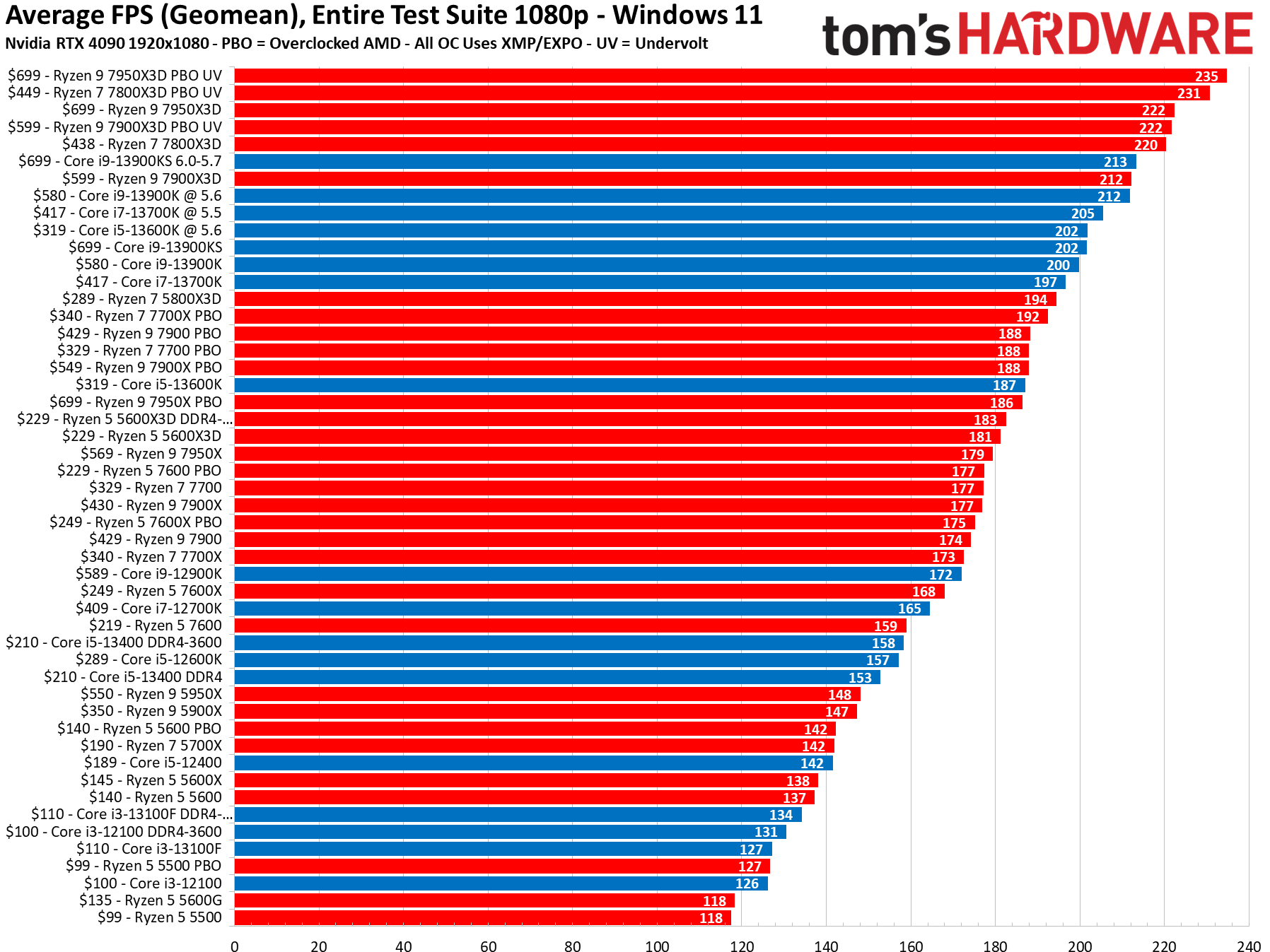
A CPU (central processing unit) is the main chip that executes instructions and coordinates a computer’s work, so it is the core “processor” people usually mean when they talk about compute power in a product or startup stack.
[grp84z]
[aj8179]
A CPU matters in innovation contexts because it is one of the baseline constraints on product performance, battery life, thermal design, cloud cost, and what kinds of workloads a device or service can realistically support.
[grp84z]
[aj8179]
[jjv7ds]
The term applies to the processor that runs applications and operating systems, not to memory like RAM or to storage devices, and it also appears in cloud infrastructure where “vCPU” is used as a billing and allocation unit.
[aj8179]
[jjv7ds]
In startup and consulting discussions, “CPU” usually signals hardware capability, infrastructure sizing, or performance bottlenecks rather than a business role or organizational title.
[aj8179]
[jjv7ds]
Disambiguation
Primary sense — the innovation-consulting sense
A CPU is the central processing unit: the main processor that runs instructions, applications, and operating systems.
[grp84z]
[aj8179]
- It is commonly described as the “brain” of the computer, but that is a metaphor for its coordinating role, not a claim that it stores all data or replaces RAM. [aj8179]
- It is not the same as RAM; RAM is temporary memory, while the CPU performs computation and instruction handling. [aj8179]
- In cloud platforms, CPU capacity is often abstracted as vCPUs, where a virtual CPU represents a hardware thread or, on some machine series, a core. [jjv7ds]
Other senses
1. CPU as a generic “processor” label in product marketing
In consumer and enterprise hardware, “CPU” is often used loosely to mean the processor line or chip family inside a device.
[aj8179]
[as8d88]
[snj90c]
Etymology and Origin
- In cloud computing, the term was extended into vCPU as a capacity unit tied to hardware threads or cores, depending on the platform. [jjv7ds]
Adjacent Vocabulary
- Antonyms: RAM — temporary working memory, not computation; storage — persistent data holding, not instruction execution; GPU — specialized parallel processor, not the general-purpose system CPU.
Usage in Practice
- “A central processing unit (CPU) is the main processor that runs a computer's applications and operating systems.” [aj8179]
- “The CPU, also known as the processor, gives the computer instructions to perform.” [aj8179]
- “The functions of CPU involve processing instructions from programs and controlling all operations within the computer.” [grp84z]
- “The machine type determines what CPU platform the compute instance runs on.” [jjv7ds]
- “On Compute Engine, each hardware thread is called a virtual CPU (vCPU).” [jjv7ds]
- “AMD EPYC™ Server Processors let you accelerate time-to-value across a wide range of workloads and industries.” [as8d88]
- “Unlock more with Intel® Core™ Ultra Series 3 Processors.” [snj90c]
Common Misuses
- Using CPU to mean RAM or “overall speed” is imprecise; the better term is memory or system performance, depending on the bottleneck. [aj8179]
- Treating vCPU as identical to a physical core is misleading; the better term is virtual CPU allocation or hardware thread when discussing cloud instances. [jjv7ds]
- Using CPU to refer to a full server or cloud instance is sloppy; the better term is machine type, instance, or processor platform. [jjv7ds]