Write a comprehensive one-page article about "Contract Lifecycle Management".
Model: sonar-pro
Contract Lifecycle Management: Optimizing Agreements for Modern Business
Contract Lifecycle Management (CLM) refers to the comprehensive process of overseeing a contract from its initial request through drafting, negotiation, execution, performance, amendment, renewal, and ultimately, expiration or termination. As businesses manage ever-increasing volumes and complexity of agreements, CLM has become critical for ensuring compliance, reducing risk, and achieving strategic value in every contract.
[cxpw2s]
[9kcilr]
Effective CLM helps organizations gain visibility, control, and efficiency across the entire contract portfolio, establishing the foundation for sound business relationships and profitability.
[tcx961]
[hsmf8c]
Understanding Contract Lifecycle Management
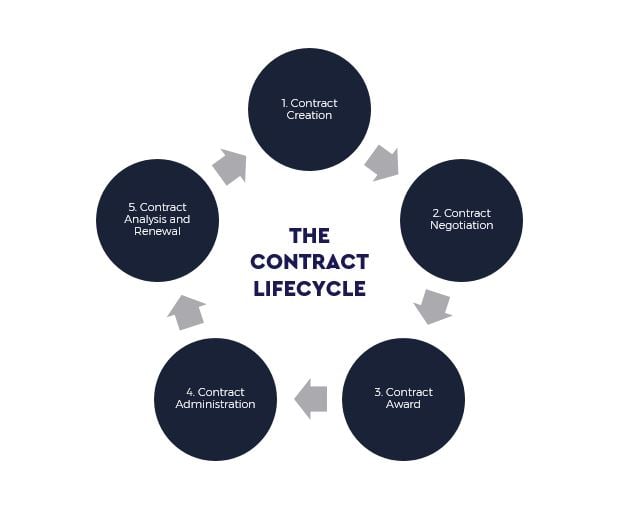
At its core, CLM encompasses all activities required to create, approve, execute, track, renew, and archive contracts. The typical stages include intake or request, authoring, negotiation, review and approval, execution (often with e-signature), performance monitoring, amendments, renewals, and closeout.
[cxpw2s]
[9kcilr]
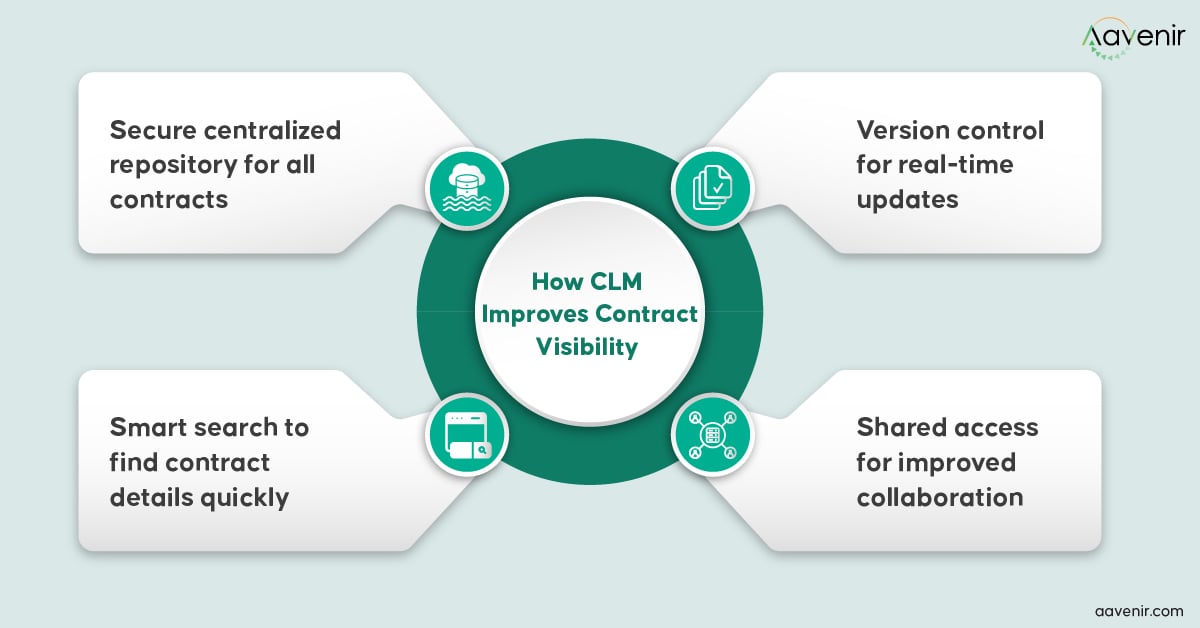
Advanced CLM systems automate key steps, enforce policy compliance, and provide a central repository for all contract documents.
Practical examples illustrate the versatility of CLM:
In procurement, a company can automate the tracking of supplier agreements, ensuring service level agreements (SLAs) are met and renewal opportunities identified well in advance.
[hsmf8c]
For sales teams, CLM systems facilitate the generation of complex customer agreements using pre-approved templates, streamline multi-level approvals, and enable real-time status tracking—directly supporting faster deal closure.
[oyh4r2]
In finance, access to up-to-date contract data aids accurate forecasting, spend analysis, and timely budget planning.
[cy56w3]
Use cases span industries: healthcare firms manage compliance with shifting regulations, technology companies accelerate software license renewals, and manufacturing businesses optimize supply chain contracts for cost savings and risk mitigation.
[hsmf8c]
[cy56w3]
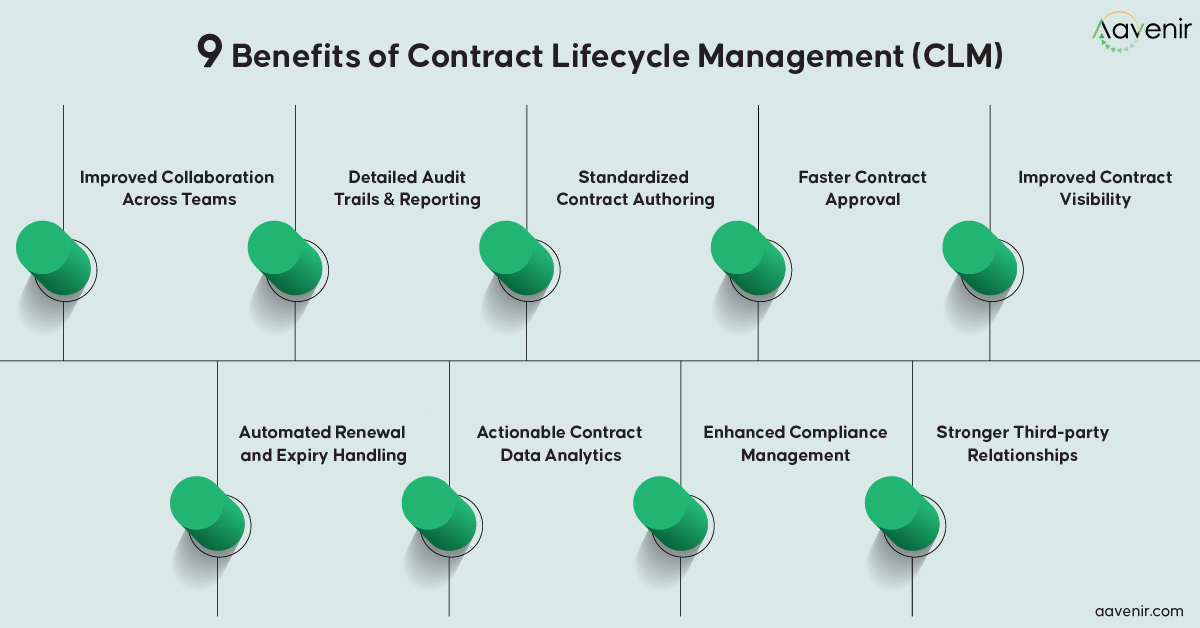
Benefits of adopting a robust CLM solution include:
Reduced administrative effort and contract cycle times
Automated compliance alerts and audit trails for regulatory adherence
Improved visibility and collaboration for all stakeholders through centralized, searchable repositories
Data-driven decision making enabled by analytics dashboards measuring contract performance and identifying bottlenecks
[tcx961]
[cy56w3]
[oyh4r2]
However, organizations may encounter challenges such as change management, system integration complexity, and the need for consistent data and process standards. Success often depends on aligning CLM software with existing business processes, investing in training, and ensuring ongoing executive sponsorship.
[tcx961]
[hsmf8c]
Current State and Emerging Trends in CLM
CLM adoption is accelerating as organizations seek to digitize and automate mission-critical processes. The market features a range of vendors, including Icertis, SAP Ariba, DocuSign CLM, and Salesforce, offering feature-rich platforms that integrate with core enterprise systems.
[cxpw2s]
[9dndae]
[9kcilr]
Increasingly, CLM solutions employ artificial intelligence (AI) to extract critical data, assess risk, suggest optimal contract clauses, and provide actionable insights for negotiation or renewal strategies.
[hsmf8c]
Recent trends include:
Deeper integration of CLM with enterprise resource planning (ERP) and customer relationship management (CRM) systems
No-code automation, enabling business users to design workflows without IT intervention
Cloud-based, mobile-accessible solutions for greater flexibility and real-time collaboration
Expansion of analytics and AI capabilities for continuous contract optimization
[hsmf8c]
[9dndae]
According to industry studies, companies leveraging advanced CLM technology realize up to 80% reduction in administrative time, faster contract generation, and substantial risk avoidance compared to manual methods.
[cy56w3]
Future Outlook
The future of CLM will likely see even greater adoption of AI and machine learning to automate contract analysis, flag risks proactively, and support predictive decision-making. Integration with emerging technologies—such as blockchain for secure, immutable contract records—is expected to further enhance trust and transparency. As businesses place greater emphasis on compliance, speed, and risk management, CLM will become a cornerstone of operational resilience and value creation.
[hsmf8c]
[cxpw2s]
In summary, Contract Lifecycle Management empowers organizations to manage agreements more efficiently, mitigate risk, and drive business value across every stage of the contract journey. As digital transformation accelerates, investing in robust CLM practices and technology will be vital for success in a connected, compliance-driven world.