Write a comprehensive one-page article about "Chronotypes".
Model: sonar-pro
Chronotype is a term describing an individual's natural propensity to be active and alert at specific times of the day, primarily influenced by their circadian rhythm and genetic factors.
[906thy]
[lii9eu]
[ao5dmx]
This biological "clock" not only governs sleep-wake patterns but also impacts cognitive function, productivity, and overall well-being.
[hamt95]
[zippl4]
Understanding chronotypes is increasingly significant in a world where personal optimization for health and performance is prioritized.
What Are Chronotypes?
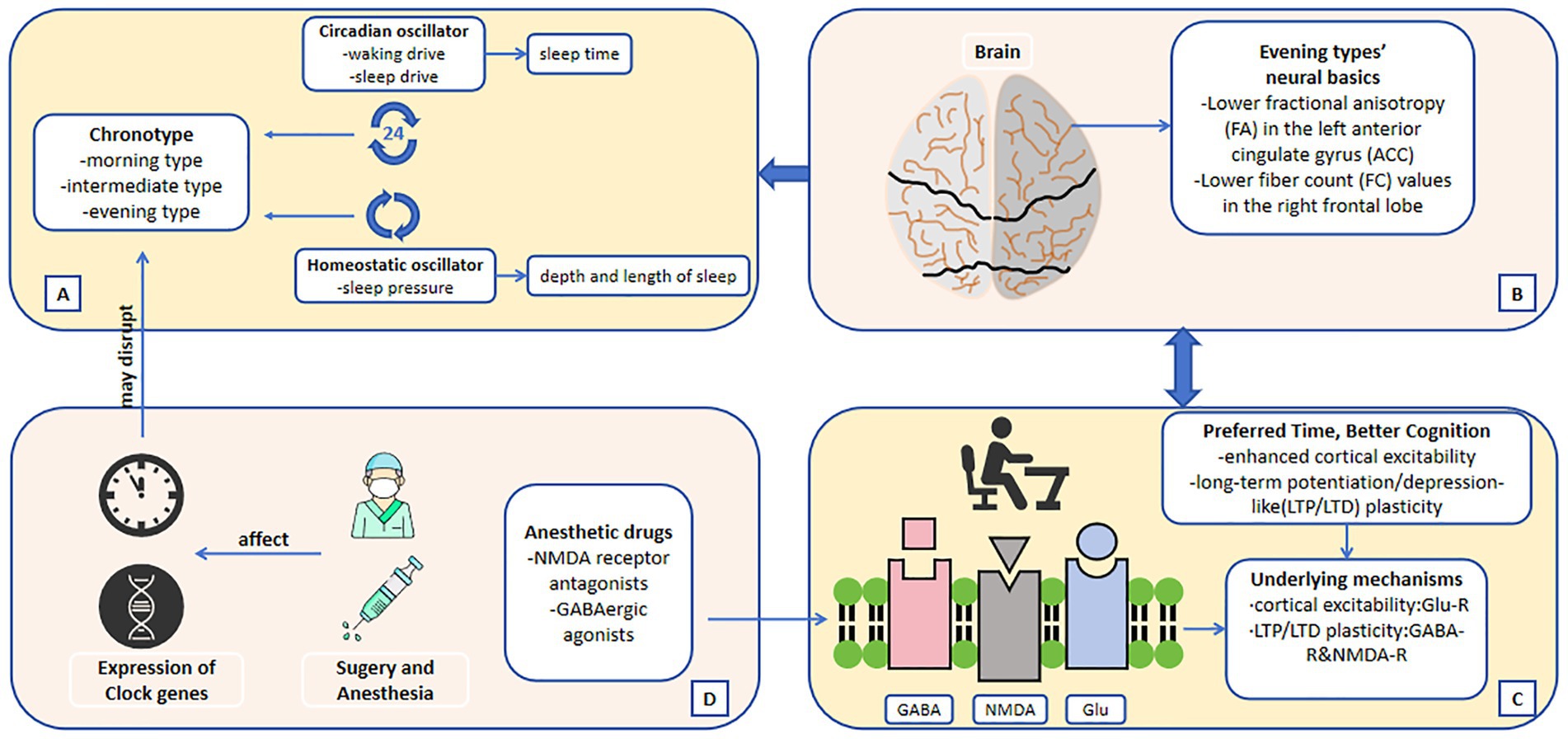
Chronotypes reflect whether a person is naturally inclined to be a "morning lark," "night owl," or somewhere in between.
[ao5dmx]
[lii9eu]
The classic categories are:
Morning type ("lark"): Energetic and focused in the early hours, typically winding down by evening.
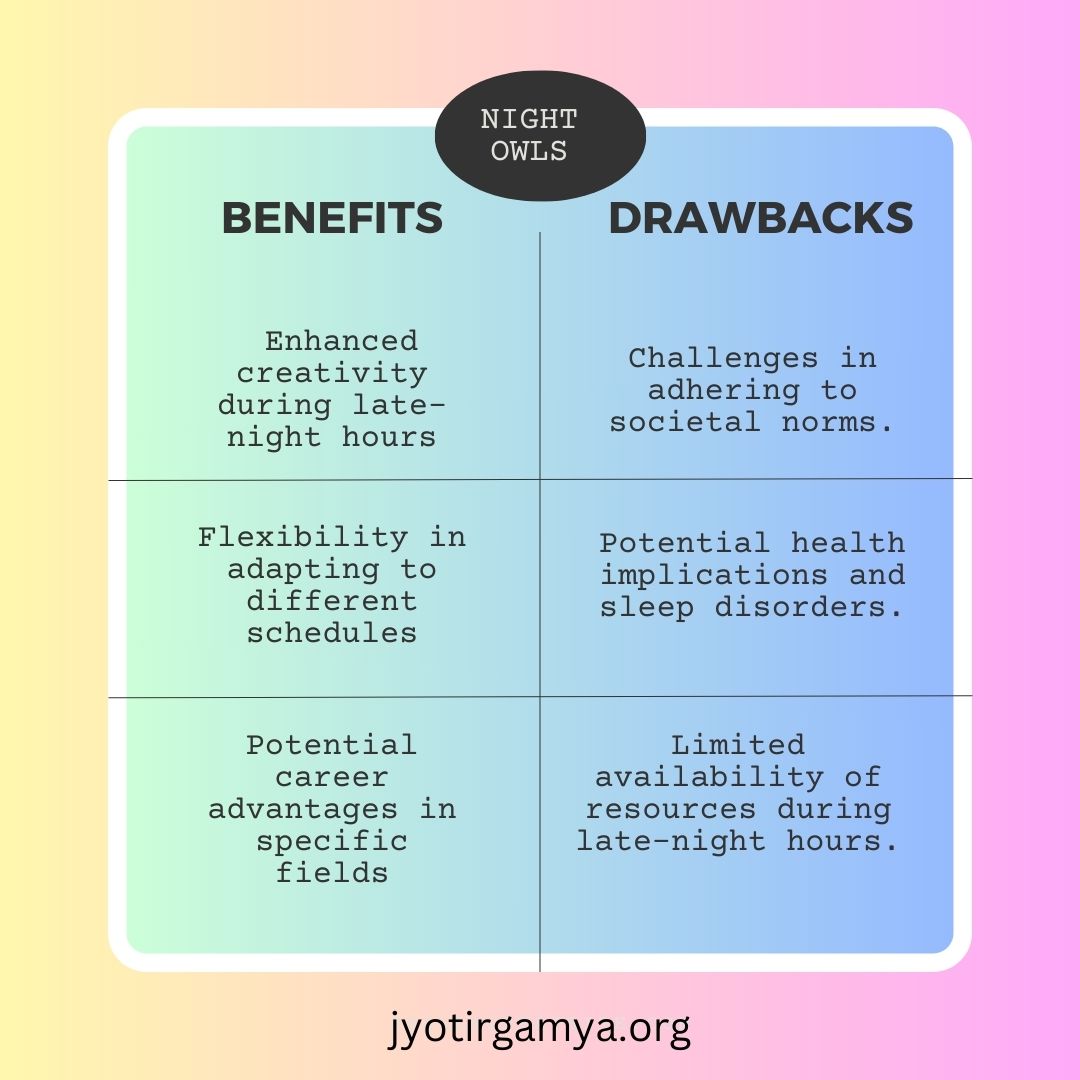
Evening type ("owl"): Most alert and productive in the late afternoon or night, with mornings as a sluggish period.
Intermediate type: Displays more balanced energy throughout the day.
These patterns arise from complex interactions between the brain’s suprachiasmatic nucleus (SCN), which regulates hormones like melatonin, and environmental factors like light exposure.
[lii9eu]
Your chronotype is largely genetically determined but can shift with age or lifestyle changes.
Practical Examples and Use Cases
Chronotype profoundly impacts daily functioning. For instance, morning types generally perform best in early meetings, academic tests, or athletic events scheduled at sunrise.
[7chi6b]
[hamt95]
Conversely, evening types excel at creative or detail-oriented tasks later in the day.
[75xfm8]
[zippl4]
Schools and workplaces increasingly acknowledge chronotypes by offering flexible scheduling. In healthcare, chronotype awareness helps optimize medication timing, meal planning, and exercise routines to maximize benefit and minimize side effects.
[906thy]
[cp6dvc]
Moreover, scheduling activities in alignment with one's chronotype improves sleep quality, mood, and reduces risk of burnout and chronic illnesses associated with sleep disruption, such as obesity, diabetes, and cardiovascular issues.
[906thy]
[lii9eu]
[cp6dvc]
Benefits and Potential Applications
Recognizing and respecting individual chronotypes offers several advantages:
Improved productivity and academic achievement through tailored scheduling.
[7chi6b]
[o6goi0]
Enhanced sleep and mental health—proper alignment with chronotype reduces sleep debt and related mood disturbances.
[906thy]
[lii9eu]
Greater adherence to healthy habits, as exercise and meals timed to match natural energy peaks are easier to maintain.
[906thy]
However, misalignment between societal demands and personal chronotype presents issues. School start times and traditional work schedules often disadvantage evening types, leading to chronic sleep deprivation and health consequences.
[lii9eu]
Variability exists within chronotypes, with age, gender, and genetics influencing shifts over time.
[7chi6b]
Further, large-scale adoption of chronotype-based scheduling faces logistical and cultural barriers.
Current State and Trends
Awareness of chronotypes is growing in sectors such as education, occupational health, and digital wellness.
[zippl4]
[o6goi0]
Sleep apps and wearables increasingly offer chronotype assessments, while organizations like Sleep Foundation and major research hospitals publish guidelines for chronotype-based optimization.
[ao5dmx]
[zippl4]
Key players include health tech companies developing chronotype-driven productivity tools, and employers piloting flexible work policies that account for individual sleep-wake profiles.
[o6goi0]
The field sees continuous research, with neuromodulation technologies (like transcranial direct current stimulation) demonstrating enhancement of cognitive performance when activities are scheduled at chronotype-preferred times.
[75xfm8]
Recent studies highlight the link between chronotype and mental health, cognitive ability, and even personality traits, suggesting wider applications in psychology, education, and personalized medicine.
[75xfm8]
[906thy]
Future Outlook
Chronotype research is set to influence broader societal norms around productivity, education, and healthcare. Advances in wearables and AI promise real-time chronotype tracking, allowing dynamic daily schedules personalized to each individual’s optimum performance window. Over time, chronotype-informed systems may reduce mental health disparities, improve workplace outcomes, and enable truly individualized wellness strategies, ultimately reshaping day-to-day life for millions.
Chronotype, the biological preference for activity patterns, is increasingly recognized as a key to optimizing sleep, performance, and health. As science and technology converge, tailoring routines to chronotypes may soon become a mainstream strategy for achieving whole-person well-being and productivity.
The popular science book you’re referring to is “The Power of When” by Dr. Michael Breus, which categorizes chronotypes (sleep patterns) using animal analogies based on the latest science in the field[2][4]. This book remains influential and frequently cited in ongoing chronotype research and sleep resources through 2025[3][4].
Animals Used for Chronotypes
Bear: Represents the most common chronotype, aligning with natural sleep-wake cycles and daylight. Bears wake and sleep with the sun, being most productive mid-day[4].
Lion: The early riser, energetic in the morning and winding down early in the evening, analogous to those who like to accomplish tasks first thing[4].
Wolf: Night-oriented individuals, creative and productive in late hours, similar to the "night owl" concept[4].
Dolphin: Corresponds to people who have fragmented, sensitive sleep and often struggle with insomnia. Dolphins sleep with one half of their brain awake, serving as a metaphor for restless sleepers[2][4].
These animal analogies were selected because each matches a distinct chronotype and because mammals make intuitive metaphors for human sleep patterns[2][4].
Book Details and Impact
The key book is “The Power of When” by Dr. Michael Breus, first released a few years ago but still highly relevant and cited in recent sleep science discussions[2][4].
Ongoing coverage through scientific literature and popular sleep resources confirms these four animal types as the definitive chronotype models for the majority of the population[3][4].
In summary, the animals used for chronotype analogies are Bear, Lion, Wolf, and Dolphin—each matching distinct genetic sleep patterns and behavioral tendencies[2][4][3].