


Build-to-Suit Development
Defining and Describing Build-to-Suit Development
-
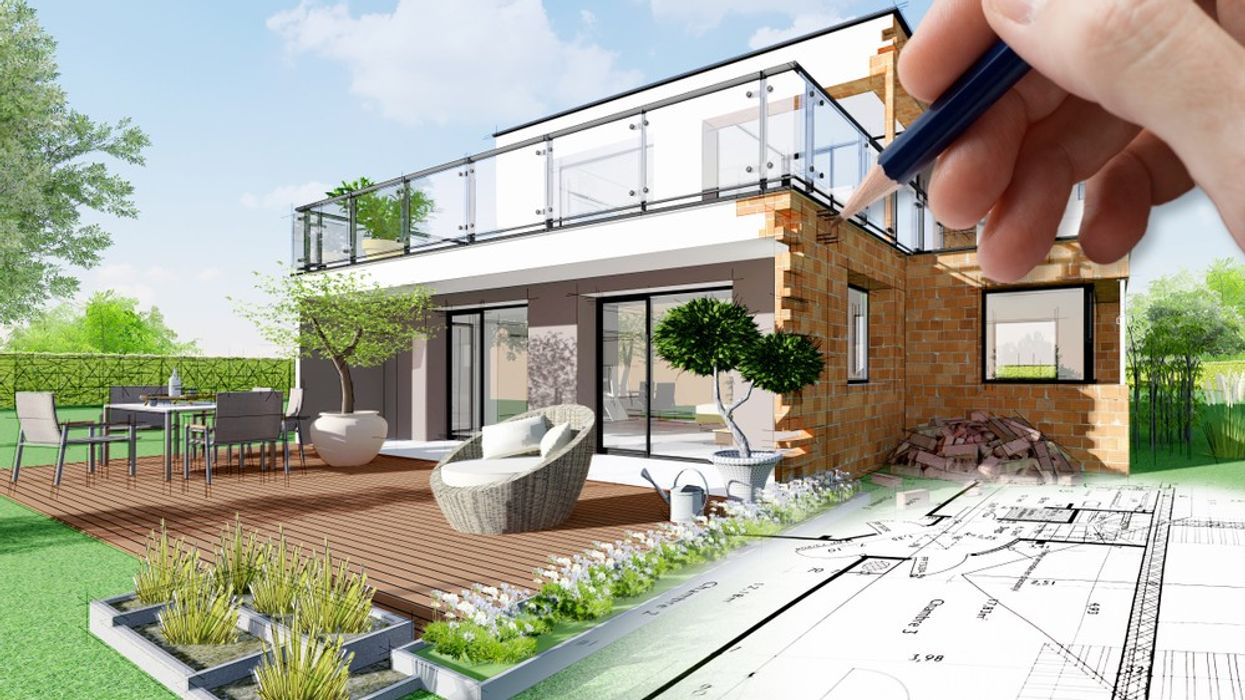
- Build-to-suit development turns a tenant’s operating requirements into a purpose-built facility rather than forcing the tenant into an existing building. [1][2]
- In a typical arrangement, a developer or landlord acquires or controls the site, finances and manages design and construction, and leases the completed property to the identified tenant under a long-term agreement.[1][2][6]
- The model applies when a tenant needs specialized physical, technical, logistical, or utility specifications that conventional inventory cannot adequately provide.[2][7][10]
- The tenant commonly commits to the lease before construction begins, making the project financeable and transferring much of the development execution to the landlord or developer.[9][12]
- Build-to-suit development is especially relevant to industrial facilities, manufacturing plants, logistics warehouses, healthcare buildings, and data centers, where power, equipment integration, loading, security, and operational flows require customization.[5][7][10]
flowchart LR
A["Tenant requirements"] --> B["Site selection"]
B --> C["Concept design"]
C --> D["Lease and development agreement"]
D --> E["Financing and permitting"]
E --> F["Construction and equipment integration"]
F --> G["Commissioning and handover"]
G --> H["Long-term occupancy"]
Uses in Context
- In industrial real estate, the term describes a warehouse or production facility designed around a particular tenant’s dimensions, process flows, clear heights, dock requirements, utilities, and expansion plans.[1][2][7]
- In commercial leasing, “build-to-suit lease” refers to an agreement in which the developer constructs the building to the tenant’s specifications and leases it back after completion.[6][12]
- In finance and corporate real estate, the model is invoked as a way to obtain a customized facility while preserving the tenant’s capital for core operations, because the developer or investor typically funds the land and construction.[4][14]
- In lease accounting and risk allocation, build-to-suit arrangements are distinguished from ordinary leases because the contract governs both pre-construction obligations and the later occupancy period.[9]
- In data-center development, the model is used when a tenant requires a facility tailored to its exact capacity, power, cooling, security, and network requirements.[5]
History of Use
Origins
- The available search results do not identify a definitive first academic paper, book, or individual who coined the phrase “build-to-suit development.” They consistently describe it as an industry term for developing a property from scratch for an identified tenant.[7][11][15]
- The underlying practice is defined by a pre-construction commitment: the tenant specifies the facility program, the developer arranges land, financing, design, and construction, and the tenant leases the completed building.[1][6][12]
- The phrase is therefore best treated as a real-estate and development convention that evolved from customized commercial construction and long-term leasing, rather than as a concept attributable to a single documented inventor.[1][7][11]
Evolution
- Pre-construction customization: The model developed around facilities designed for one known occupant, with the tenant and developer agreeing on the building program before construction begins.[7][9]
- Institutionalized financing structure: Modern build-to-suit transactions commonly combine a development or construction agreement with a long-term lease, allowing the developer or investor to underwrite construction against the tenant’s commitment.[9][12][14]
- Expansion into technical infrastructure: The model has increasingly been applied to specialized facilities such as data centers and industrial plants, where tenant-provided equipment, utility capacity, commissioning, and operational validation must be coordinated during construction.[5][10]
Best Real-World Examples
- Oppidan 5MW Data Center — a data-center project in which Oppidan served as landlord and financed and developed a facility tailored to a tenant’s exact requirements.[5]
- Link Logistics build-to-suit warehouses — industrial facilities developed through needs assessment, site evaluation, concept design, permitting, construction, and long-term leasing.[2]
- Hansen-Rice custom industrial facilities — facilities programmed around process flow, utilities, tenant equipment, commissioning, and a tenant-funded operating structure after delivery.[10]
- AI Real Estate industrial build-to-suit projects — manufacturer-specific facilities financed, designed, and constructed by a developer-landlord, often inside a serviced industrial park.[3]
- W. P. Carey developer-led build-to-suit model — a capital-partner structure in which a developer handles land and construction while an investor finances or acquires the completed property for long-term tenant occupancy.[14]
- CoBouw tailor-made warehouses — developments created from land acquisition through design, construction, and handover for the individual requirements of a specific tenant.[11]
Case Studies
Oppidan 5MW Data Center
Oppidan developed a 5-megawatt data center as landlord in partnership with a tenant, using the build-to-suit model to tailor the facility from the ground up to the tenant’s exact needs.[5] The project illustrates how build-to-suit development extends beyond conventional warehouses into digital infrastructure, where capacity, power, cooling, security, and network design can determine whether a facility is operationally viable. It also demonstrates the central economic exchange: the developer assumes responsibility for financing and delivery while the tenant commits to occupying a purpose-built asset.[5]
Custom Industrial Facility with Integrated Tenant Equipment
The Hansen-Rice model begins by defining process flow, utilities, wastewater, gas, site constraints, and other facility-specific requirements before moving through site selection, conceptual design, budgeting, permitting, detailed design, construction, and commissioning.[10] Tenant-provided equipment can be integrated during construction so that the building is operational at lease commencement.[10] This shows that a build-to-suit is not merely a customized shell: for manufacturing and other technical users, it is a coordinated delivery system linking real-estate development with production readiness.[10]
Build-to-Suit Warehouse Development
Link Logistics describes a process beginning with an internal needs assessment, followed by broker and developer engagement, site feasibility, concept design, lease proposal, permitting, and construction.[2] The completed facility is then leased to the tenant, often under a triple-net structure in which the tenant pays property taxes, insurance, and maintenance in addition to base rent.[2] The case illustrates the tradeoff at the heart of the model: the tenant receives a facility aligned with its operating requirements, while accepting a long-term commitment and substantial responsibility for occupancy-related costs.[2]
Sources
[1]: Build-to-Suit vs Lease for Industrial Facilities: A Total Cost Comparison
[2]: Build-to-Suit Warehouses: What They Are and How ...
[3]: Build to Suit Industrial Mexico | Market Guide - AI Real Estate
[4]: Understanding Build-to-Suit Leases: Pros & Cons
[5]: Oppidan 5MW Data Center
[6]: Negotiating a Build-to-Suit Lease - Clark Meyers PC
[7]: Build-to-Suit: When to Build a Purpose-Designed Industrial ...
[8]: What Is Build to Suit: Definition, Process, Benefits - CLIMB
[9]: Build To Suit Agreement Template (Free Word)
[10]: Custom Industrial Facilities, Zero Capital Burden - Hansen-Rice, Inc.
[11]: Build-to-suit, or a tailor-made warehouse - CoBouw
[12]: Build-to-Suit Leases: CAM, NNN Exposure, and Audit Rights
[13]: Build-to-Suit (BTS) Industrial Lease
[14]: Why Build-to-Suits Are Gaining Momentum in Today's Market
[15]: Build-to-Suit (BTS) - CubeworkFreight & Logistics Glossary