


Brand Identity
Defining and Describing Brand Identity
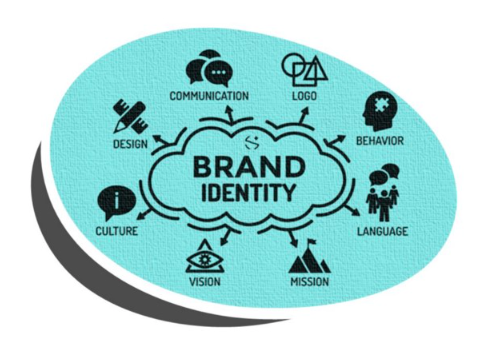
Brand identity is the deliberately designed mix of strategy, visuals, messaging, and behavior that a startup uses to signal who it is, what it stands for, and how it wants to be perceived across every touchpoint.[1][3][6]
In an innovation context, brand identity applies when a company is intentionally shaping how it shows up in the market—name, narrative, design language, voice, product experience, and even founder behavior—not just “making a logo.”[1][2][3][6][8] It doesn’t apply to generic corporate decor, ad campaigns, or one-off logos created without a clear underlying positioning and set of values.[1][2][9] Innovation consultants care because a clear, coherent identity is a practical tool for differentiation, faster customer understanding, easier hiring, smoother fundraising, and keeping product, marketing, and culture aligned as the company scales or pivots.[3][6][7][9] In volatile markets, a well-governed identity also makes it easier to evolve without losing the core meaning of the brand.[3][4][6]
Disambiguation
Primary sense — the innovation-consulting sense
Brand identity (primary sense): the intentional system of visual, verbal, and experiential elements that expresses a company’s positioning, personality, and values in a way that is consistent and recognizable across all touchpoints.[1][2][3][6][8][9]
- Scope and components. Brand identity includes the brand name, logo, color palette, typography, imagery, tone of voice, taglines, and other designed elements that “express what a brand stands for through distinct, recognizable elements that set it apart from competitors.”[3][1][2][4][8] It also covers verbal frameworks (messaging pillars, value proposition language) and experiential cues (onboarding flows, packaging, events) that create a consistent experience.[1][3][6][8]
- Startup and innovation usage. In early-stage and growth contexts, brand identity is used as a strategic tool for recognition and trust—“the complete expression of who you are as a brand, what you stand for, and how you communicate with the world.”[1][2][3] It helps a startup “tell its story and connect with its audience beyond just products or services,” which is critical when the product is still evolving or the category is new.[2][3][6]
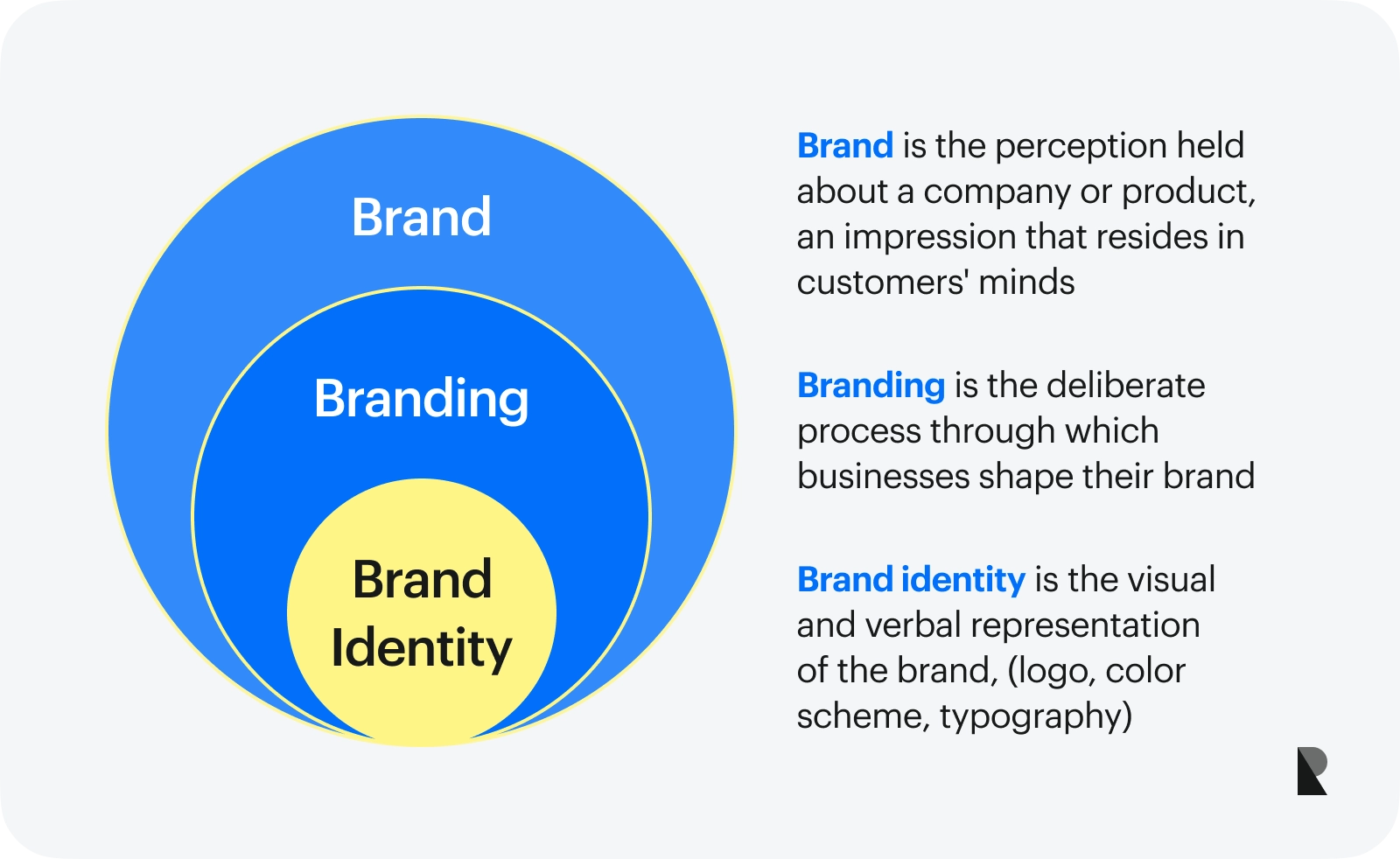
- What it is NOT: brand image and performance. Brand identity is how you define and express your brand (inside-out), whereas brand image is how audiences actually perceive it (outside-in).[10] Identity is “under your control,” while image emerges from customer experience, word-of-mouth, and market interpretation.[8][10] Metrics like NPS, CAC, or conversion rates are influenced by identity but are not part of the identity itself; they measure impact, not the identity system.[3][10]
- What it is NOT: generic visual identity. Visual identity refers specifically to the logo, colors, typography, and other graphic elements.[9] Brand identity is broader: it “encompasses visual elements plus strategic positioning, messaging, personality, values, and the complete system of associations and perceptions that define how your brand is recognized and remembered.”[9][1][2] A stylish logo without clear positioning, values, and messaging is a visual asset, not a full brand identity system.[1][2][9]
Other senses
- Also used in marketing and academic brand management to mean the set of brand elements created by a firm to identify and differentiate the brand, often in contrast to brand image (consumer perceptions) and brand equity (value of the brand as an asset); this sense is conceptually aligned with the primary one and provides much of the underlying theory.[3][5][10]
Etymology and Origin
- The phrase “brand identity” emerges from 20th‑century marketing and design practice as marketers and designers distinguished between the firm-controlled expression of a brand (identity) and market perception (image).[5][10] Academic and professional marketing bodies such as the American Marketing Association define brand identity as the “visual and symbolic elements that represent a brand,” contrasting it with positioning and image, indicating that identity originally focused on identifiers and meaning intent rather than perception.[5][3][10]
- In contemporary academic usage, Harvard Business School’s Jill Avery characterizes brand identity as capturing the “meaning intent of the firm,” emphasizing that it is rooted in the organization’s desired meaning and value proposition rather than purely in graphic design.[3] This framing helped move the term from brand design circles into broader strategy and innovation vocabulary, where identity is treated as a lever for product, culture, and go-to-market alignment.[3][7]
Adjacent Vocabulary
- Synonyms
- Brand system – often used by identity and product designers to stress that the identity is a reusable system (tokens, patterns, voice rules) rather than a static logo set; similar scope but more operational in design and product contexts.[6][8][9]
- Corporate identity – overlaps heavily but is used more in larger or non-startup organizations; tends to emphasize organization-level reputation and visual standards across subsidiaries, not just a single product brand.[5][7]
- Brand persona / personality – focuses on the human-like traits (e.g., “bold,” “empathetic”) the brand expresses; this is a component of brand identity rather than its full scope.[2][6][9]
- Visual identity – the purely visual subset of brand identity (logo, color, type, imagery); narrower, design-centric synonym.[4][8][9]
- Antonyms
- Brand incoherence – not a formal textbook term, but describes fragmented, inconsistent expression of a brand across channels and teams, the practical opposite of a coherent brand identity.[1][3][6]
- Generic brand / commodity branding – brands with little distinct identity beyond functional descriptors (e.g., “Cheap Cloud Storage”), the opposite of a differentiated, intentional identity.[2][3]
- Adjacent terms
Usage in Practice
- Harvard Business School’s Jill Avery: “Brand identity captures the meaning intent of the firm.”[3] She notes that a firm’s customer value proposition “should guide the creation of your brand identity” and be woven into “every visual and verbal element of your brand.”[3]
- A branding explainer aimed at innovators: “Brand identity is more than just a logo, it’s the complete expression of who you are as a brand, what you stand for, and how you communicate with the world.”[1] It emphasizes that identity “combines design, language, values, and behaviour into a consistent experience that builds trust and connection.”[1]
- A practical guide for small businesses and startups: “Brand identity is the collection of visual, verbal and experiential elements a company creates to convey the right image to its audience.”[8] It stresses that “it’s different from branding,” which is the ongoing process of building and managing that identity.[8]
- A marketing and strategy overview: “Brand Identity is the unique blend of visuals, values, and messaging that forms a brand's distinct personality and image.”[2] It frames identity as “like a brand’s personality… the visual and emotional package that makes a brand stand out in people's minds.”[2]
- A purpose-led branding resource: “Brand identity encompasses all visual, verbal, and experiential elements that shape how audiences perceive your organization—from your logo and color palette to your tone of voice and how you show up in the world.”[6] This highlights that behavior and experience are part of identity, not just design files.[6]
- A comparative guide in branding practice: “Brand identity encompasses visual elements plus strategic positioning, messaging, personality, values, and the complete system of associations and perceptions that define how your brand is recognized and remembered.”[9]
Common Misuses
- Equating brand identity with “just a logo” or surface design. Many teams say “we need a brand identity” when they really mean they need a logo or visual identity refresh. In reality, identity “goes beyond logos to encompass the overall perception and character of a brand,” including values, messaging, and personality.[1][2][4][9] The more accurate narrow term in these cases is visual identity.[4][8][9]
- Using “brand identity” when the underlying work is really positioning or strategy. Founders sometimes label a positioning or narrative workshop as “brand identity work,” even though the output is a value proposition or brand positioning statement (who it’s for, what it does, why it’s different), not a full expression system.[3][5][9] The better term here is brand positioning or brand strategy.[3][5]
- Confusing brand identity with brand image or reputation metrics. Teams may say “our brand identity is weak because our NPS dropped,” when they’re talking about brand image (market perception) or brand equity (value), not the identity system itself.[5][8][10] The more precise terms are brand image for perception and brand equity for the accumulated value of that perception.[5][10]
- Treating a one-off campaign concept as brand identity. A creative campaign tagline or visual theme is sometimes mis-labeled “our new brand identity” even when it is specific to a short-term campaign.[7][8] In those cases, the better term is campaign concept or creative platform, with brand identity as the longer-lived foundation that campaigns plug into.[3][7][8]
Sources
[1]: What is Meant by Brand Identity? Definition and Examples
[2]: Brand Identity : Meaning, Importance, Elements and Examples
[3]: What Is Brand Identity? Tips & Examples for Shaping Yours
[4]: What is brand identity? 5 key elements (with real examples) - Canva
[5]: Branding | American Marketing Association
[6]: Brand Identity: How a Clearly Defined Brand Identity Builds Trust
[7]: The Ultimate Guide to Branding: Building a Strong Identity
[8]: How to Build a Great Brand Identity | VistaPrint US
[9]: Visual Identity vs Brand Identity: What's the Difference? - Metabrand
[10]: An Honest Guide to Brand Identity vs. Brand Image - Directive