


Autonomous Vehicles
(2025-12-02T10:25.180Z)
Perplexity Query
(2025-12-02T10:25
.180Z)
Question:
Write a comprehensive one-page article about "Autonomous Vehicles".
Model: sonar-pro
Autonomous Vehicles: The Future of Transportation
Introduction
Autonomous vehicles (AVs), also known as self-driving cars, are vehicles equipped with advanced technology systems that can navigate and operate safely with little to no human intervention.
[iwo1aw]
These vehicles represent a transformative shift in transportation, leveraging a combination of sensors, artificial intelligence, and sophisticated software to perceive their environment and make real-time driving decisions. As the technology matures, autonomous vehicles promise to revolutionize mobility, safety, and urban transportation systems worldwide.

How Autonomous Vehicles Work
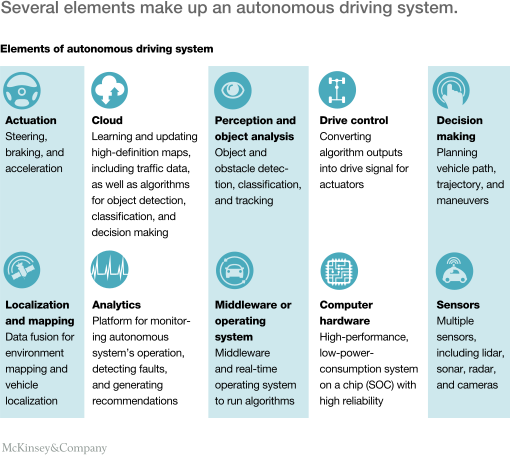
At their core, autonomous vehicles operate through a sophisticated integration of hardware and software components.
[ibj1fx]
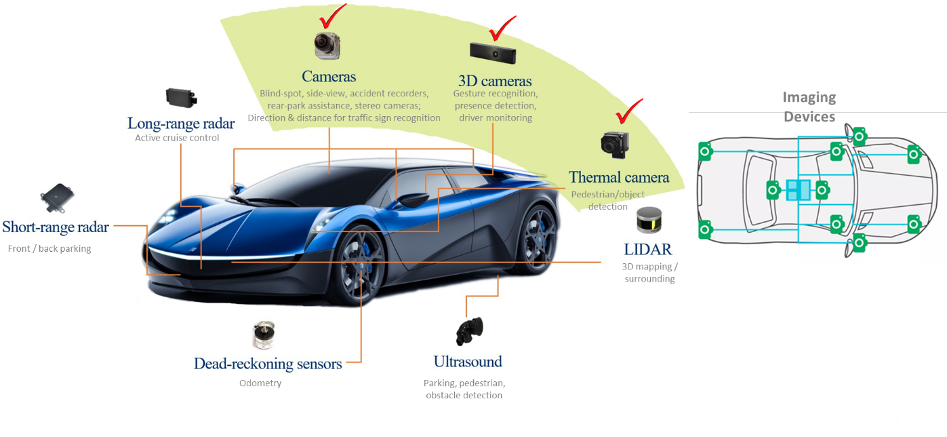
The systems rely on multiple sensor technologies including cameras, radar, and lidar to continuously monitor the vehicle's surroundings and create detailed three-dimensional maps of the environment.
[ibj1fx]
These sensors detect street infrastructure, other vehicles, pedestrians, traffic lights, and road signs in real time.
The gathered sensor data is processed by powerful onboard computer systems that make split-second decisions about steering, acceleration, braking, and speed adjustments.
[ibj1fx]
Machine learning and artificial intelligence form the foundation of these systems, enabling vehicles to learn from complex driving data and improve their algorithms continuously.
[ibj1fx]
Many autonomous vehicle platforms employ a three-computer framework that creates a continuous learning cycle: real-world driving data is collected and sent to data centers for refinement, the improved software is validated in simulation, and then updated onto vehicle computers for further testing.
[iwo1aw]
Connected vehicle technology further enhances autonomous systems by enabling communication with other vehicles and infrastructure through radio signals.
[ibj1fx]
This vehicle-to-vehicle and vehicle-to-infrastructure communication creates a more complete picture of road conditions, improving safety for drivers, pedestrians, and cyclists.
[ibj1fx]
Benefits and Applications
The potential benefits of autonomous vehicles are substantial and multifaceted.
[iwo1aw]
One of the most significant advantages is improved road safety—autonomous vehicles could dramatically reduce vehicle collisions by eliminating human error, which causes many accidents today.
[iwo1aw]
These systems are designed to follow traffic laws, monitor blind spots, and detect hazards faster than human drivers.
[iwo1aw]
Beyond safety, autonomous vehicles offer expanded mobility options for people unable to drive, such as elderly individuals or those with disabilities.
[iwo1aw]
They can navigate traffic jams and complex urban environments more efficiently, potentially reducing traffic congestion and lowering emissions as the transportation industry transitions toward electric vehicles.
[iwo1aw]
Current applications include driverless taxis operating within defined geographic areas and delivery services, with more widespread deployment anticipated in the coming years.
Levels of Automation
The Society of Automotive Engineers (SAE) has established six levels of vehicle automation to clarify capabilities and limitations.
[iwo1aw]
[ibj1fx]
Currently available consumer vehicles operate at Level 3, offering conditional automation where the vehicle can drive independently under certain conditions—such as highway traffic jams—but may request driver intervention.
[4arxbx]
Level 4 vehicles, including some driverless taxis, can operate without requiring a driver ready to take over, though they function within defined geographic boundaries or operational design domains.
[ns0a3j]
[4arxbx]
Level 5 represents fully autonomous vehicles capable of operating under all conditions a human driver could navigate, with no steering wheel or pedals required.
[ns0a3j]
Current State and Future Outlook
Today, most vehicles on the market use the term "automated" rather than "autonomous," as they still require human driver intervention and monitoring.
[ibj1fx]
Level 4 autonomous vehicles are currently being tested and deployed in specific environments, with companies developing driverless taxi services and autonomous delivery systems.
[4arxbx]
Regulatory bodies like the National Highway Traffic Safety Administration (NHTSA) and SAE have established rigorous safety standards, including requirements for testing, reporting, and safety assessments.
[iwo1aw]
The future of autonomous vehicles depends on ongoing collaboration between manufacturers, regulators, and the public to address remaining challenges such as cybersecurity, data privacy, and standardized safety protocols.
[iwo1aw]
As technology advances and safety validation continues, full Level 5 autonomy could eventually enable vehicles to operate safely on public roads without human intervention, fundamentally transforming transportation systems and urban planning.
Conclusion
Autonomous vehicles represent one of the most significant technological advances in modern transportation, promising safer roads, reduced congestion, and expanded mobility options for all. As the technology matures from conditional automation toward full autonomy, autonomous vehicles will reshape how societies move people and goods, creating a safer and more efficient transportation future.
Citations
[iwo1aw] 2025, Dec 01. Autonomous Vehicles (AVs) - Self-Driving Cars - NVIDIA. Published: 2025-10-28 | Updated: 2025-12-01
[ibj1fx] 2025, Nov 15. Autonomous vehicle | Meaning, Technology, Levels, & Facts. Published: 2025-10-15 | Updated: 2025-11-15
[3]: 2025, Nov 26. Autonomous Vehicles Terms and Definitions - California DMV. Published: 2023-05-08 | Updated: 2025-11-26
[ns0a3j] 2025, Nov 24. What Is an Autonomous Vehicle? - The AV Industry. Published: 2025-06-16 | Updated: 2025-11-24
[4arxbx] 2025, Dec 02. What is a self-driving car? - McKinsey. Published: 2025-03-05 | Updated: 2025-12-02
[7]: 2025, Dec 02. Autonomous Vehicles Factsheet - Center for Sustainable Systems. Published: 2020-04-22 | Updated: 2025-12-02
[8]: 2025, Dec 01. Autonomous Vehicles - The Nexus - Urbanism Next. Published: 2022-10-26 | Updated: 2025-12-01