Write a comprehensive one-page article about "AI Travel Agents".
Model: sonar-pro
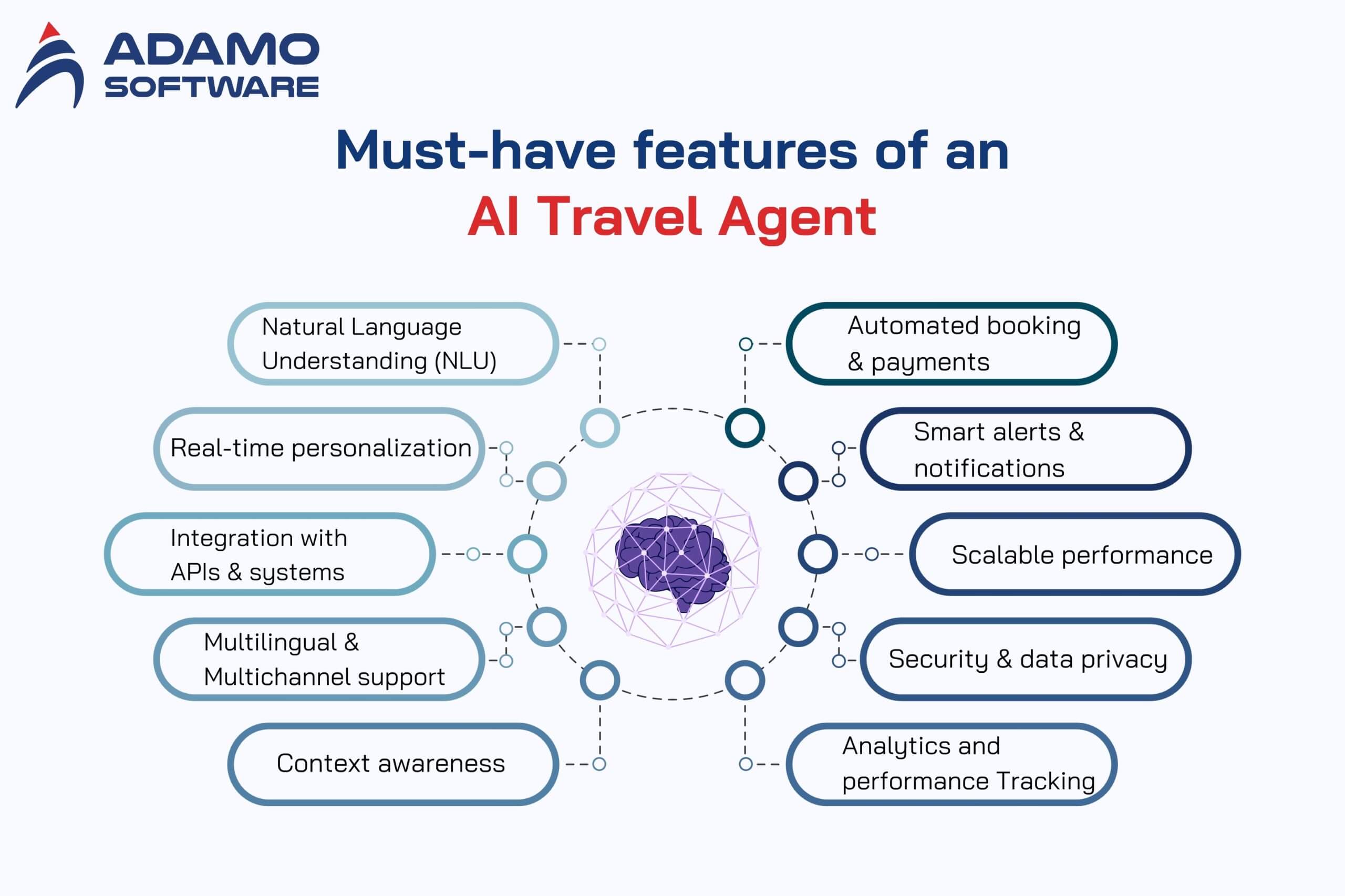
Artificial Intelligence (AI) Travel Agents are intelligent digital systems that automate and optimize travel planning, bookings, and support by leveraging real-time data, machine learning algorithms, and natural language processing. Their emergence is reshaping how travelers and travel businesses interact, providing fast, personalized services that streamline the complexities of global travel logistics.
[1ku1ar]
[lplkc5]
[9ux227]
As the demand for seamless, stress-free travel grows, AI travel agents are becoming increasingly important for both leisure and business travelers.
What Are AI Travel Agents and How Do They Work?
AI travel agents are software-driven virtual assistants capable of understanding traveler preferences, searching vast databases of flights, hotels, rentals, and experiences, and autonomously arranging bookings through natural language interfaces.
[1ku1ar]
[lplkc5]
[9ux227]
[lqvem3]
Unlike traditional booking platforms, AI agents can chat or speak with users, offering recommendations based on individual priorities such as budget, timing, loyalty memberships, or specific interests.
[1ku1ar]
[lplkc5]
[jqka43]
For example, a traveler can simply request, “Book a pet-friendly, ocean-view hotel in Barcelona for next weekend,” and the agent instantly scans available options, analyzes feedback, checks current rates, and reserves the best fit—all in one conversation.
[1ku1ar]
[lqvem3]
Practical Examples and Use Cases
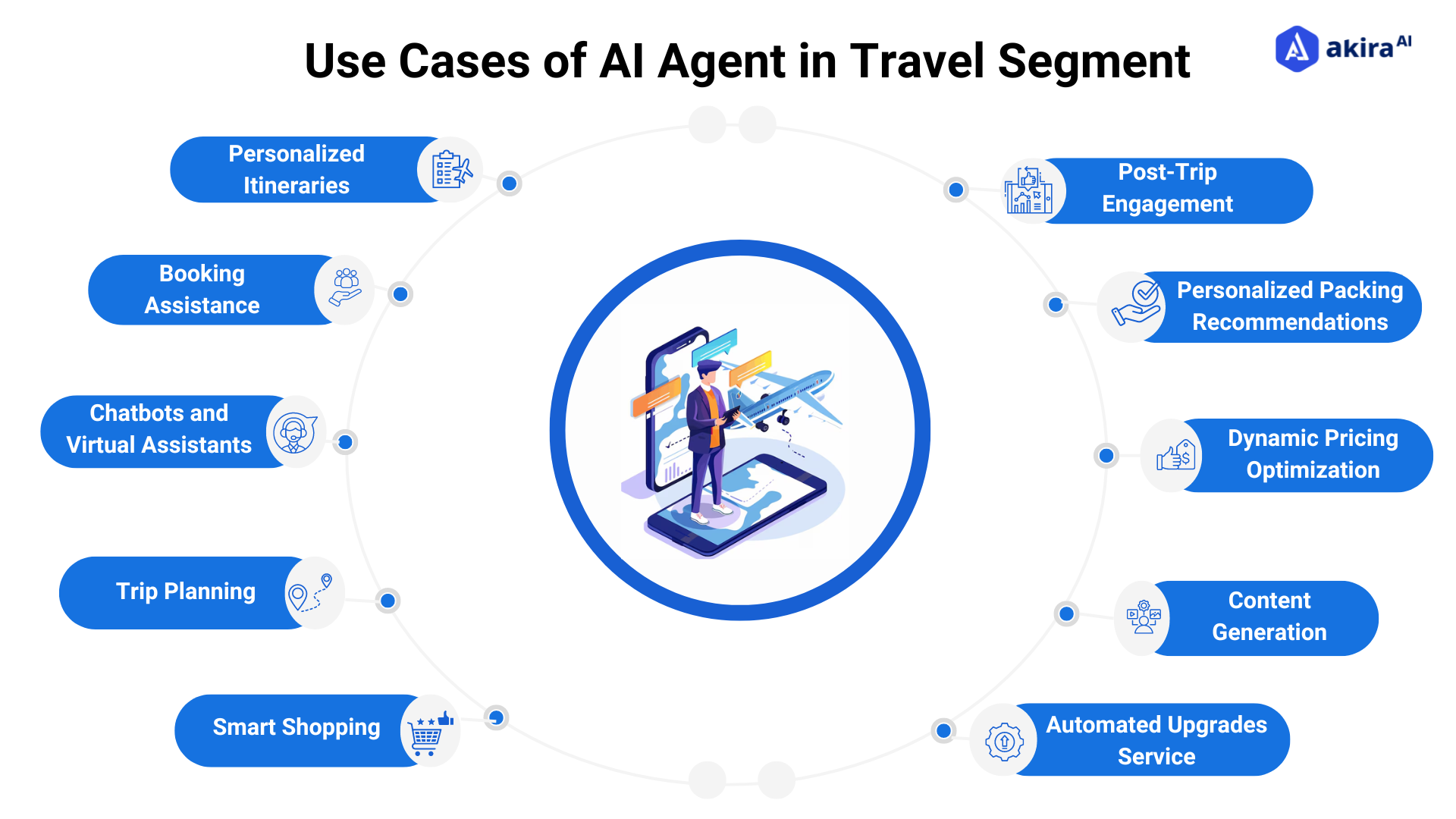
Personalized itinerary creation: AI travel agents can curate highly customized trip plans, suggesting destinations, activities, and accommodations based on the user's past travel history and stated preferences—down to niche requirements like gluten-free dining or museum tours.
[1ku1ar]
[jqka43]
[lqvem3]
Automated booking and rebooking: They handle all bookings for flights, hotels, and even restaurants. If disruptions like flight cancellations occur, the AI will automatically search for and book alternative arrangements, minimizing traveler stress and delays.
[1ku1ar]
[9ux227]
[jqka43]
Business travel coordination: In the corporate sector, AI agents enforce company travel policies, apply negotiated discounts, and help finance teams monitor and optimize travel spend by integrating with internal expense systems.
[9ux227]
[jqka43]
24/7 support: Unlike human agents, AI assistants provide instant assistance around the clock for itinerary changes, emergency bookings, and real-time travel updates.
[1ku1ar]
[9ux227]
Benefits and Applications
Efficiency: AI agents reduce booking times by more than half, instantly analyzing thousands of options to deliver the best choices without manual searching.
[1ku1ar]
[9ux227]
Hyper-personalization: By learning from user data and behavior, these agents offer recommendations that closely align with each traveler’s needs, making trips more enjoyable and tailored.
[1ku1ar]
[jqka43]
[lqvem3]
Cost savings: AI-driven insights identify deals, prevent duplicate bookings, and suggest alternatives that fit within personal or corporate budgets.
[9ux227]
[jqka43]
Improved support: Proactive response to disruptions, documentation assistance (like visa reminders), and predictive analytics (such as price forecasting) further enhance the traveler experience.
[1ku1ar]
[jqka43]
Challenges and Considerations
Despite their promise, AI travel agents face hurdles:
Data privacy concerns: Handling sensitive travel and payment information necessitates robust security and transparency.
[1ku1ar]
Dependence on data quality: Inaccuracies or outdated information in source data can lead to suboptimal recommendations or disrupted plans.
[lplkc5]
[jqka43]
User adoption: Some travelers still prefer human agents for complex itineraries or personalized advice, especially in exceptional situations.
[1ku1ar]
[vo1005]
Current State and Trends
AI travel agents have rapidly moved from experimental technology to widespread adoption in both consumer and enterprise travel markets. Major travel companies and online booking platforms are integrating AI-powered assistants—examples include Expedia’s ChatGPT integration and platforms like Navan, Fetch.ai, and Amelia, which specialize in business travel automation.
[1ku1ar]
[9ux227]
[jqka43]
[lqvem3]
Recent advances in agentic AI allow systems to operate across interconnected platforms, taking actions autonomously and coordinating travel across airlines, hotels, and partners for a seamless experience.
[lplkc5]
[7gfau0]
The industry is also witnessing increased use of AI for real-time disruption management (automatic rebooking during delays), dynamic pricing predictions, and intelligent upselling of personalized add-ons.
[1ku1ar]
[lplkc5]
[jqka43]
Enhanced natural language processing is making interactions even more conversational, reducing the need for structured forms or multiple platforms.
[lqvem3]
Future Outlook
Looking ahead, AI travel agents are expected to become fully autonomous, capable of managing entire travel experiences from recommendations and bookings to on-the-ground problem-solving with minimal user intervention.
[lqvem3]
[7gfau0]
Integration with emerging technologies like blockchain for secure payments, Internet of Things (IoT) sensors for personalized in-trip services, and increasingly sophisticated personalization algorithms will likely redefine the travel industry’s landscape. As AI systems continue to learn and evolve, their impact on efficiency, cost, and traveler satisfaction is poised to grow exponentially.
[1ku1ar]
[lqvem3]
[7gfau0]
In summary, AI travel agents are transforming how people and companies organize, book, and enjoy travel, offering unmatched efficiency, personalization, and proactive support. As technology advances, these digital agents are set to become indispensable travel companions for the digital age.