


AI Follow-Up Workflows
(2025-11-26T15:10.530Z)
Perplexity Query
(2025-11-26T15:10
.530Z)
Question:
Write a comprehensive one-page article about "AI Follow-Up Workflows (from Meetings, Emails)".
Model: sonar-pro
AI Follow-Up Workflows (from Meetings, Emails)
AI follow-up workflows refer to automated processes powered by artificial intelligence that streamline and optimize the way businesses respond to meetings, emails, and other customer interactions. These workflows ensure timely, personalized, and efficient communication, helping organizations nurture leads, improve customer satisfaction, and boost productivity. In today’s fast-paced digital environment, where instant responses and tailored experiences are expected, AI follow-up workflows have become essential for staying competitive.
Main Content
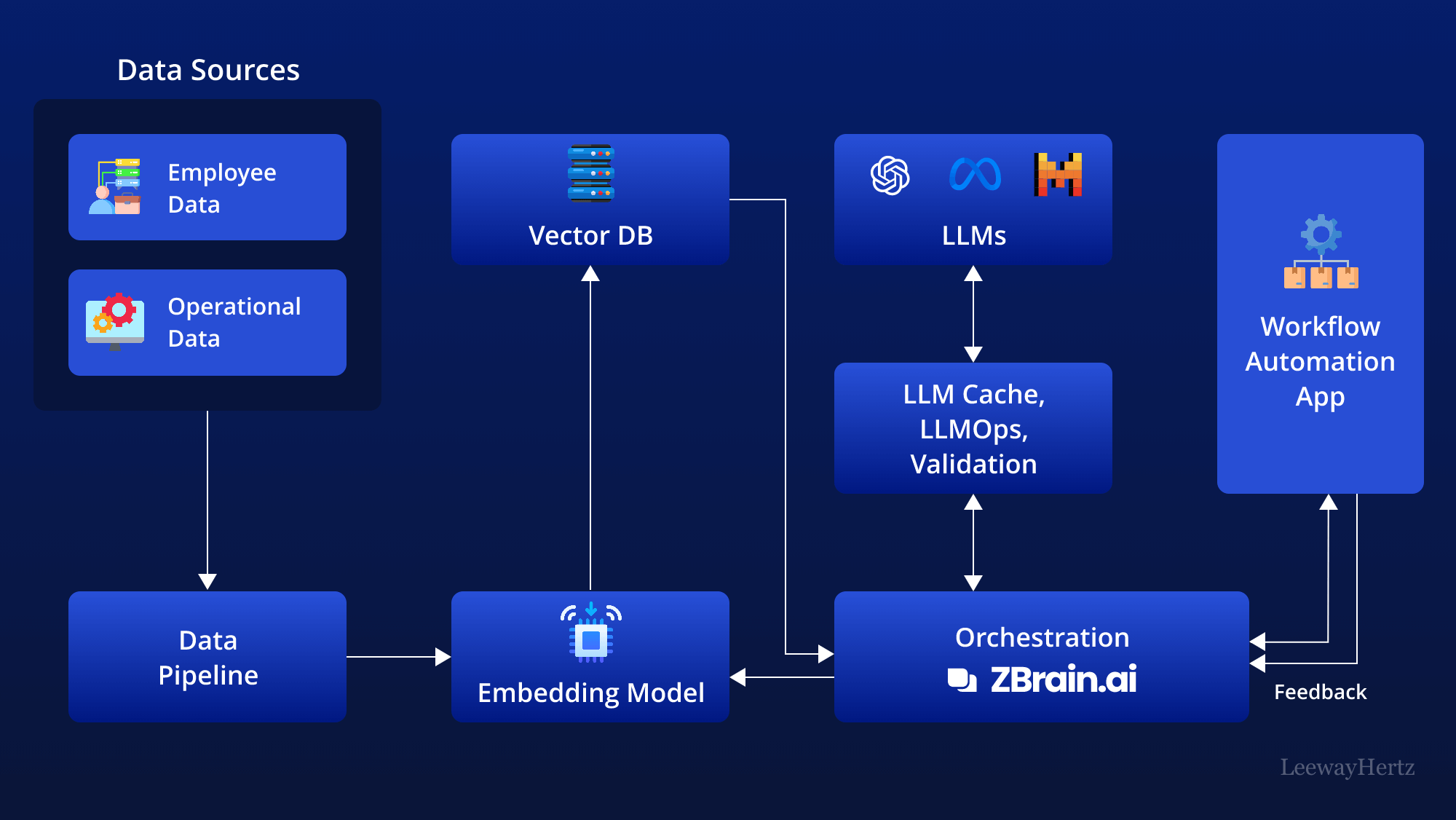
AI follow-up workflows leverage machine learning and automation to analyze communication data, identify action items, and trigger appropriate follow-up actions. For example, after a sales meeting, an AI system can automatically summarize key points, draft personalized follow-up emails, schedule reminders, and even update CRM records. Similarly, for incoming emails, AI can categorize messages, prioritize urgent requests, and send automated responses or escalate issues to the right team members.
A practical use case is in sales and customer service. Imagine a company receives hundreds of inquiries daily. An AI-powered workflow can instantly acknowledge each inquiry, send a tailored response based on the customer’s history, and schedule a follow-up if no reply is received. In legal or consulting firms, AI can review meeting transcripts, highlight action items, and draft the first version of a follow-up email, saving hours of manual work.
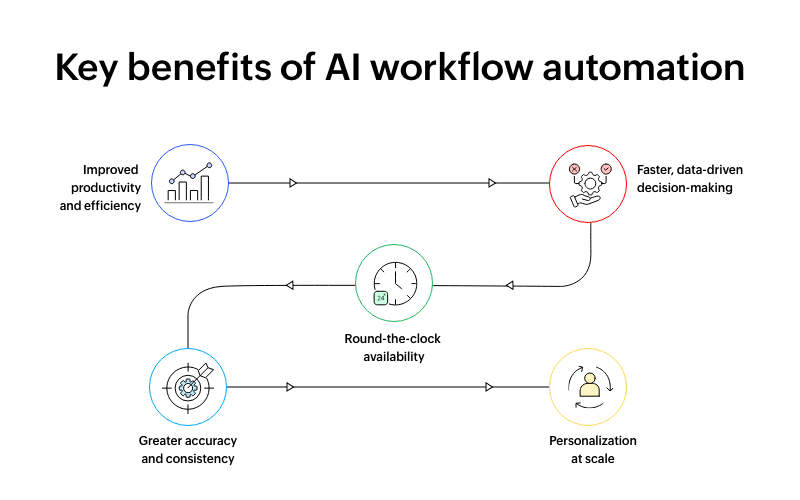
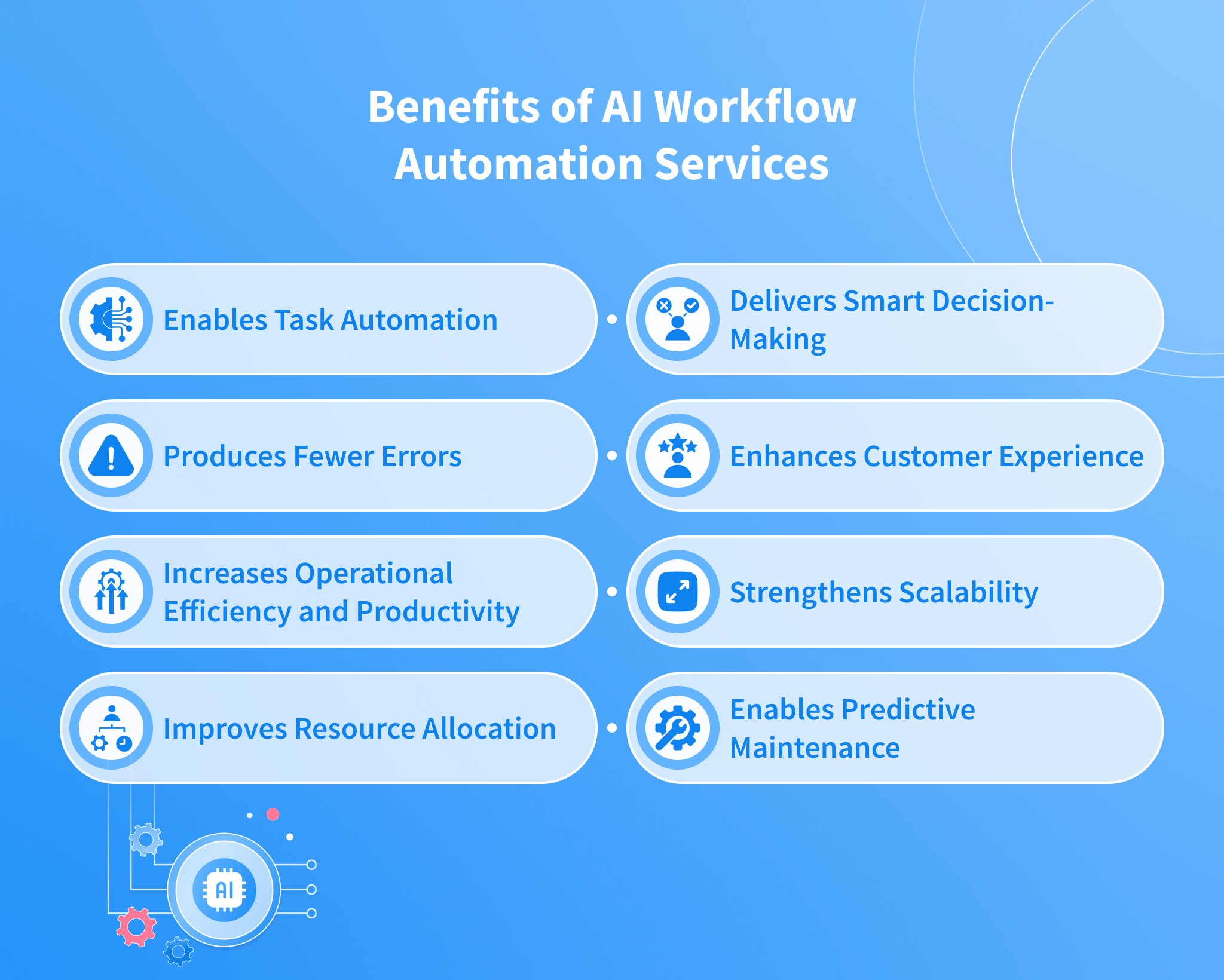
The benefits of AI follow-up workflows are significant. They improve response times—businesses using AI see a 25% higher conversion rate and can respond within minutes instead of hours. Personalization is enhanced, as AI tailors messages to individual preferences and behaviors, leading to better engagement. Operational efficiency also increases, with some companies reporting up to a 75% jump in conversions and a 60% reduction in costs. Additionally, AI workflows are scalable, allowing businesses to handle growing volumes of communication without proportional increases in staff.
However, there are challenges to consider. Ensuring data privacy and compliance is crucial, especially when handling sensitive customer information. There’s also the risk of over-automation, where communication feels impersonal. The best approach combines AI automation with human oversight, using AI for routine tasks while reserving complex decisions for people.
Current State and Trends
AI follow-up workflows are rapidly being adopted across industries, from healthcare and finance to retail and professional services. Leading platforms like Lead Hero AI, Datagrid, and Wrike offer robust solutions that integrate with popular CRM systems and communication tools. These platforms use advanced techniques such as retrieval augmented generation to create highly relevant, context-aware responses.
Recent developments include multi channel coordination, where AI synchronizes messages across email, SMS, chat, and social media, ensuring consistent and timely communication. Integration with project management tools like Asana and Trello further enhances workflow efficiency. Companies are also leveraging AI for real-time analytics, continuously optimizing follow-up strategies based on engagement data.
Future Outlook
The future of AI follow-up workflows is promising. We can expect even more sophisticated personalization, with AI systems learning from every interaction to refine their strategies. Integration with emerging technologies like voice assistants and augmented reality could further streamline communication. As AI becomes more accessible, even small businesses will be able to implement advanced follow-up workflows, leveling the playing field and driving innovation across the board.
Conclusion
AI follow-up workflows are transforming how businesses manage meetings and emails, delivering faster, more personalized, and efficient communication. By automating routine tasks and enhancing human capabilities, these workflows are not just a technological advancement—they are a strategic necessity for organizations aiming to thrive in the digital age.
Citations
[1]: 2025, Nov 26. How AI Improves Time-Sensitive Follow-Ups - - Lead Hero AI. Published: 2025-07-23 | Updated: 2025-11-26
[2]: 2025, Nov 26. Mastering Email Follow-Ups: AI Automation Strategies That Work. Published: 2025-11-13 | Updated: 2025-11-26
[3]: 2025, Nov 25. AI Workflow Automation: Best Practices, Use Cases and Benefits. Published: 2025-02-12 | Updated: 2025-11-25
[4]: 2025, Nov 15. Understanding AI Workflows: The Basics Explained - Aline. Published: 2025-10-29 | Updated: 2025-11-15
[5]: 2025, Nov 26. AI Workflow Automation: What is it and How Does It Work?. Published: 2025-01-16 | Updated: 2025-11-26
[6]: 2025, Nov 26. AI Workflows: A Comprehensive Guide - Slack. Published: 2025-01-01 | Updated: 2025-11-26
[7]: 2025, Nov 17. 9 Benefits of Workflow Automation That Prove It's Worth It. Published: 2025-10-10 | Updated: 2025-11-17
[8]: 2025, Nov 26. How Your Business Can Benefit From AI Workflow Automation. Published: 2024-01-01 | Updated: 2025-11-26
[9]: 2025, Nov 24. Understanding AI Agentic Workflows | Atlassian. Published: 2025-05-23 | Updated: 2025-11-24