Write a comprehensive one-page article about "Virtual Doctors or Virtual Clinicians".
Response from sonar-pro:
Virtual Doctors or Virtual Clinicians: Transforming the Future of Healthcare
Virtual doctors, also known as Virtual Clinicians , are healthcare professionals who provide medical advice, diagnosis, and treatment remotely using digital communication technologies. These services are reshaping the healthcare landscape, increasing access, efficiency, and convenience for both patients and providers, particularly in a world where timely access to care is critical.
[0ehrxa]
[lf87ot]
What Are Virtual Doctors or Virtual Clinicians?
Virtual clinicians deliver healthcare through technologies such as video conferencing, secure messaging, patient portals, and artificial intelligence-driven applications.
[j9u5f0]
[0ehrxa]
The approach can be synchronous—where patients and providers interact in real time via video or phone—or asynchronous, allowing for non-urgent communication, such as a doctor responding to a patient question submitted through an app or portal later in the day.
[j9u5f0]
[mqks2q]
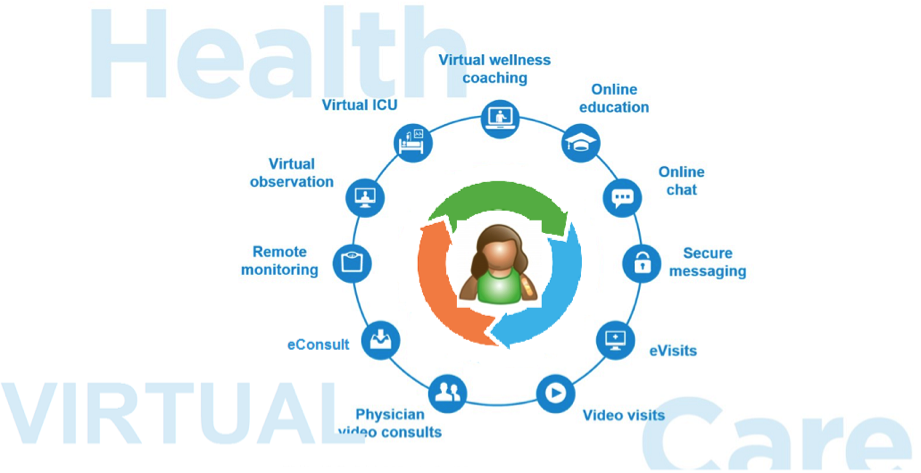
Virtual care encompasses telemedicine, remote patient monitoring, and a range of digital health services, blurring the lines between traditional, in-person visits and modern, technology-enabled care.
[0ehrxa]
[lf87ot]
Practical Examples and Use Cases
Real-world applications of virtual clinicians are diverse and rapidly expanding.
Virtual Visits: Patients consult with physicians or specialists via video or phone for acute or chronic conditions—ranging from a primary care visit for flu symptoms to a specialist review of a skin lesion using uploaded photos.
[mqks2q]
Remote Patient Monitoring : Individuals with chronic illnesses (such as diabetes or heart disease) use wearable devices that continuously transmit data to virtual nurses or doctors, who monitor trends and intervene if problems arise.
[0ehrxa]
[mqks2q]
Telehealth Nurses: Registered nurses monitor patient vitals, oversee chronic conditions, educate patients, and identify warning signs—all online or via app-based platforms.
[0ehrxa]
AI Powered Clinicians: Some platforms use artificial intelligence to provide preliminary triage advice, symptom checking, and even digital diagnostics before escalating to a human provider as needed.
[lf87ot]
These use cases offer significant benefits, particularly for people in rural or underserved areas where access to traditional healthcare may be limited.
[w0qh57]
They also help during public health emergencies like the COVID-19 pandemic, when minimizing in-person contact became essential.
[0ehrxa]
Benefits and Potential Applications
The main benefits of virtual clinicians include improved access—patients can reach specialists regardless of geography, reduced wait times, cost savings, and minimized infection risk from in-person visits.
[w0qh57]
Continuous monitoring and rapid feedback encourage proactive management of chronic conditions.
[mqks2q]
Technology-enabled solutions also support physician-to-physician consultations, patient education, and personalized medicine through data-driven insights and algorithm-enabled diagnostics.
[mqks2q]
However, challenges remain. These include ensuring privacy and security of health information, bridging the digital divide for patients without access to technology, and addressing reimbursement or regulatory complexities.
[j9u5f0]
[lf87ot]
Additionally, not all medical situations are suited for remote care, and clear protocols are necessary for escalation to hands-on treatment when needed.
Current State and Trends
Adoption of virtual clinician services has surged, especially following the global pandemic, with many health systems integrating virtual platforms as a staple of care delivery.
[0ehrxa]
[mqks2q]
Major healthcare providers and startups alike—such as Teladoc, Amwell, and Babylon Health—offer comprehensive virtual doctor services.
[mqks2q]
Technologies such as advanced video conferencing, wearable sensors, remote monitoring devices, and artificial intelligence are continually evolving, making virtual consultations more seamless, accurate, and patient-centered.
[w0qh57]
[lf87ot]
Recent developments include the integration of 3D imaging for remote surgeries, AI-driven disease surveillance, and platforms that personalize care recommendations using real-time data from wearable health trackers.
[w0qh57]
[mqks2q]
Regulatory frameworks are gradually adapting, making it easier to provide cross-state or international virtual medical services.
[lf87ot]
Future Outlook
Looking ahead, virtual clinicians are likely to become an essential part of standard healthcare delivery. Expect greater blending of artificial intelligence with human expertise, expanded use of immersive technologies like virtual reality, and deeper integration of remote monitoring tools. As these innovations mature, healthcare could become more proactive, data-driven, and equitable, ensuring even remote or vulnerable populations have timely access to expertise.
[w0qh57]
[lf87ot]
Virtual clinicians are redefining how healthcare is delivered by making care more immediate, personal, and accessible. With ongoing technological progress and broader adoption, the virtual doctor is poised to become as vital as the traditional one in shaping the future of medicine.