


Net Zero Targets
Response from sonar-pro :
What Are Net Zero Targets?
-
- Rapidly halve emissions by 2030 (near-term target)
- Cut at least 90% of emissions by 2050 (long-term target)
- Use carbon removal (not offsets) for any remaining residual emissions. [v1v2id]
-
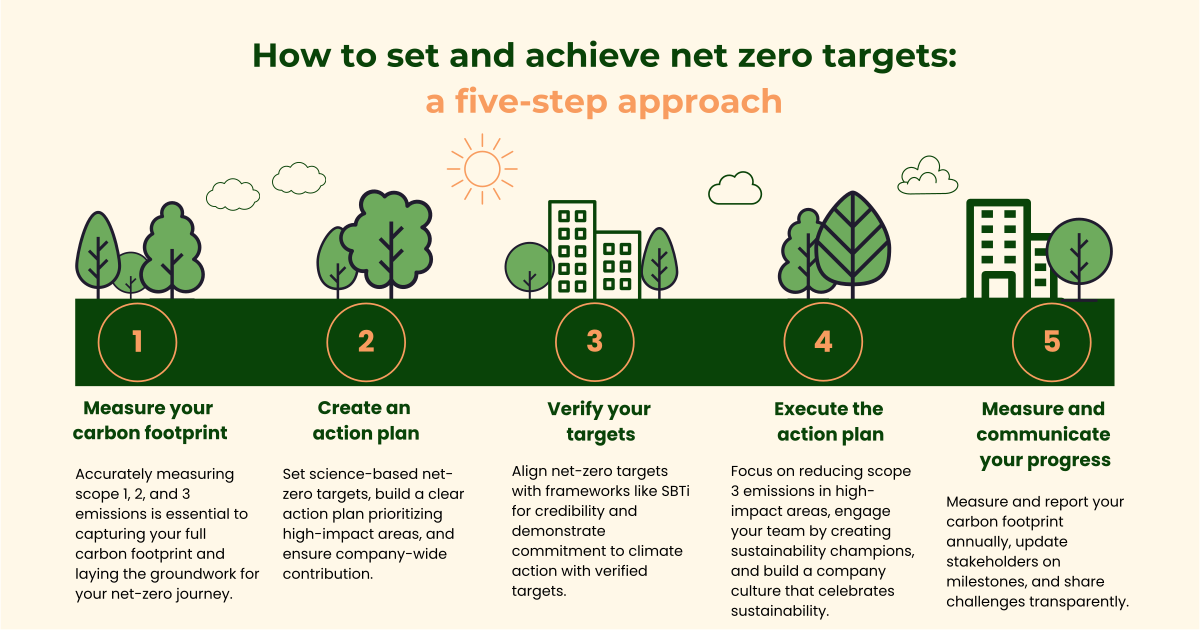 Depict a flowchart showing emissions reduction, residual emissions, and removal mechanisms balancing to achieve net zero by a target year.
Examples of Net Zero Targets Working
- Countries: The United Kingdom became one of the first major economies to pass a legally binding net zero target for 2050 and reported a 48% reduction in territorial emissions from 1990 to 2020, attributed to strong policy measures covering energy and transport. [rdyfq8]
- Companies: Many large global companies (e.g., Microsoft, Ørsted) have set rigorous net zero targets according to the SBTi, achieving drastic cuts in their operational and supply chain emissions over recent years. [v1v2id] For example, Ørsted, once a coal-heavy power producer, now generates 90% of its energy from renewables and is on track for net zero operations by 2025. [v1v2id]
- Practical Actions: Electrification of fleets, investment in renewables, and reforestation programs are examples of implemented actions supporting net zero pathways. [73rocp]
 Visualize a corporate roadmap or a country’s reduction pathway—showing declining emissions over time due to major interventions.
Are Net Zero Targets Real or Greenwashing?
- Authenticity: The credibility of net zero targets depends on their ambition, comprehensiveness, reliance on actual emissions reductions versus offsets, and transparent reporting. [rdyfq8] [9lcnxz] Targets that:
- Cover all sectors and all greenhouse gases,
- Prioritize direct emissions cuts,
- Legally bind implementation and include interim progress milestones,
-
- Greenwashing Risks: Some companies and governments set vague or delayed targets , rely heavily on cheap international carbon offsets instead of actual reductions, or exclude major emissions sources (like supply chains or international activities). [9lcnxz] [rdyfq8] These "soft" targets are often criticized as greenwashing—claiming climate leadership without fundamental change.
- Independent Verification: Best practices involve third-party verification (e.g., through the SBTi ) and regular progress tracking to avoid greenwashing. [v1v2id]
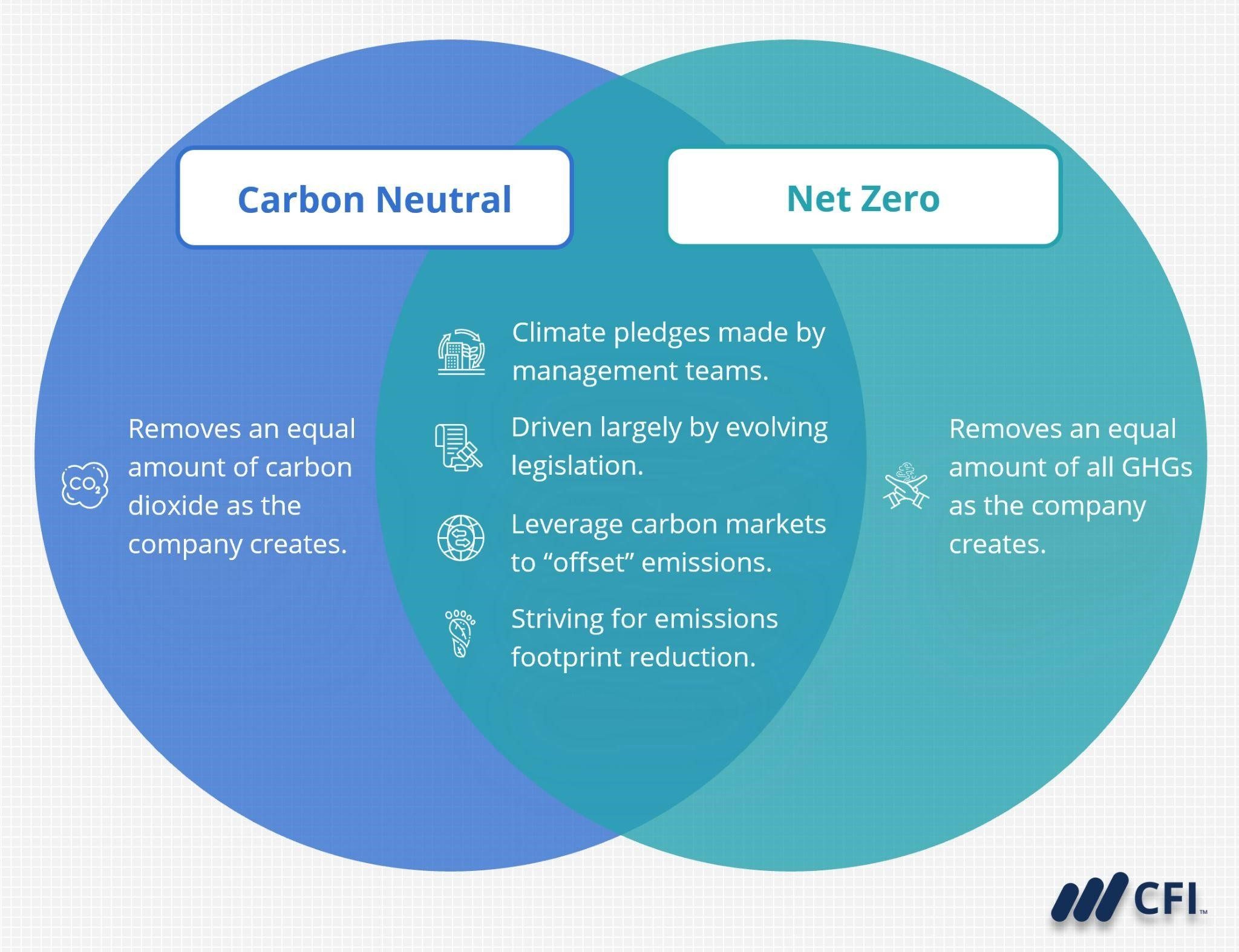
 Illustrate the difference between genuine net zero targets (broad coverage, deep cuts, minimal offsets) and greenwashing (narrow coverage, heavy offsets reliance, weak progress).
Citations
[rdyfq8] 2025, Mar 18. Net-zero targets: From target-setting to achievement - PlanA.Earth . Published: 2025-03-07 | Updated: 2025-03-18
[v1v2id] 2025, Jun 16. The Corporate Net-Zero Standard - Science Based Targets Initiative . Published: 2025-06-12 | Updated: 2025-06-16
[9lcnxz] 2025, Aug 15. What does net zero really mean? - ClimatePartner . Published: 2024-03-21 | Updated: 2025-08-15
[t9lvrf] 2025, Aug 07. What is Net Zero? . Published: 2025-08-06 | Updated: 2025-08-07
[73rocp] 2025, Aug 15. What is Net Zero and how to achieve zero emissions target? - Enel X . Updated: 2025-08-15