


Nigerian Tribes & Water Disputes
Response from sonar-pro :
Tribes in Water Resource Conflict
- Religious Identity and Tribal Conflicts in Nigeria can sometimes magnify these disputes, with Christian and Muslim groups each finding themselves in conflict—though these alignments often overlap with ethnic identities. [9opz9b]
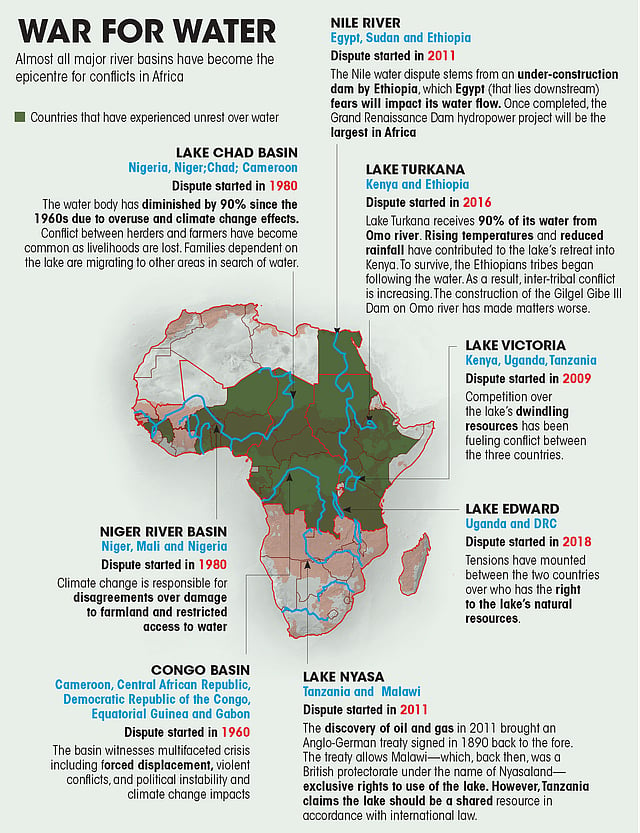
- Central and Northwestern Nigeria : Fulani herder migration southwards due to desertification has sparked conflict with agrarian populations, primarily of Hausa, Tiv, and Berom ethnicity.
-

- Example: A map showing water stress hotspots in northern Nigeria, annotating the main ethnic groups affected.
-
-
- Example: Photograph or illustration of Fulani herders and Hausa farmers disputing river access, with explanatory legend about the groups involved.
-
-

- Example: Graph or infographic on Lake Chad water level changes over time, with icons for livelihood shifts among Kanuri, Buduma, and Fulani communities.
-
- The number of tribes is not fixed ; rather, conflicts often center on the larger groups but affect many smaller communities . Estimates suggest dozens of ethnic groups are directly or indirectly affected , but the most acute and documented hostility is between Fulani herders and Hausa/Kanuri farmers. [9opz9b] [3nyw0t] [f3tzqf]
- The crisis is ongoing and evolving , with population displacement causing new competition for water in receiving areas. [3nyw0t]
Response from sonar-pro :
- Desertification and population growth in northern Nigeria have reduced available arable land and water sources, forcing Fulani herders to migrate southward in search of pasture. This brings them into direct competition—and frequent conflict—with Hausa, Kanuri, and other farming communities over limited water points and grazing areas. [4cp7o6] [tteq5w]
- As water resources dwindle, incidents such as cattle grazing on crops, trampling, and contamination of community water sources often ignite violence. [dtj1n9] text
Diagram: North-south migration routes of Fulani herders, overlapping with traditional Hausa/Kanuri farmlands and water sources.
- Military operations : Nigerian authorities have sometimes resorted to military campaigns to control violence, such as "Operation Accord" in 2016, targeting violent herdsmen and aiming to restore order. [62cpw2] However, these efforts are often criticized as reactive and insufficient since they rarely address underlying resource and governance issues.
- Grazing reserves policy : Policies have aimed at demarcating “grazing reserves” or cattle routes (transhumance corridors) to reduce contact—and therefore conflict—between herders and farmers. Many such reserves have been encroached on or are no longer functional due to population growth and shifting land use, limiting the success of this approach. [dtj1n9] [62cpw2]
- Local government interventions : In cities and rural areas, determining indigene status and managing land rights is a central political task, but is fraught with contestation and sometimes politicized, further fueling ethnic rivalry. [4cp7o6]
- Efforts at negotiation and dialogue exist, but many affected communities express distrust in security services and official mediation, often turning instead to vigilante justice or self-defense groups. [62cpw2] [dtj1n9]
 text
Illustration: Community meeting between Hausa farmers and Fulani herders, with local government representatives and security officials mediating land/water disputes.
- There is limited direct evidence in the given sources of large-scale technological or water restoration initiatives specifically alleviating Hausa-Kanuri-Fulani water conflicts.
- Community-level interventions : Some areas have engaged in local water management efforts—such as digging boreholes, constructing small dams, or working with NGOs on water conservation—to increase water access and reduce scarcity-driven tension. These projects are typically sporadic and not yet scaled up to meaningfully alter the larger pattern of conflict.
- Policy proposals (not yet fully implemented) sometimes recommend investing in regional climate adaptation , modern irrigation, and community-based water user associations as promising paths forward.
 text
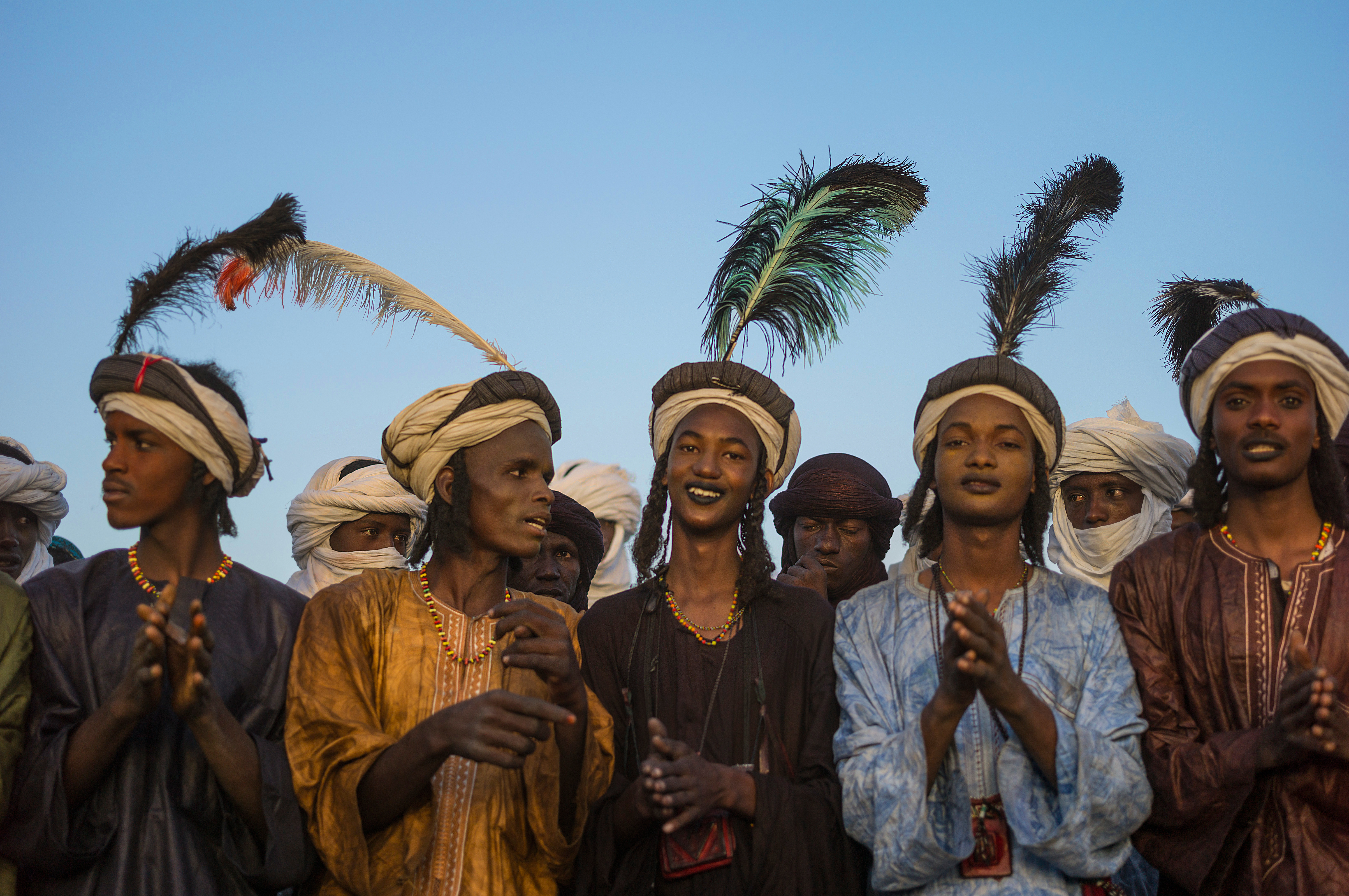
Photo: Newly drilled borehole or small dam in a northern Nigerian rural community, with Hausa, Kanuri, and Fulani residents gathered to access clean water.
- Climate change , population pressure, and historical-political rivalry drive Hausa-Kanuri-Fulani water conflicts in northern Nigeria.
- Current policy and military interventions have mitigated symptoms but have not resolved core issues of access, trust, and land/water management.
Citations
[tteq5w] 2025, Jun 10. Water resources in Mali's Inner Niger Delta . Updated: 2025-06-10
[9opz9b] 2025, Jul 11. Exploring resilience strategies in the Lake Chad Basin ... . Published: 2025-02-17 | Updated: 2025-07-11
[b6n1en] 2025, May 18. Averting Water Crisis Through Sustainable Solutions . Published: 2025-03-20 | Updated: 2025-05-18
[3nyw0t] 2025, Jun 05. Integrating Conflict Sensitivity and Peacebuilding Into ... . Updated: 2025-06-05
[f3tzqf] 2025, Apr 05. Paradiplomacy and the Governors' Forum . Updated: 2025-04-05
[tteq5w] 2025, Jun 28. Herder–farmer conflicts in Nigeria - Wikipedia . Published: 2017-08-20 | Updated: 2025-06-28
[dtj1n9] 2025, Jul 20. Alleged Connection between Boko Haram and Nigeria's Fulani ... . Published: 2014-05-16 | Updated: 2025-07-20
[62cpw2] 2025, Jun 16. The Fulani Crisis: Communal Violence and Radicalization in the Sahel . Published: 2017-02-01 | Updated: 2025-06-16
[4cp7o6] 2025, Aug 12. Ethnicity, politics, land, religion and deadly clashes in Jos, Nigeria . Updated: 2025-08-12
[wgmig3] 2025, Jun 24. History - Embassy of Nigeria, Rome, Italy . Published: 2022-03-11 | Updated: 2025-06-24